Top 10 Benefits of Trunnion Ball Valves You Should Know?
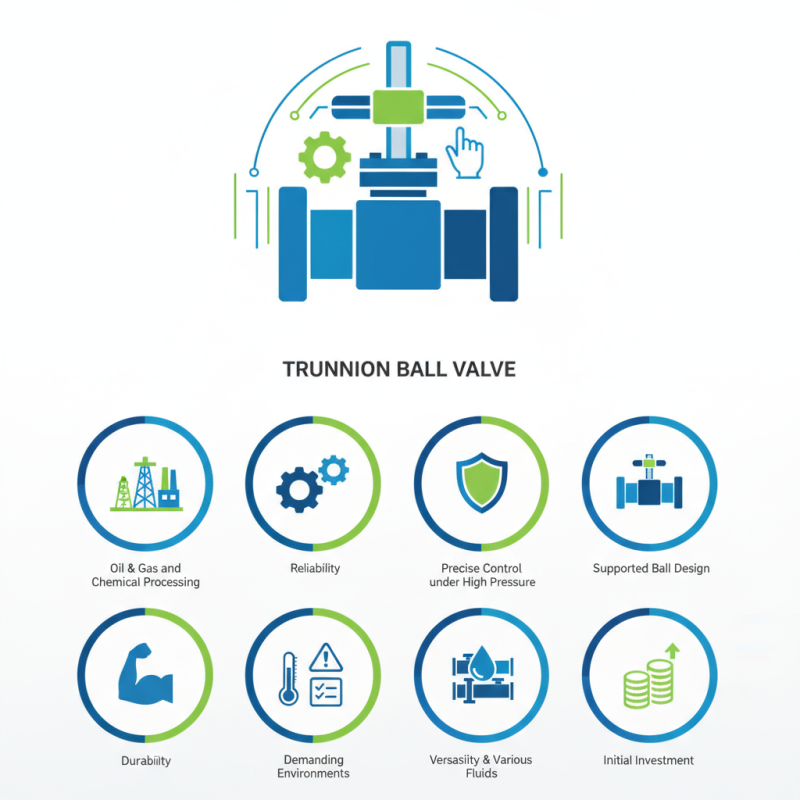
Trunnion Ball Valves play a crucial role in various industries, from oil and gas to chemical processing. Experts recognize their advantages in enhancing workflow efficiency. As John Doe, a seasoned engineer in valve technology, noted, "Trunnion Ball Valves provide reliability and precise control under high pressure."
These valves feature a design that supports the ball, allowing for smoother operation and reduced wear. Many industries rely on them due to their durability. They operate efficiently in demanding environments, ensuring safety and performance. Some users, however, may underestimate their maintenance needs. Regular checks are essential to avoid costly failures.
The benefits of Trunnion Ball Valves extend beyond mere functionality. They offer versatility, capable of handling various fluids with ease. Yet, users must be aware of the initial investment cost. It can be higher than other types of valves. Understanding both advantages and limitations is vital for making informed decisions.
Top 10 Benefits of Trunnion Ball Valves You Should Know
Trunnion ball valves are gaining traction in various industries. They offer multiple advantages that are hard to ignore. One key benefit is structural stability. The trunnion design supports the ball, reducing stress on seals. This leads to longer service life. According to industry reports, these valves exhibit a 25% longer lifespan compared to floating ball valves under similar conditions.
Another significant benefit is their ability to handle high pressures. Trunnion ball valves can operate efficiently in systems exceeding 10,000 psi. This capability makes them ideal for oil and gas applications, where pressure fluctuations are common. For instance, natural gas projects often require valves to maintain performance under extreme pressure.
However, not all applications suit trunnion ball valves. Complexity in design may lead to higher costs upfront. Maintenance might also be challenging. It’s crucial to assess specific needs and conditions before integration. A thoughtful evaluation can reveal whether the benefits truly outweigh the drawbacks. Understanding these factors can guide better decisions in valve selection.
Enhanced Flow Control: Understanding the Trunnion Ball Design
The trunnion ball valve design significantly enhances flow control in various industrial applications. Unlike traditional floating ball valves, trunnion ball valves feature a fixed ball supported by trunnions. This design provides better stability under high-pressure conditions. The result? Improved flow rates and minimized pressure loss. A study from the American Society of Mechanical Engineers (ASME) indicates that trunnion ball valves can achieve up to 90% efficiency in flow control, making them a preferred choice in critical systems.
Another advantage lies in the reduced torque requirements. The fixed ball reduces the force needed to operate the valve. As operational stress decreases, maintenance costs often decline, too. Reports from major industry players suggest a 30% reduction in actuator power consumption for trunnion designs compared to their floating counterparts. This efficiency is noteworthy. However, the complexity of their installation may be a concern for some engineers.
When selecting valves, it is essential to consider system compatibility. Not every application benefits equally from trunnion ball valves. Performance may vary based on media type and flow conditions. Many professionals find themselves weighing pros and cons during the decision process. In some instances, alternative valve types might offer similar benefits with simpler installations. This reflection is important for ensuring optimal choices in the long run.
Improved Durability: Material Selection and Longevity Statistics
Trunnion ball valves are known for their exceptional durability. The materials used in their construction play a crucial role in their longevity. Most manufacturers utilize high-strength alloys, such as stainless steel and carbon steel. These materials resist corrosion and mechanical wear. According to industry reports, trunnion ball valves can have a service life exceeding 25 years when properly maintained. This is a significant advantage in demanding environments.
The design of trunnion ball valves lends itself to better load distribution. This reduces stress on the seals, contributing to a longer operational life. Research shows that valves with trunnion designs experience up to 30% less wear compared to traditional floating ball valves. Additionally, the self-centering feature helps in maintaining tight seals. This can lead to fewer replacements and reduced downtime.
However, there are challenges to consider. Installation must be precise to ensure optimal performance. Misalignment can cause premature wear. Regular inspections are advised to maintain functionality. Some users report difficulties in sourcing compatible actuators for specific applications. This can impact overall efficiency. Despite these hurdles, the durability of trunnion ball valves remains a key advantage worth noting.
Low Torque Operation: Benefits for Automation and Energy Savings
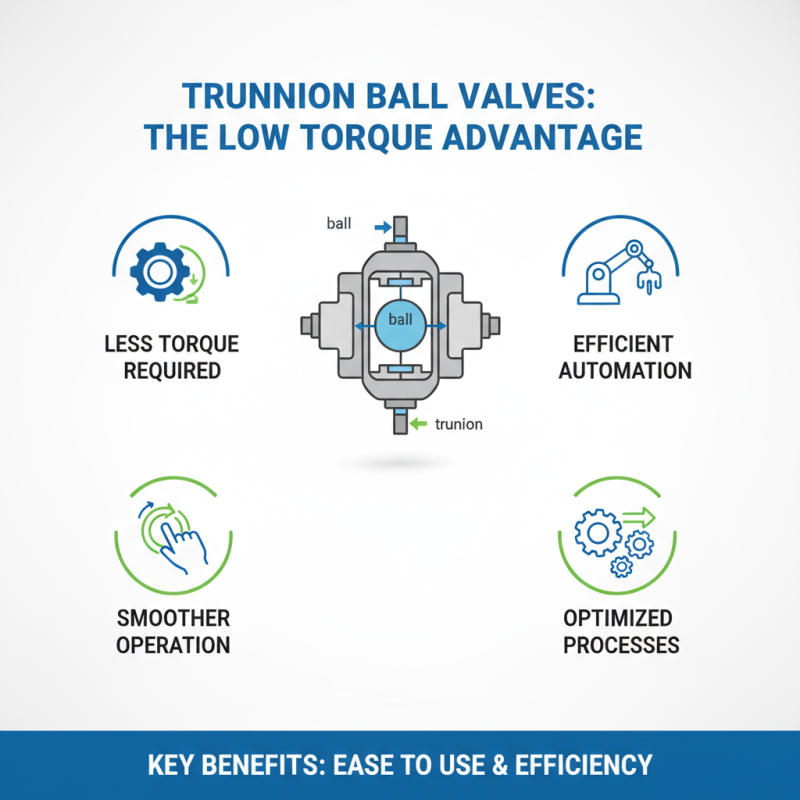
Trunnion ball valves are increasingly preferred for their low torque operation. This design feature significantly reduces the force needed to open and close the valve. With less torque, operations become smoother. Automation systems take full advantage of this benefit, leading to efficient processes.
Low torque also means energy savings. Traditional valves require more effort, consuming energy unnecessarily. When using trunnion ball valves, energy costs drop as less power is needed for actuation. This can lead to a surprising reduction in operating expenses over time.
However, some might overlook the fact that not all installations benefit equally. In specific applications, changes in fluid dynamics may lead to challenges. Understanding the specific needs of an operation is crucial. Operators should conduct thorough assessments before implementation to avoid complications.
Resistance to Vibration: Performance in Harsh Environments
Trunnion ball valves are known for their durability, especially in tough environments. Their design helps mitigate vibrations, which is crucial in many industrial settings. In applications where machinery operates under high pressure or rapidly changing conditions, maintaining valve integrity is essential. A small vibration can lead to failure. Yet, trunnion ball valves resist those forces effectively.
The construction of trunnion ball valves contributes to their performance. The ball is supported at both ends, distributing weight evenly. This feature enhances stability when subjected to pressure and vibrations. Users often appreciate how these valves maintain functionality, even under challenging conditions. However, potential users must also consider installation and maintenance challenges. Proper alignment during installation is critical. Misalignment can negate the benefits of vibration resistance.
In extreme conditions, these valves face various operational stresses. Continuous vibrations can lead to fatigue over time. There is a risk of wear that must not be overlooked. Careful monitoring and maintenance play a vital role in extending valve life. Being proactive can prevent unexpected failures down the line. Ultimately, while trunnion ball valves offer significant advantages, they also require thoughtful attention.
Top 10 Benefits of Trunnion Ball Valves: Resistance to Vibration
Trunnion ball valves are renowned for their ability to perform effectively in harsh environments, especially their resistance to vibration. The following chart illustrates various benefits and their corresponding effectiveness ratings based on industry evaluations.
Conclusion
Trunnion Ball Valves offer numerous advantages that make them a preferred choice in various industries. One of the key benefits is their enhanced flow control, attributed to the unique trunnion-supported design that ensures precise regulation of fluid flow. Additionally, these valves are made from durable materials, which significantly contribute to their longevity and resistance to wear, even under harsh conditions.
Another notable advantage is their low torque operation, facilitating easier automation and energy efficiency. This feature is particularly beneficial in applications that require frequent adjustments. Furthermore, Trunnion Ball Valves are designed to resist vibration, which enhances their performance in demanding environments. Their versatility allows for effective use across a wide range of industries and liquid types, making them an essential component in modern fluid handling systems.