Top 10 Benefits of Using Forged Steel Ball Valves?
In the competitive landscape of industrial applications, the advantages of using a Forged Steel Ball Valve are becoming increasingly evident. John Smith, a renowned expert in valve technology, emphasizes, "Forged Steel Ball Valves offer unmatched durability and performance." This statement captures the essence of their value in today's engineering domains.
Forged Steel Ball Valves stand out due to their robust construction. Their ability to withstand high pressures makes them suitable for demanding environments. Industries that rely on precise control and reliability benefit greatly from these valves. However, not all forged steel options are created equal. Selecting the right manufacturer is crucial for achieving optimal performance.
Despite their many benefits, some argue that the initial investment for Forged Steel Ball Valves can be high. It's essential to weigh the long-term savings against the upfront costs. A well-informed choice could prevent costly failures down the line. Therefore, understanding their benefits is key to making the right decision.
Top 10 Benefits of Using Forged Steel Ball Valves
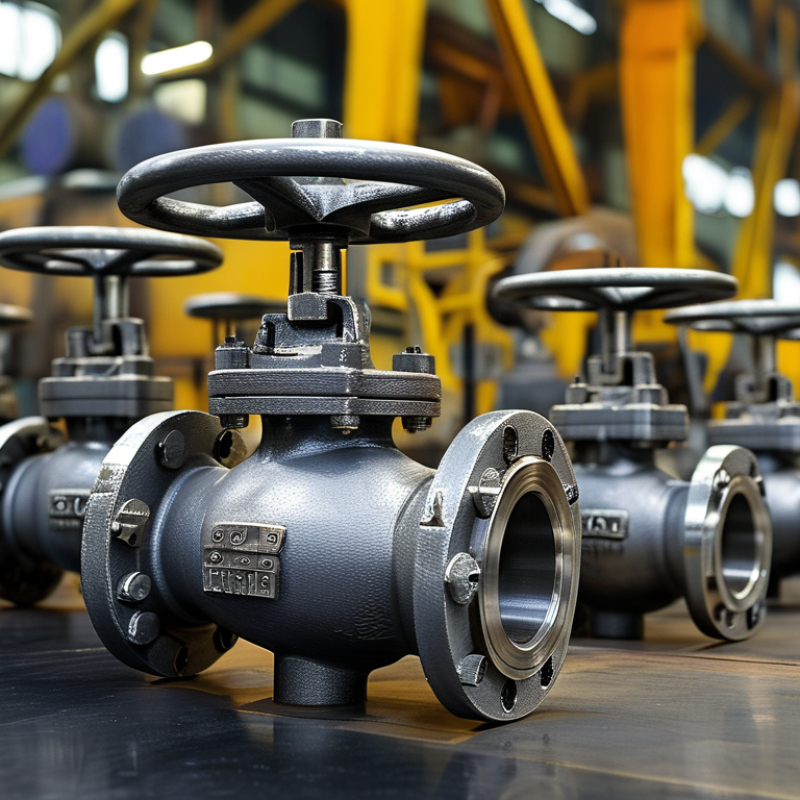
Forged steel ball valves are increasingly favored across various industries. Their superior strength and durability make them ideal for high-pressure environments.
According to the Valve Manufacturers Association, nearly 60% of industrial applications favor forged steel for their reliability. This material withstands extreme temperatures and corrosive substances better than many alternatives.
One key advantage is their tight sealing capability. Forged steel ball valves can minimize leakage, enhancing system efficiency.
Research indicates that these valves can reduce maintenance costs by up to 30%, as they require fewer replacements. However, not every application benefits from this technology.
Some may find installation or weight to be considerations that necessitate further planning.
Forged steel valves are praised for their ease of operation. They feature simple quarter-turn functionality, allowing for quick adjustments.
Unfortunately, their initial cost can be higher than other material options. This expense prompts some users to reconsider immediate needs versus long-term gains.
The trade-off between immediate savings and the advantages of durability requires careful evaluation.
Enhanced Durability and Strength of Forged Steel Materials
Forged steel ball valves are renowned for their enhanced durability and strength. The forging process aligns the grain structure of the steel, making it denser and tougher. This alignment leads to better performance under high pressure and extreme temperatures. Such resilience is critical in demanding industries like oil and gas, where equipment faces continuous strain.
These valves withstand harsh environments without compromising integrity. Their design minimizes wear and tear, ensuring longevity and reducing maintenance costs. However, not all forged steel is created equal. It's crucial to source high-quality materials and follow proper manufacturing standards. Poorly made valves can fail, costing time and resources. Therefore, meticulous selection and quality control are vital for successful implementation.
Durability benefits bring inherent challenges too. For instance, forged steel can be heavy. This weight might impact installation and operation. Additionally, while they are strong, improper handling during installation can lead to failures. It's essential to follow guidelines to mitigate these risks and ensure maximum efficiency in usage. The balance of strength and careful application defines the success of forged steel ball valves.
Improved Flow Control Efficiency in Fluid Systems
Forged steel ball valves are renowned for their ability to enhance flow control efficiency in fluid systems. These valves offer a tight seal that minimizes leakage. The design enables smooth transitions and reduces turbulent flow. This feature is crucial for applications that require precision in regulating fluid flow.
Using forged steel also provides increased durability. These valves withstand high pressure and temperature conditions, making them versatile for various industries. The robust construction means fewer replacements or repairs. However, it is essential to consider installation complexity. Proper alignment is crucial; improper setup can lead to malfunctions.
Another aspect worth noting is the maintenance requirements. While forged steel ball valves are reliable, they do need periodic checks. Regular inspection can prevent operational inefficiencies. Fluid systems can be complex; thus, investing in quality valves might seem risky without proper knowledge. Seek expert advice to ensure the best choices are made for specific applications.
Top 10 Benefits of Using Forged Steel Ball Valves
This chart illustrates the key benefits of using forged steel ball valves in fluid systems, highlighting areas such as efficiency, durability, and cost-effectiveness.
Resistance to High Pressure and Temperature Conditions
Forged steel ball valves are essential in industries facing high pressure and temperature conditions. Their construction allows them to withstand extreme environments without compromising performance. This durability stems from the forging process, which enhances the steel’s structural integrity. Forged steel valves can operate in temperatures exceeding 250 degrees Celsius and pressures above 3000 psi. This makes them ideal for oil, gas, and power generation sectors.
Another significant aspect is their resistance to thermal expansion. Standard valves may warp under high heat, leading to leaks and failures. Forged steel valves maintain their shape and function well, even in extreme conditions. Additionally, they feature a tight sealing mechanism, which minimizes the risk of undesired leaks. Their ability to handle thermal cycling contributes to their longevity.
However, it’s important to consider installation and maintenance practices. Improper installation can lead to leaks, and regular inspections are crucial. While forged steel valves excel in high-stress environments, they require careful handling and expertise. Without proper care, even the best materials can fail over time. Balancing these considerations ensures optimal performance in demanding applications.
Lower Maintenance Costs Compared to Other Valve Types
Forged steel ball valves are known for their remarkable durability and efficiency. One of their most significant advantages is lower maintenance costs compared to other valve types. This feature stems from their robust construction. Unlike other valves, forged steel is less prone to wear and tear, which extends the lifespan of the valve. Regular inspection is still necessary, but the frequency is reduced.
In many cases, other valve types require frequent replacement of components. This factor can lead to unexpected downtime, which affects productivity. Conversely, forged steel ball valves often remain functional longer without the need for extensive repairs. However, it's essential to consider the initial investment. While they may be pricier upfront, the total cost of ownership could be lower over many years.
Maintenance costs can also be a reflection of system complexity. Forged steel valves typically simplify the system. They are easier to install and operate. Their straightforward design reduces the risk of installation errors. However, every system has quirks that need attention. Operators should always keep an eye on conditions that could necessitate maintenance, even with these reliable valves.
Conclusion
Forged Steel Ball Valves offer numerous advantages that make them a preferred choice in various industrial applications. One of the primary benefits is their enhanced durability and strength due to the forged steel materials, which provide superior resilience against wear and damage. Additionally, these valves improve flow control efficiency in fluid systems, ensuring optimal performance even in demanding conditions.
Moreover, Forged Steel Ball Valves are designed to withstand high-pressure and temperature environments, making them ideal for challenging operational settings. Their lower maintenance costs compared to other valve types further contribute to their appeal, as businesses can benefit from reduced downtime and operational expenses. Ultimately, the increased longevity and reliability of Forged Steel Ball Valves make them a valuable investment for any industrial operation.