10 Best Casting Ball Valve Options for Your Industrial Needs?
In the world of industrial applications, selecting the right components is crucial. Casting ball valves are vital for fluid control systems. They ensure efficient performance and durability under pressure. Industry expert John Smith states, “A reliable casting ball valve can significantly enhance operational efficiency.”
These valves are widely used in various sectors. Their robust design often withstands harsh environments. However, not all casting ball valves meet high standards. It's essential to compare options based on features like materials and size. Many users overlook maintenance needs, leading to premature failures. The right choice can save both time and costs.
Choosing the best casting ball valve demands careful consideration. Brands may vary in quality and performance. Understanding specifications helps in avoiding costly mistakes. Investors and engineers must prioritize reliability and function during selection. With detailed knowledge and proper guidance, you can make informed decisions.
10 Essential Factors to Consider When Choosing a Casting Ball Valve
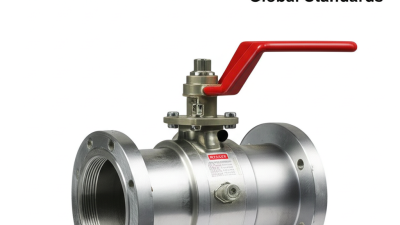
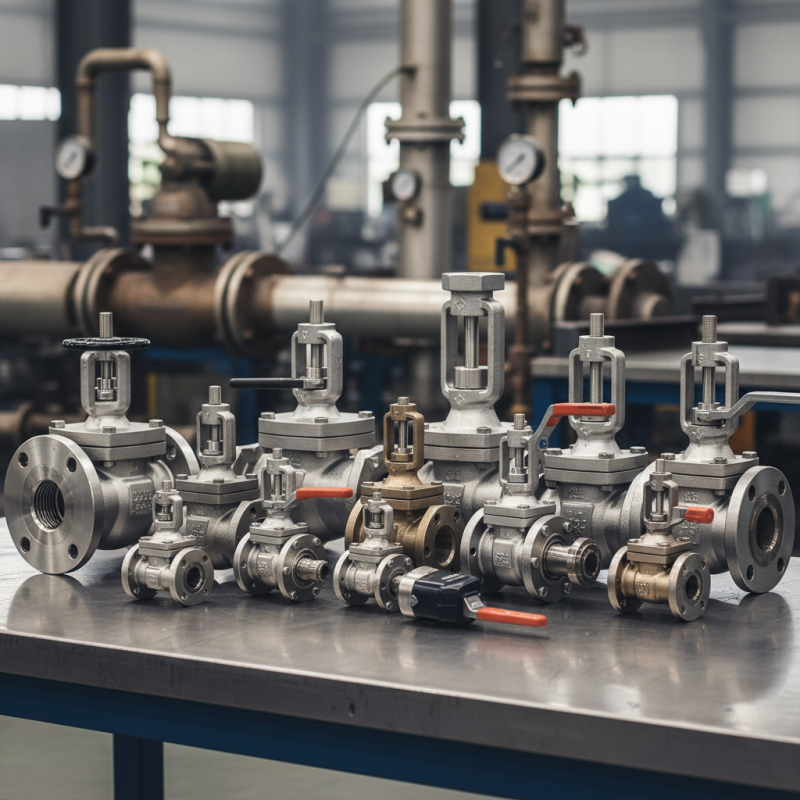
When selecting a casting ball valve for industrial applications, several essential factors come into play. One critical consideration is the valve material. Different materials offer varying resistance to corrosion and temperature changes. For high-pressure applications, ensure the valve can handle the required specifications. Understanding the operating environment is vital. Factors like temperature fluctuations can affect performance and longevity.
Another important aspect is the ball valve’s size and connection type. A proper fit ensures efficient flow control and reduces the risk of leaks. Evaluate the valve's ease of maintenance as well. Some designs are more user-friendly, allowing for quicker servicing. Don’t overlook the actuator options available. Manual or automated actuation can suit different operational needs.
Lastly, always consider certifications and industry standards. Valves should meet guidelines specific to your sector, ensuring reliability and safety. While many options exist, a focus on quality and the manufacturer’s reputation can guide your choice. Finding the right balance between cost and durability may require additional research and reflection. This approach can lead to a more informed decision.
Top 10 Casting Ball Valve Options for Industrial Needs
This chart represents the performance characteristics of top casting ball valves based on key factors such as pressure rating, temperature range, and flow coefficient. These dimensions are essential when selecting a ball valve for industrial applications.
Overview of Different Materials Used in Casting Ball Valves and Their Benefits
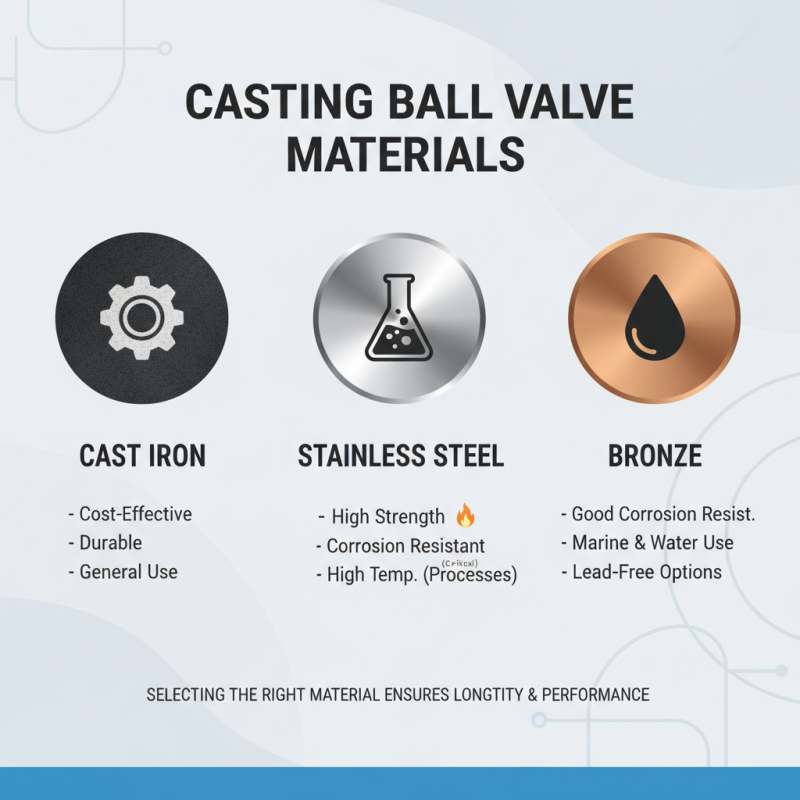
When selecting casting ball valves for industrial applications, material choice plays a critical role. Common materials include cast iron, stainless steel, and bronze. Each offers unique advantages, impacting durability and resistance to corrosion. For instance, stainless steel is renowned for its strength and resistance to oxidation. According to industry reports, stainless steel valves can withstand high temperatures, making them suitable for critical processes.
Cast iron valves are often favored for their affordability and excellent wear resistance. However, they may be more prone to corrosion in aggressive environments. On the other hand, bronze offers a good balance, with decent corrosion resistance and ease of machining. Data from industry studies suggest that bronze valves can last up to 25% longer in scenarios involving seawater compared to cast iron.
The choice of material should align with specific application needs. For example, if a system operates in high-pressure situations, stainless steel may be the best fit. Yet, budget constraints might lead to the choice of cast iron or bronze instead. Understanding these properties helps in making well-informed decisions, essential for optimizing industrial operations.
Comparison of Leading Brands in the Industrial Casting Ball Valve Market
In the industrial sector, selecting the right casting ball valve is essential. Numerous brands offer a range of options, yet not all meet industry standards. A recent report by the Global Market Insights noted the casting ball valve market's growth, predicting a CAGR of 5.3% from 2023 to 2030. This statistic emphasizes the rising demand for reliable valves in various applications, including oil and gas, water treatment, and chemical manufacturing.
When comparing brands, focus on material quality, performance metrics, and manufacturing processes. Many manufacturers utilize high-grade alloys to enhance durability and corrosion resistance. A study showed that valves made from such materials exhibit at least a 30% longer lifespan than those made from lower-quality options. Selecting a valve that can withstand harsh environments is crucial.
**Tip:** Consider conducting regular maintenance checks on your valves. Early detection of wear can prevent costly downtime. Also, not all brands provide detailed specifications. Always vet manufacturers for transparency. Their willingness to share performance data can indicate their confidence in product reliability. Watch out for discrepancies that may hint at subpar performance.
10 Best Casting Ball Valve Options for Your Industrial Needs
| Valve Size |
Material |
Pressure Rating (PSI) |
Temperature Range (°F) |
Application |
| 1/2" |
Cast Iron |
150 |
-20 to 200 |
Water Supply |
| 3/4" |
Brass |
200 |
-10 to 250 |
Oil & Gas |
| 1" |
Stainless Steel |
300 |
-40 to 400 |
Chemical Processing |
| 2" |
Ductile Iron |
150 |
-20 to 300 |
Fire Protection |
| 3" |
Carbon Steel |
300 |
-40 to 500 |
High Pressure Systems |
Key Applications and Industries Utilizing Casting Ball Valves Effectively
Casting ball valves find critical applications across various industries, including
oil and gas, water treatment, and chemical manufacturing. In the oil and gas sector, these valves ensure
reliable flow control in high-pressure environments. They are designed to handle aggressive fluids, maintaining integrity even under challenging conditions.
In water treatment plants, these valves support the efficient regulation of water flow, contributing to systems that purify and distribute water effectively.
Chemical manufacturing also benefits from casting ball valves. These valves can manage
corrosive substances, thus improving overall safety and performance. However, improper installation or maintenance can
lead to leaks, which demands careful attention. Operators must regularly inspect these valves to ensure their functionality.
Regular checks can mitigate potential risks and enhance the
longevity of the equipment.
Each industry requires tailored solutions to optimize operations. Understanding the unique demands is crucial.
Selecting the right valve involves not only considering materials but also the specific application requirements.
This methodical approach ensures that the chosen valve performs effectively and safely in its intended environment.
Performance Metrics: Pressure Ratings and Flow Coefficients of Top Models
When selecting a casting ball valve for industrial applications, performance metrics are critical. Pressure ratings indicate the maximum pressure a valve can handle under specific conditions. Typically, these ratings range from 150 to 300 PSI, showcasing the valve's ability to withstand intense operational environments. The flow coefficient (Cv) is essential too. It measures the flow capacity of a valve. A higher Cv means greater flow efficiency, which is crucial for optimizing system performance.
Tip: Regularly check pressure ratings during installation. Misjudgments here can lead to system failures. Understand your flow requirements to select an appropriate Cv. It can impact energy consumption and operational cost.
Ball valves come in various sizes and materials, each affecting performance metrics. It's important to consider the characteristics of the media passing through the valve. For instance, corrosive substances require specially coated valves. Keep in mind that different applications may require different levels of precision and durability.
Tip: Always consult installation guides. Improper installation can alter pressure ratings unexpectedly. Regular maintenance checks ensure performance metrics remain optimal over time. Be proactive in identifying any potential leaks or blockages in your system.