Best Prefab Container House Designs for Modern Living?
In today's evolving architecture landscape, the Prefab Container House stands out as a versatile solution for modern living. Industry expert, John Smith, once stated, "Prefab Container Houses are not just homes; they are a way of rethinking our living spaces." This innovative approach combines sustainability and affordability, catering to diverse lifestyles.
Imagine a compact, stylish home crafted from repurposed shipping containers. These structures can be customized to fulfill unique needs, often featuring eco-friendly materials and energy-efficient designs. However, the journey of embracing Prefab Container Houses is not without its challenges. Many still question their durability and long-term viability.
The aesthetics of a container home can be stunning, yet the practical aspects often require careful consideration. Potential buyers should reflect on factors like insulation, interior space, and zoning regulations. Ultimately, considering a Prefab Container House involves weighing both the innovative design and the realities of residential living.
Innovative Features of Modern Prefab Container Houses
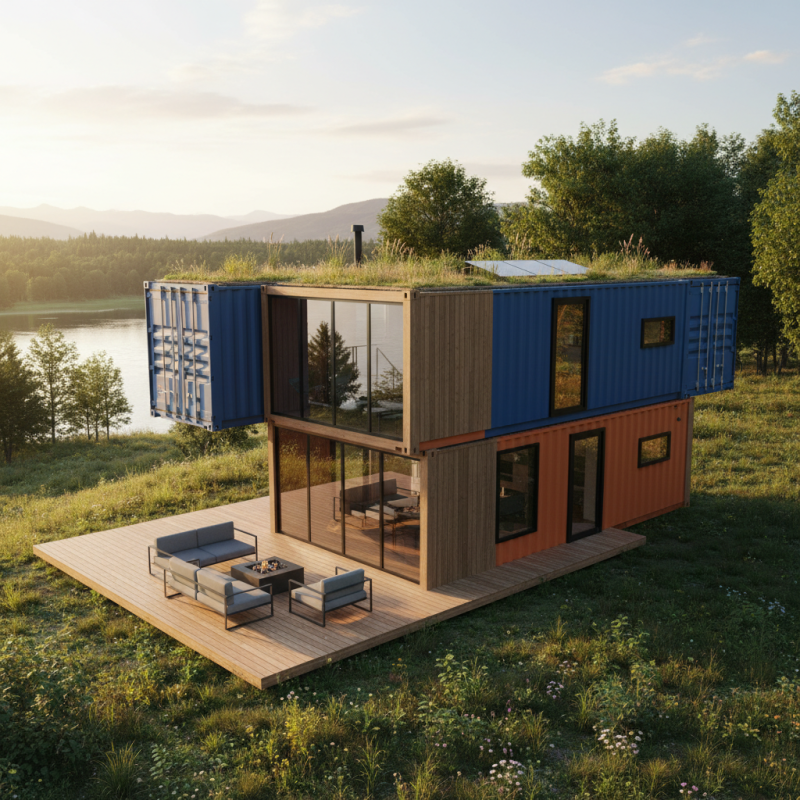
Prefab container houses are transforming modern living with their innovative designs. These homes are durable and eco-friendly, appealing to many. Their modular nature allows for flexibility in layouts. Spaces can be customized to fit individual needs, enhancing comfort and utility.
One key feature is the use of sustainable materials. Many container homes incorporate solar panels, green roofs, and recycled materials. These elements help reduce the environmental footprint. Natural light is maximized through large windows and open spaces. Remember to consider energy efficiency when designing your container house.
Tips: Think about the layout carefully. Open-plan designs can feel spacious but may lack privacy. Incorporate soundproofing materials if needed. Another consideration: the climate in your area. Insulation is crucial for comfort, especially in extreme weather. Embrace imperfections in design. Unique, quirky elements can add character to your space.
Popular Styles and Designs for Contemporary Container Homes
Container homes have gained popularity due to their modern design and eco-friendly features. They offer a unique aesthetic that blends industrial chic with functional living. Open floor plans are common in contemporary designs. Large windows provide natural light and create a feeling of spaciousness. Many choose a minimalist approach, focusing on sleek lines and neutral colors.
Some homeowners prefer to customize their living spaces. This can lead to a mix of styles, from cozy and rustic to ultra-modern. Contrasting elements like reclaimed wood and steel can add character. Outdoor spaces are often integrated as well. Decks or patios can extend the living area, making it perfect for gatherings.
Nevertheless, challenges exist with container homes. Insulation can be an issue, as metal can conduct heat rapidly. Additionally, local building codes may complicate construction. Homeowners should research regulations before starting a project. It’s essential to plan thoroughly to avoid unexpected hurdles.
Sustainability and Environmental Impact of Container Living
Container homes represent a growing trend in sustainable living. They offer a unique way to repurpose materials that would otherwise go to waste. Each container can be transformed into efficient living spaces, providing homes in urban and rural areas alike.
However, the environmental benefits can vary. While recycling steel reduces the need for new materials, building codes and insulation requirements can negate some advantages. Poorly designed containers might lead to high energy consumption, undermining sustainability goals. It’s essential to consider proper orientation for natural light and ventilation.
Water usage in container design can also be a concern. Systems for rainwater collection can mitigate this. Yet, not all designs incorporate these features. Thoughtful planning is crucial to ensure that container homes truly align with the principles of sustainability. Balancing aesthetics and environmental impact is a challenge worth reflecting on.
Best Prefab Container House Designs for Modern Living
This bar chart illustrates the environmental impact of various container house designs based on sustainability criteria such as energy efficiency, material usage, and carbon footprint.
Cost-Effectiveness: Budgeting for a Prefab Container Home
When considering a prefab container home, cost-effectiveness is a vital factor. These homes are often cheaper than traditional houses, but that doesn't mean they're free of challenges. On average, you'll spend between $10,000 to $35,000 for a basic unit, depending on size and features. This initial investment is just the beginning.
Utility connections can add to your budget. Electricity, water, and sewage can quickly escalate costs. It's essential to plan for these extras. Additionally, customization will eat up your budget as well. Open floor plans might look trendy, but they can require more modifications. Don’t forget about insulation. A well-insulated container can save you money in the long run, but it might raise your initial costs.
Moreover, think about location. Land prices vary significantly. A great deal in a remote area might not be practical. Urban areas could bring higher costs, but they often provide better amenities. Reflecting on these factors can help you avoid budget pitfalls. Prefab homes can be a great choice, but planning is crucial. Adjust your expectations and be ready for the unexpected.
Best Prefab Container House Designs for Modern Living
| Design Name | Size (sq ft) | Cost Estimate ($) | Number of Bedrooms | Sustainability Features |
| Modern Minimalist | 320 | 45,000 | 1 | Solar Panels, Rainwater Harvesting |
| Family Retreat | 640 | 75,000 | 2 | Green Roof, Energy-efficient Windows |
| Compact Studio | 200 | 30,000 | 0 | LED Lighting, Insulated Walls |
| Luxury Oasis | 800 | 120,000 | 3 | Geothermal Heating, Eco-friendly Materials |
| Urban Loft | 500 | 65,000 | 1 | Solar Water Heater, Recycled Materials |
Space Optimization: Interior Layouts and Design Tips for Efficiency
When designing a prefab container house, space optimization is key. Every square foot counts, and creative layouts can enhance functionality. Consider using multi-purpose furniture to maximize utility. For instance, a foldable dining table can double as a workspace. Wall-mounted shelves can free up floor space, keeping the area open and airy.
Natural light can dramatically improve the feel of compact spaces. Large windows or skylights add brightness and warmth. However, be cautious—too much glass can lead to temperature issues. Incorporate window treatments to mitigate this. Bright, light color palettes can also create an illusion of more space. They reflect light and make rooms feel larger.
Thoughtful organization is essential. Use baskets and containers to keep clutter at bay. Create designated areas for different activities, even in small homes. Reflect on the layouts that work for you. Everyone's needs differ, so what suits one might not suit another. Flexibility in design allows for personal adaptation over time.