China Best Floating Ball Valves for Industrial Use?
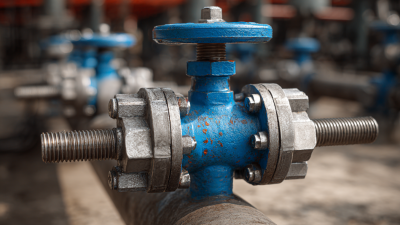
When it comes to industrial applications, choosing the right valves is crucial. Floating ball valves have gained recognition for their efficiency and reliability. They play a vital role in fluid control across various sectors.
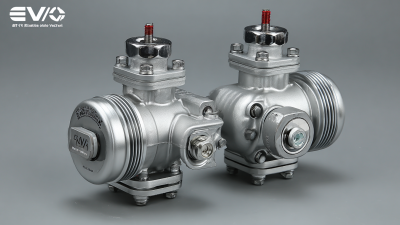
Manufactured in China, these valves are designed to handle different types of media. Their floating design allows for a tight seal, which prevents leaks. This reliability is essential in industries like oil and gas, chemical processing, and water treatment. However, not all floating ball valves are created equal. Quality can vary significantly across manufacturers.
In the market, finding the best floating ball valves can be challenging. Some products may not perform as expected. It’s important to consider factors such as material, pressure rating, and temperature tolerance. Researching suppliers can yield both outstanding and disappointing options. Users should weigh their choices carefully, ensuring that performance and durability meet industrial standards.
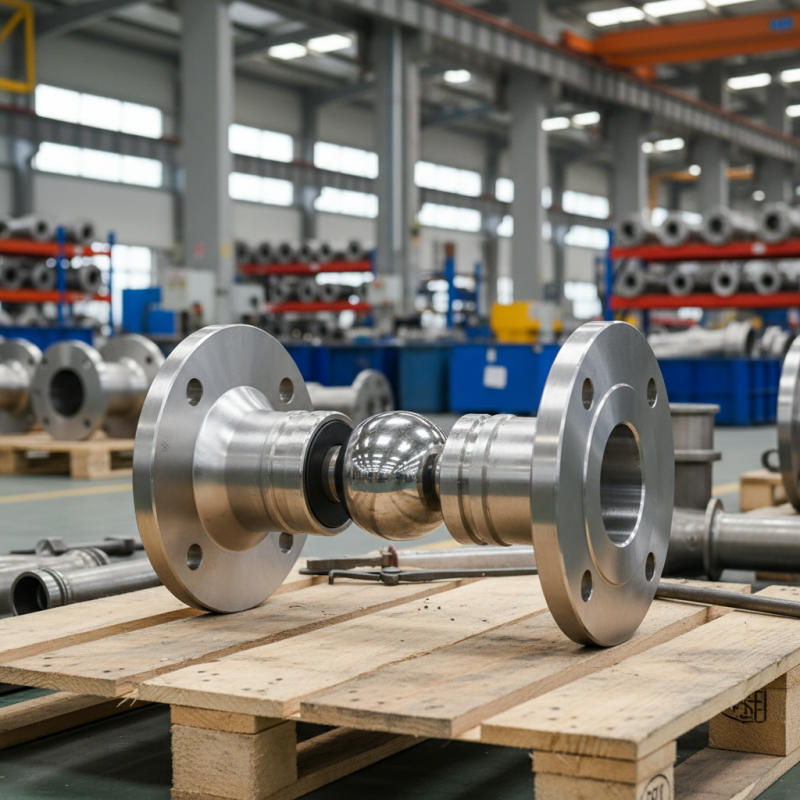
China's Leading Manufacturers of Floating Ball Valves for Industry
China has become a major player in the manufacturing of floating ball valves for industrial applications. These valves are crucial for controlling the flow of liquids and gases in various industries, including oil and gas, water treatment, and chemical production. According to industry reports, the floating ball valve market in China is expected to grow at a CAGR of 5.2% from 2023 to 2030. This growth is driven by increasing demand for automation and efficiency in industrial processes.
Leading manufacturers in China are focusing on advanced materials and innovative designs to enhance performance and durability. This is particularly important for sectors with high-pressure and high-temperature conditions. Manufacturers are increasingly adopting technologies such as CNC machining and advanced sealing techniques to ensure reliability and safety. However, there are concerns regarding quality consistency across different suppliers. Not all manufacturers adhere to the same standards, which can lead to variability in product performance.
Tip: Always check for certifications and quality assurance before purchasing. It ensures you get reliable products.
Moreover, understanding the specific application needs is crucial. Floating ball valves come in various sizes and pressure ratings. Choosing the wrong specifications can lead to malfunctions and costly downtime. Many buyers overlook this aspect. Conduct thorough research and consult with industry experts to make informed decisions.
Tip: Reach out for professional advice when in doubt. It can save time and resources.
Key Specifications and Standards for Industrial Floating Ball Valves in China
When considering floating ball valves for industrial use in China, several key specifications come into play. The material choice is vital. Valves must be made from durable substances like stainless steel or brass. This ensures resistance to corrosion and wear, enhancing longevity. Pressure ratings also matter. Many applications require valves that can handle high pressures, often up to 1,600 PSI or higher, depending on the industry.
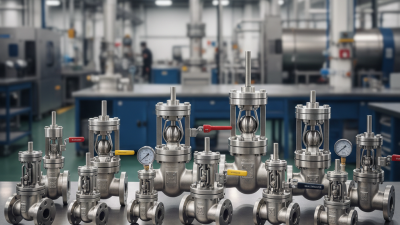
Another crucial aspect is the size and flow capacity of the valves. Floating ball valves come in various sizes, typically ranging from half an inch to several inches in diameter. Incorrect sizing can lead to poor performance or flow restrictions. Additionally, industry standards, such as API or ISO certifications, can determine the valve's reliability. There can be inconsistencies in meeting these standards, which may require careful review.
Finally, while many floating ball valves claim to meet these specifications, the reality can be different. Quality control can be an issue. Some manufacturers may underperform in their commitments. Regular testing and verification are essential to ensure that the valves function as intended in every application. Addressing these imperfections is critical to achieving optimal performance.
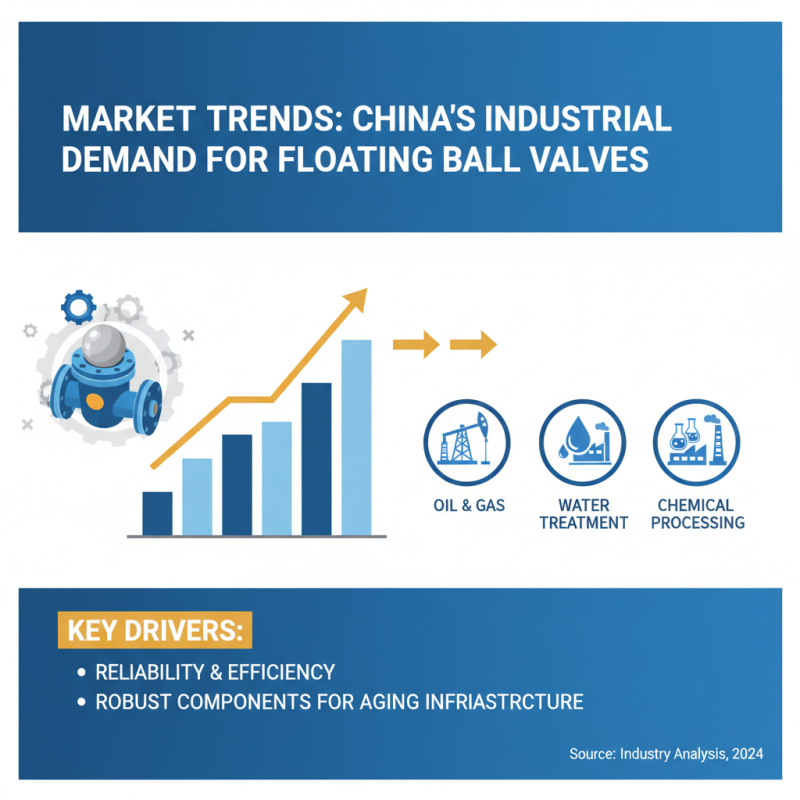
Market Trends: Demand for Floating Ball Valves in the Chinese Industrial Sector
The demand for floating ball valves in the Chinese industrial sector is on the rise. These valves are recognized for their reliability and efficiency in various applications. Industries such as oil and gas, water treatment, and chemical processing are leading the way. The need for robust and durable components is critical as infrastructure ages.
Market research indicates several trends influencing this demand. Industrial growth fuels the need for better control systems. Companies strive for higher efficiency and lower maintenance costs. Floating ball valves are increasingly seen as essential components for meeting these objectives. However, there are challenges too, including quality consistency across suppliers.
While many manufacturers are emerging, not all meet stringent standards. This inconsistency can lead to operational disruptions. Companies must scrutinize their suppliers carefully. Investing in quality assurance can prevent costly mistakes. Continuous innovation in valve design also prompts reflection on traditional approaches. Balancing cost and quality remains a challenge for many.
Applications of Floating Ball Valves in Various Industrial Processes
Floating ball valves are essential in many industrial processes. Their design allows for smooth operation and minimal flow resistance. In water treatment plants, for instance, these valves control water flow efficiently. They help manage the pressure in pipelines, ensuring consistent distribution of treated water. However, improper installation can lead to leaks, which may disrupt operations.
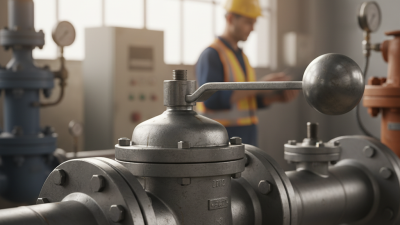
In oil and gas industries, floating ball valves play a critical role in regulating the flow of crude oil and gas. Their reliability is vital for maintaining safety standards. Regular maintenance is necessary, as wear can affect their performance. Sometimes, operators overlook this, leading to unexpected failures. In chemical manufacturing, these valves handle various corrosive substances. Using the wrong materials can lead to costly repairs and downtime.
The versatility of floating ball valves makes them applicable across different sectors. They are used in HVAC systems to manage air and fluid flow. However, challenges like temperature fluctuations can affect their functionality. Understanding these limitations is crucial for effective use. Each application has unique requirements that must be considered for optimal performance.
Applications of Floating Ball Valves in Various Industrial Processes
Comparative Analysis: Costs and Performance of Chinese vs. Global Brands
When examining floating ball valves, Chinese products often stand out in terms of cost efficiency. They frequently offer lower prices compared to their global counterparts. This cost advantage can be appealing for businesses looking to maximize profitability. However, it is important to note that the cheaper price does not always guarantee superior performance.
Performance can vary greatly among different manufacturers. Some Chinese floating ball valves may lack the durability seen in more established global brands. Users often report mixed experiences with Chinese products. This inconsistency raises questions about long-term investment. Functionality can also differ based on specific manufacturing processes and materials used.
Quality control should never be overlooked. While many Chinese manufacturers are improving their standards, some still struggle to maintain consistent quality. Buyers must conduct thorough research before making a purchase. It is essential to consider not just the initial cost, but also the potential need for repairs or replacements in the future. This approach ensures a more informed and balanced decision.