10 Best Floating Ball Valves for Optimal Performance in Your Projects?
When it comes to fluid control systems, Floating Ball Valves stand out as reliable components. These valves simplify operations while ensuring optimal performance in various applications. Their design allows for smooth flow regulation and easy maintenance, making them a go-to choice for engineers.
Selecting the right Floating Ball Valves can be challenging. There are many options available, and picking the best one is not always straightforward. With varying materials, sizes, and pressure ratings, it’s essential to understand your project requirements. Each choice influences efficiency and durability, which can impact the overall success of your system.
In this guide, we will explore the ten best Floating Ball Valves that elevate project performance. By examining their features, benefits, and possible drawbacks, we aim to provide valuable insights. Understanding these nuances can help ensure a more informed decision, ultimately leading to more effective and reliable outcomes.
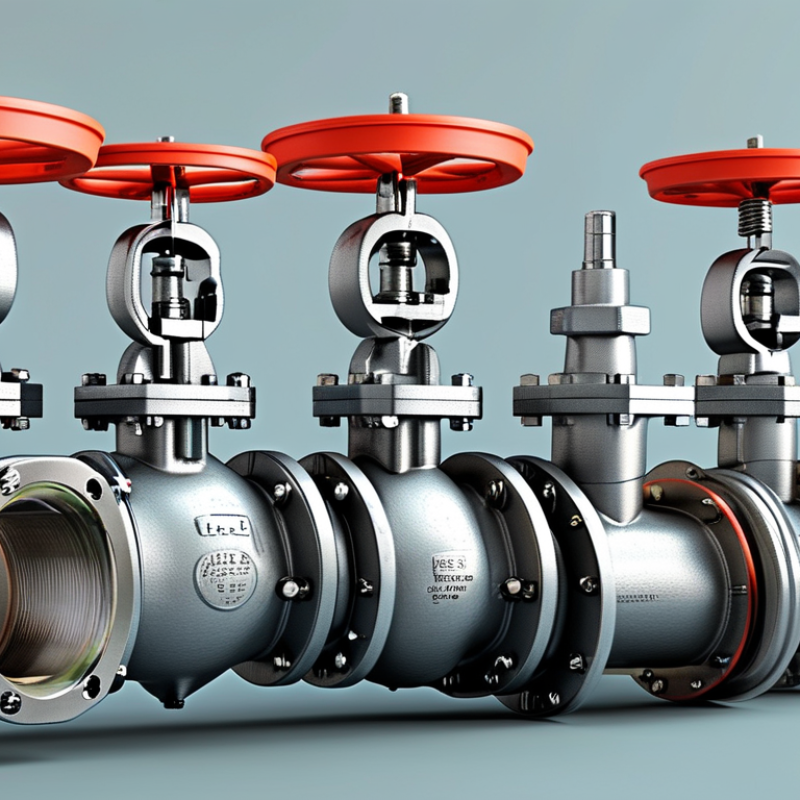
Top Features to Look for in Floating Ball Valves
When selecting floating ball valves for your projects, certain features are crucial for optimal performance. One of these is the material construction. The American Society of Mechanical Engineers (ASME) emphasizes that materials like stainless steel or brass provide durability and corrosion resistance. This is vital in environments exposed to chemicals or harsh weather conditions.
Another essential feature is the valve size and port style. A report from the International Association of Valves indicates that proper sizing impacts flow performance significantly. Valves should match the pipe size to avoid unnecessary pressure drops. More often than not, professionals overlook this, which can lead to inefficiencies and increased energy costs.
Additionally, consider the seat design. A well-designed seat enhances sealing capabilities and minimizes leaks. Leakage can increase operational costs and environmental risks. Research from the Valve Manufacturers Association highlights that up to 20% of energy loss in a system can stem from poorly sealed valves. This aspect requires careful evaluation in your selection process, as it can make a significant difference in the overall performance of your project.
Types of Floating Ball Valves and Their Applications
Floating ball valves are crucial in various industries, known for their reliability and efficiency. They operate by using a floating ball, which moves to open or close the flow of fluid. This design allows smooth operation, even under high pressure. According to a report by The Valve Manufacturers Association of America, the market for floating ball valves is expected to grow by 5.2% annually through 2025.
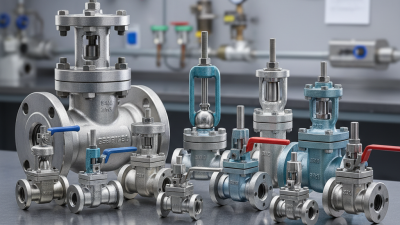
Common types of floating ball valves include full-port and reduced-port designs. Full-port valves have a larger diameter, allowing for minimal flow resistance. This feature is exceptional for applications in water treatment and oil and gas extraction. Reduced-port valves are more compact, ideal for systems where space is limited. Each type serves specific needs, underscoring the importance of selecting the right valve for optimal performance.
However, one must consider the material and pressure ratings when choosing a floating ball valve. Not all valves can handle corrosive fluids or extreme temperatures. A mismatch can lead to leaks or failures, compromising safety and efficiency. Professionals often recommend thorough analysis during the selection process to ensure reliability in real-world applications.
Understanding the Mechanics of Floating Ball Valve Operation
Floating ball valves play a crucial role in various industrial and plumbing applications. Their operation is based on a simple yet effective principle. A ball with a hole in the middle sits within the valve body. When the valve is closed, the ball rotates to block the flow, while when opened, it turns to allow fluid passage. This mechanism ensures high reliability and minimal leakage.
The floating design allows the ball to move slightly under pressure, ensuring a tight seal. However, it's essential to consider the materials used. Different fluids can cause wear and tear over time, leading to potential failures. Regular maintenance is crucial to prevent issues arising from corrosion or build-up. Valves may become less effective without proper inspection and timely replacements.
Understanding fluid dynamics is also vital. Flow velocity and pressure impact performance. If the valve is oversized, it may not function efficiently. Conversely, an undersized valve can lead to significant pressure loss. Therefore, selecting the right size for your application is fundamental for optimal operation. Each choice comes with trade-offs, highlighting the need for careful planning in every project.
Comparative Analysis of Leading Floating Ball Valve Brands
When selecting floating ball valves, brands vary in features and performance. Understanding these differences is crucial. Each brand brings unique specifications that can affect durability, flow rates, and installation ease. Some brands may excel in high-temperature applications, while others focus on cost-effectiveness. Evaluating the right choice requires careful consideration.
A comparative analysis reveals design variations. Some valves utilize advanced sealing techniques that enhance leak prevention. Others may lack these features, leading to potential reliability issues. Additionally, material choices impact overall performance. For example, valves made from robust materials resist corrosion better, ensuring a longer lifespan. Users often express frustration over frequent replacements, highlighting the significance of durability.
Installation processes also differ among brands. Some offer easy installation, while others require extra adjustments. This can lead to unexpected delays in projects. In evaluating these products, always weigh the trade-offs. How do you prioritize cost versus reliability? Making informed choices ultimately affects project success.
10 Best Floating Ball Valves for Optimal Performance in Your Projects
| Diameter (Inches) |
Material |
Pressure Rating (psi) |
Temperature Rating (°F) |
Connection Type |
Suitable Applications |
| 1 |
Brass |
600 |
200 |
Threaded |
Water, Gas |
| 2 |
Stainless Steel |
1500 |
450 |
Welded |
Oil, Chemicals |
| 3 |
PVC |
150 |
120 |
Socket |
Water Treatment |
| 4 |
Ductile Iron |
300 |
180 |
Flanged |
Hose Systems |
| 5 |
Aluminum |
200 |
250 |
Threaded |
Compressed Air |
| 6 |
Bronze |
600 |
200 |
Socket |
Swimming Pools |
| 7 |
PP (Polypropylene) |
150 |
140 |
Flanged |
Acid Handling |
| 8 |
Zinc-Coated |
250 |
180 |
Threaded |
General Plumbing |
| 9 |
Plastic |
100 |
100 |
Socket |
Irrigation |
| 10 |
Carbon Steel |
300 |
400 |
Welded |
Gas Transport |
Maintenance Tips for Ensuring Optimal Performance of Ball Valves
Ball valves are crucial in various industrial applications. Regular maintenance is essential for optimal performance. According to industry reports, proper maintenance can enhance the lifespan of ball valves by up to 30%. This longevity saves costs and enhances efficiency.
Observe the operating conditions. High temperatures and pressures can lead to premature wear. Utilizing the right lubricants is vital. A study indicated that using synthetic lubricants can reduce friction significantly. This improvement leads to smoother operation and less risk of sticking.
Frequent inspections play a key role. Look for leaks, corrosion, and wear. Addressing issues early can prevent costly failures. It's recommended to follow a structured inspection schedule. Many experts suggest quarterly checks for heavily used systems. These practices ensure reliability and efficiency in your projects.