Best Trunnion Mounted Valve Options for Global Buyers?
Trunnion Mounted Valves (TMVs) have become crucial in various industrial applications, significantly impacting global markets. According to a report by MarketsandMarkets, the global valve market is projected to grow from $72 billion in 2023 to over $90 billion by 2028, largely driven by demand for efficient flow control solutions. TMVs are favored for their ability to handle high pressures and for their robust designs.
However, not all TMVs are created equal. Buyers need to consider various factors when selecting valve options. The material, size, and pressure rating can greatly influence performance and longevity. A poorly chosen valve may lead to operational failures and costly downtimes.
Experience in valve selection is essential. Many industries, such as oil and gas and chemical manufacturing, require tailored solutions. However, with the evolving technology, manufacturers must stay updated on advancements. A systemic review of industry reports reveals gaps in understanding the market, necessitating better research and reflection before purchasing decisions. Buyers should seek reliable suppliers who provide comprehensive support and information.
Understanding Trunnion Mounted Valves: Definition and Functionality
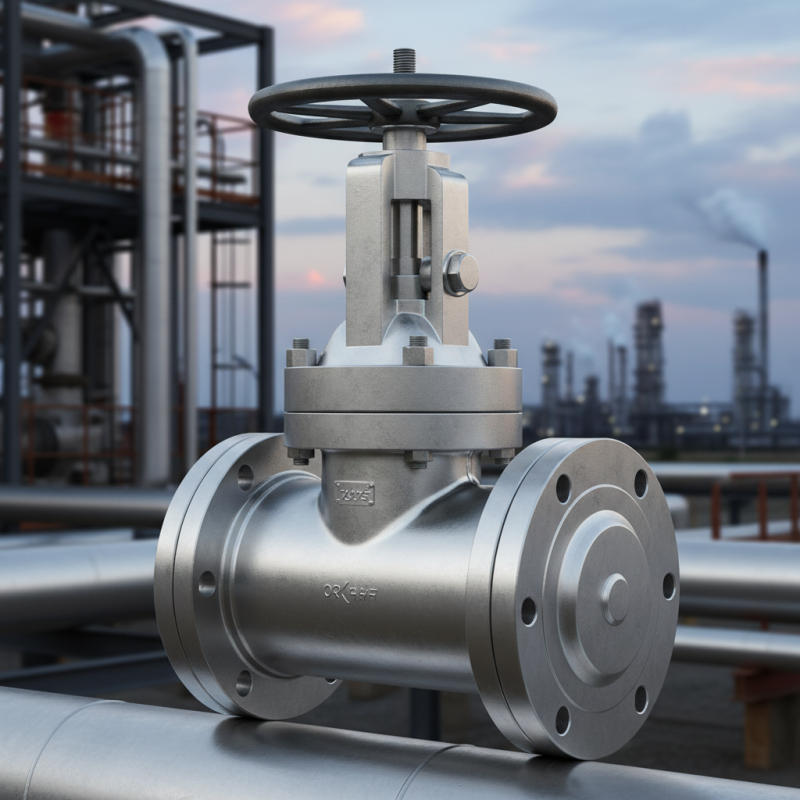
Trunnion mounted valves play a vital role in various industries. These valves are designed with a special mounting system that places the valve body on trunnions. This design reduces the torque required to operate the valve, making it more efficient. According to a report by Global Market Insights, the trunnion mounted valve market is projected to exceed $12 billion by 2025. This growth reflects their importance in applications such as oil and gas, water treatment, and power generation.
One critical aspect of trunnion mounted valves is their functionality. They offer excellent sealing capabilities, allowing them to handle high pressure and temperature conditions. The trunnion design helps to maintain the alignment of the valve, which minimizes wear and tear. However, users must be aware that improper installation or maintenance can lead to leaks and reduced performance. Regular inspections can help identify potential issues, ensuring long-term reliability.
Tips: Always consult with a professional before selecting a valve. Consider the specific requirements of your application. Ensure that the valve’s specifications match your operational needs. Proper training for personnel on valve operation can decrease the chance of human error. Remember, awareness of common pitfalls can improve the performance of your system.
Best Trunnion Mounted Valve Options for Global Buyers
This chart illustrates the average operational efficiency and reliability ratings of different trunnion mounted valve options based on recent market analysis.
Key Applications of Trunnion Mounted Valves in Various Industries
Trunnion mounted valves play a critical role across various industries. Their robust design makes them ideal for high-pressure and high-temperature applications. These valves are commonly found in oil and gas, chemical processing, and water treatment facilities. Their stability allows for precise control over fluid flow, making them essential in maintaining safety and efficiency in operations.
In oil and gas operations, trunnion mounted valves are used for isolating sections of pipelines. They can handle large volumes of hydrocarbons and withstand extreme conditions. Their design minimizes the risk of leakage, enhancing safety in potentially hazardous environments. In chemical processing, these valves manage corrosive fluids, ensuring durability and longevity.
**Tip:** Regular maintenance is essential to keep trunnion mounted valves functioning optimally. Inspect seals and alignments frequently to prevent operational failures.
In wastewater treatment, the durability of trunnion mounted valves ensures they can deal with varying pressures and corrosive substances. However, users should consider the specific requirements of their applications. Installing the wrong type could lead to inefficiency.
**Tip:** Always review operational specifications before selecting a valve. Consult with experts to ensure that your choice aligns with your industry needs.
Best Trunnion Mounted Valve Options for Global Buyers
| Application Industry |
Key Features |
Common Sizes (Inches) |
Material Options |
Pressure Ratings (PSI) |
| Oil & Gas |
Reduced torque, Bi-directional sealing |
2, 3, 4, 6 |
Carbon Steel, Stainless Steel |
1500, 2500 |
| Water Treatment |
Bubble-tight sealing, Low leakage |
3, 4, 5, 8 |
PVC, CPVC |
150, 300 |
| Chemical Processing |
Corrosion resistant, Easy maintenance |
1, 2, 3, 4 |
Hastelloy, Teflon |
1000, 1500 |
| Power Generation |
Superior strength, High temperature |
4, 6, 8 |
Alloy Steel, Cast Iron |
2000, 3000 |
| Pulp and Paper |
Reliable operation, Minimal maintenance |
3, 4, 5 |
Stainless Steel, Bronze |
150, 300 |
Comparative Analysis of Top Trunnion Mounted Valve Manufacturers
Trunnion mounted valves play a crucial role in various industries, including oil and gas, water management, and chemical processing. According to a recent market report, the global trunnion mounted valve market is expected to grow at a CAGR of around 6.2% over the next five years. This growth highlights the increasing demand for reliable flow control solutions that can handle high pressure and temperature.
A comparative analysis of leading manufacturers shows distinct advantages in design and application. Some producers focus on robust construction to withstand harsh environments, while others prioritize maintenance-friendly features that simplify servicing. Data indicates that about 35% of operators now prefer valves with advanced sealing technologies, as these can reduce leakage incidents significantly. These preferences are shifting the production strategies of manufacturers, who are increasingly adopting innovative materials and designs.
Despite the market's growth, challenges remain. Many suppliers struggle with quality consistency, leading to varying performance levels across products. Additionally, environmental regulations continue to evolve, forcing manufacturers to rethink their approach to design and materials. As global buyers seek the best options, they must weigh these factors carefully. The balance between product reliability and compliance with regulations can often be a point of contention. Buyers may find opportunities if they are willing to invest in thorough analysis and testing.
Market Trends: Growth Forecast for Trunnion Mounted Valve Sales Globally
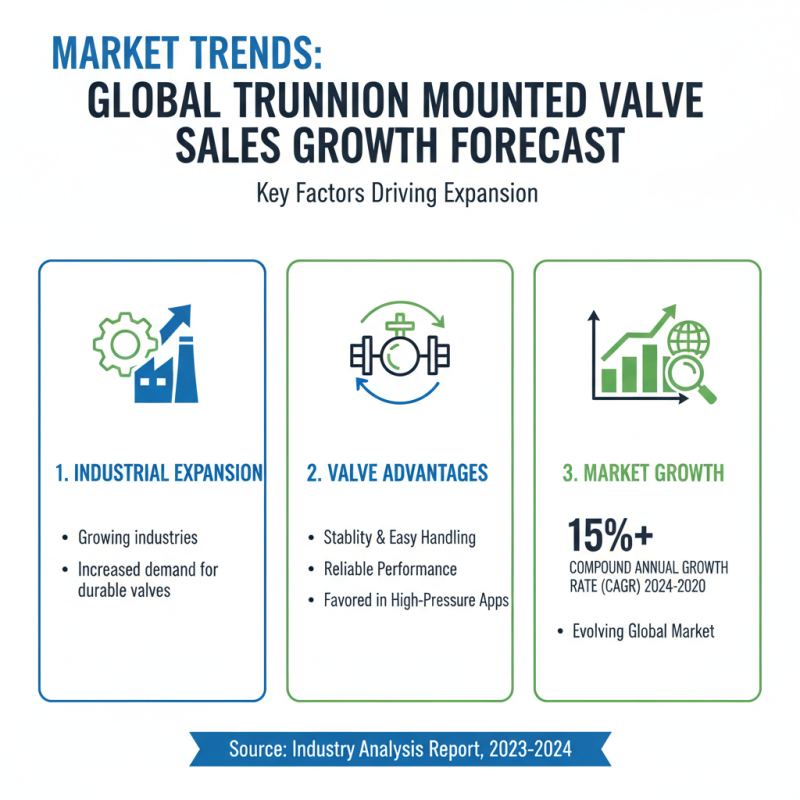
The global market for trunnion mounted valves is evolving. Several key factors are driving growth in this sector. As industries expand, the demand for durable and reliable valves increases. Trunnion mounted valves offer stability and easy handling. They are favored in high-pressure applications, which underlines their importance.
Regions such as Asia-Pacific are experiencing significant growth. This trend is tied to increased industrial activities and infrastructure projects. Countries are focusing on enhancing their energy sectors, leading to greater adoption of these valves. However, challenges remain. Manufacturers face raw material shortages and fluctuating prices. This affects production timelines and cost structures.
Environmental regulations are also impacting the market. Companies must adapt to stricter standards. This pressure encourages innovation in design and materials. While opportunities abound, the landscape is competitive. All stakeholders must stay informed about emerging technologies and market shifts. Balancing reliability with sustainability will be essential for future success.
Technical Specifications: Factors Influencing Trunnion Mounted Valve Choices
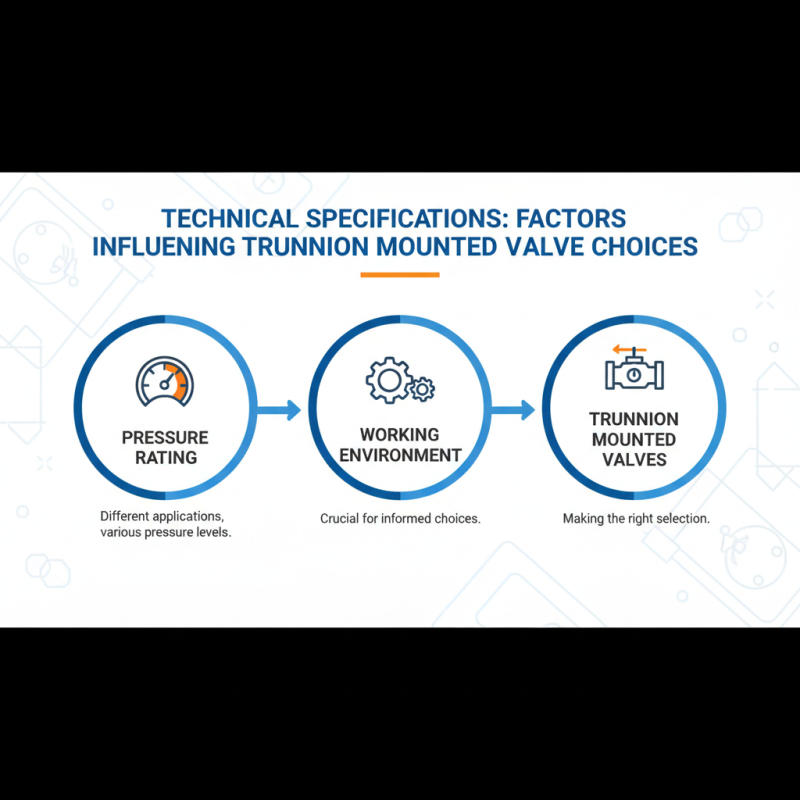
When considering trunnion mounted valves, multiple technical specifications come into play. One significant factor is the valve's pressure rating. Different applications require valves that can withstand various pressure levels. Understanding the working environment is crucial for making informed choices.
Another aspect is the material composition. Valves made from stainless steel offer corrosion resistance, while carbon steel may be more economical for specific environments. Buyers should assess the fluid type and temperature range that the valve must handle. This evaluation can help prevent potential failures.
The size and weight of the valve also matter. A heavier valve may withstand higher operational stresses, but it can complicate installation. Sometimes, users overlook the need for maintenance. Regular checks ensure the valve remains functional, thus reducing long-term costs. Finding the right balance between these factors can be challenging yet essential for optimal performance.