What is a Carbon Steel Ball Valve and Its Benefits?
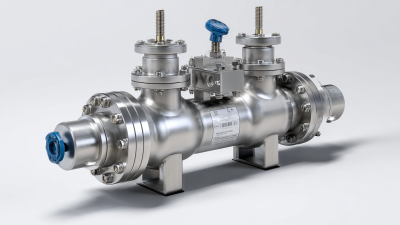
In the industrial world, the Carbon Steel Ball Valve stands out for its robust performance and reliability. John Smith, an industry expert in valve technology, once stated, "Carbon Steel Ball Valves offer unmatched durability, but they require careful selection for optimal use." This highlights the balance between their strength and the thoughtful choices needed to maximize their potential.
Carbon Steel Ball Valves are more than mere components; they play a crucial role in various systems. Their design allows for a tight seal and quick operation, making them ideal for high-pressure applications. However, they also come with challenges. Corrosion resistance can be an issue in certain environments. This aspect necessitates regular maintenance and awareness of the operating conditions.
Proper understanding of a Carbon Steel Ball Valve can save time and money. Yet, engineers sometimes overlook important details during selection. Misalignment with the system's needs can lead to failures. Awareness of materials and environmental factors is essential. Therefore, engaging with experts helps achieve the right choices in applications, enhancing performance and longevity.
What is Carbon Steel and Its Role in Valve Manufacturing?
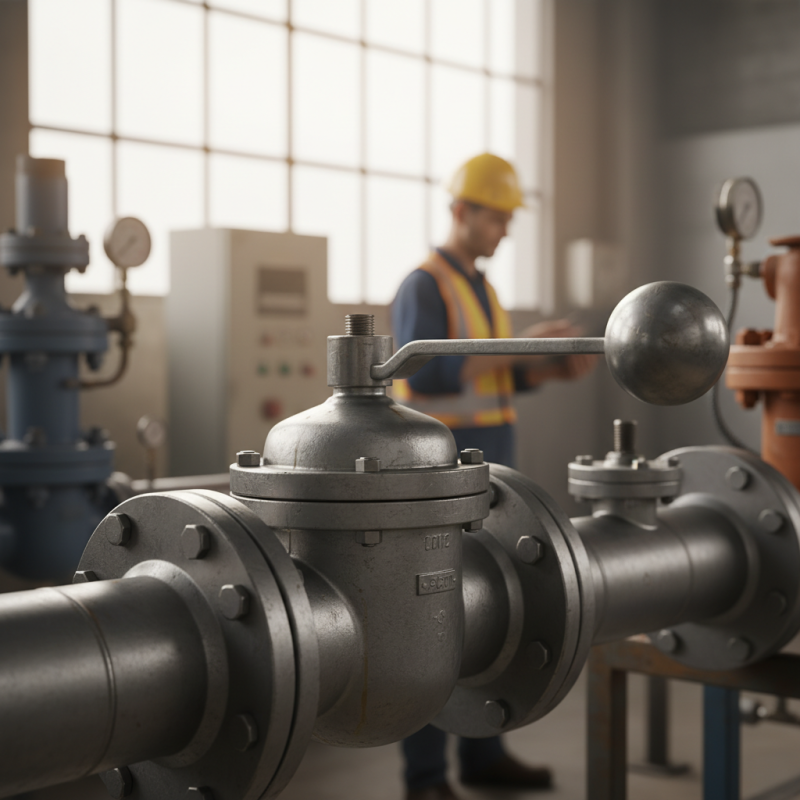
Carbon steel is a popular material in valve manufacturing. It consists mainly of iron and carbon. This combination offers strength and durability. In valves, these characteristics are essential. Carbon steel can withstand high pressures and temperatures, making it suitable for various applications.
It is also cost-effective. Many manufacturers prefer carbon steel for its balance of quality and affordability. However, this steel type can be prone to corrosion. Proper coatings or treatment are crucial to enhance its lifespan. Ignoring corrosion can lead to valve failure, a costly issue.
Tips: Regular maintenance checks can help identify early signs of wear. Always consider the environment when choosing materials. For carbon steel valves, a protective layer is often necessary. A well-thought-out choice can improve efficiency and save money.
What is a Carbon Steel Ball Valve and Its Benefits? - What is Carbon Steel and Its Role in Valve Manufacturing?
| Feature |
Description |
Benefits |
| Material |
Carbon Steel |
Durability and strength for long-term use |
| Type |
Ball Valve |
Provides excellent sealing capabilities |
| Applications |
Industrial, Oil & Gas, Water Supply |
Versatile usage across various sectors |
| Advantages |
Corrosion Resistance |
Longer lifespan compared to other valve types |
| Sizes Available |
½ inch to 24 inches |
Flexibility for different piping systems |
Understanding the Design and Functionality of Ball Valves
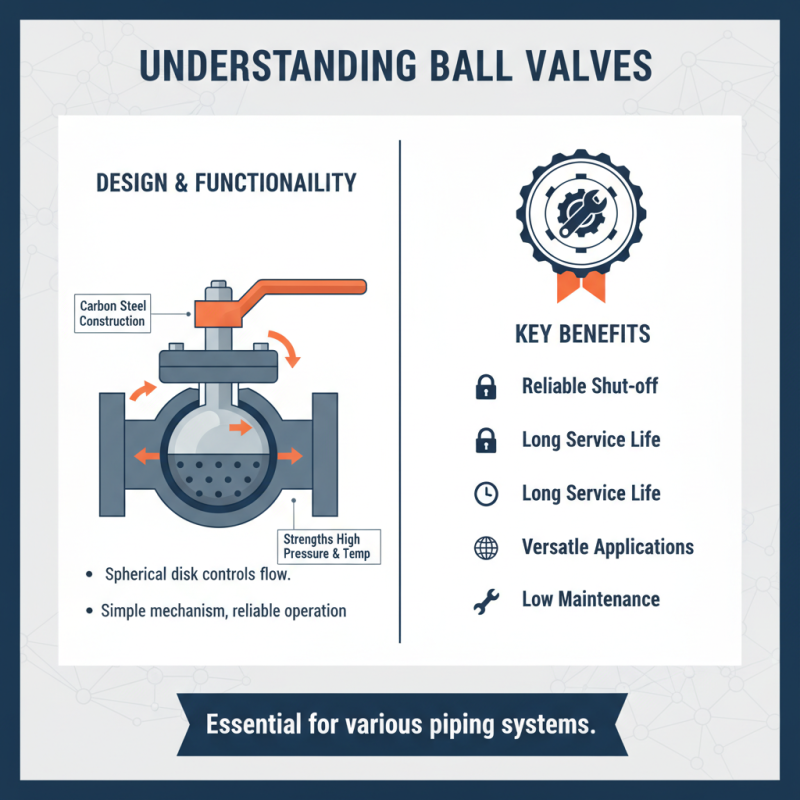
Ball valves are essential components in various piping systems. Their design features a spherical disk that pivots to control the flow of liquid or gas. This simple mechanism provides reliability in operation. Carbon steel is a popular material for these valves due to its strength and durability. The robust construction withstands high pressure and temperature variations, making it suitable for challenging environments.
In terms of functionality, ball valves offer quick opening and closing with a quarter turn. This design reduces the risk of leaks and can achieve a tight seal. Unlike other valve types, they have minimal flow restriction when fully open. This characteristic ensures efficient performance and reduced energy consumption. However, some users note that ball valves may not be ideal for throttling applications. They are better for on/off control rather than flow regulation.
While the benefits of carbon steel ball valves are clear, there are considerations. Corrosion resistance is essential, and regular maintenance is necessary. Users should also assess compatibility with the fluid being handled. This understanding can prevent potential failures or damages. Exploring these aspects helps users make informed choices.
Key Benefits of Using Carbon Steel Ball Valves
Carbon steel ball valves are widely recognized for their
robust design and efficiency in flow control. One key benefit
of using these valves is their durability. They can
withstand high pressure and temperature, making them suitable for various industrial applications. Their
resilient coating also enhances corrosion resistance, prolonging
their lifespan.
Another advantage is ease of operation. Carbon steel ball valves operate
smoothly, requiring minimal force to open or close. This feature allows
for quick and reliable switching in flow direction. Their compact design also saves space in pipeline systems,
making installation simpler.
However, it's worth noting that carbon steel valves may require regular maintenance to prevent wear. They can accumulate debris
if not kept clean. Users should ensure regular checks to sustain optimal performance. This added attention is necessary to maximize
their benefits effectively. Overall, carbon steel ball valves offer substantial advantages while also
demanding careful handling and maintenance.
Applications of Carbon Steel Ball Valves in Various Industries
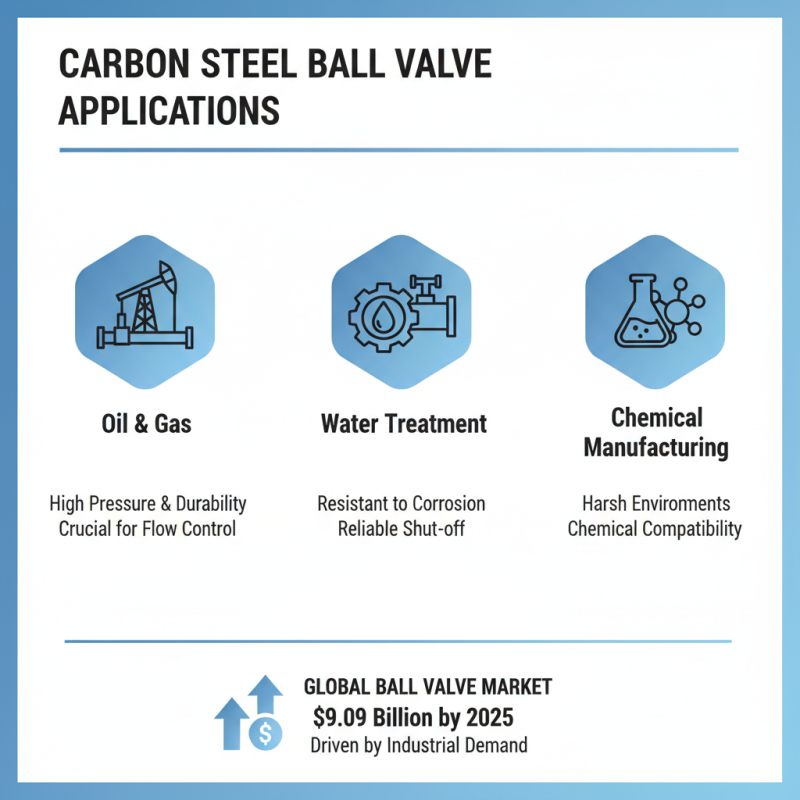
Carbon steel ball valves are crucial components in various industries. They are widely used in oil and gas, water treatment, and chemical manufacturing. Their durability and resistance to high pressure make them ideal choices in these demanding environments. According to a recent report by Markets and Markets, the global ball valve market is expected to reach USD 9.09 billion by 2025, driven by increasing demand for reliable flow control.
In the oil and gas sector, carbon steel ball valves handle harsh conditions, ensuring safe and efficient operation. In water treatment facilities, they control the flow of chemicals and filtered water. A study by Grand View Research indicates that the water treatment segment will grow significantly, underscoring the importance of reliable valves. However, maintenance challenges exist. Corrosion and wear can lead to failures if not addressed.
Tips: Regular inspections can prolong the life of carbon steel ball valves. Monitor for leaks or irregular noises. Address issues promptly to avoid costly downtime. Understanding the environment in which these valves operate is critical. This knowledge can lead to better material selection and design decisions, ultimately benefiting operational efficiency.
Maintenance Tips for Carbon Steel Ball Valves to Ensure Longevity
Maintaining carbon steel ball valves is crucial for their longevity. Regular inspections should be a priority. Look for signs of wear or corrosion. Even minor issues can lead to major failures later. Cleaning is essential. Dust and debris can accumulate, affecting performance. Use a soft cloth for gentle cleaning. Pay attention to the seals; they require regular checking. They can degrade over time.
Consider lubrication, too. Applying the right lubricant can help the valve operate smoothly. However, don't overdo it. Excess lubricant can attract dirt and grime. Make sure the valve is exercised periodically, especially in rarely used systems. This prevents sticking and ensures reliability.
Environmental factors play a significant role. If the valve is exposed to moisture or extreme temperatures, wear may accelerate. Protective coatings can mitigate these risks, but they need periodic reapplication. Identifying and addressing these environmental stresses is vital. Ignoring them can shorten the valve's lifespan, leading to unexpected failures.
Maintenance Benefits of Carbon Steel Ball Valves