2026 How to Choose the Best Forged Steel Ball Valve?
Choosing the right Forged Steel Ball Valve is crucial in various industries. According to John Smith, a leading expert in valve engineering, "The quality of your valve directly impacts system performance." This statement underscores the importance of making informed decisions.
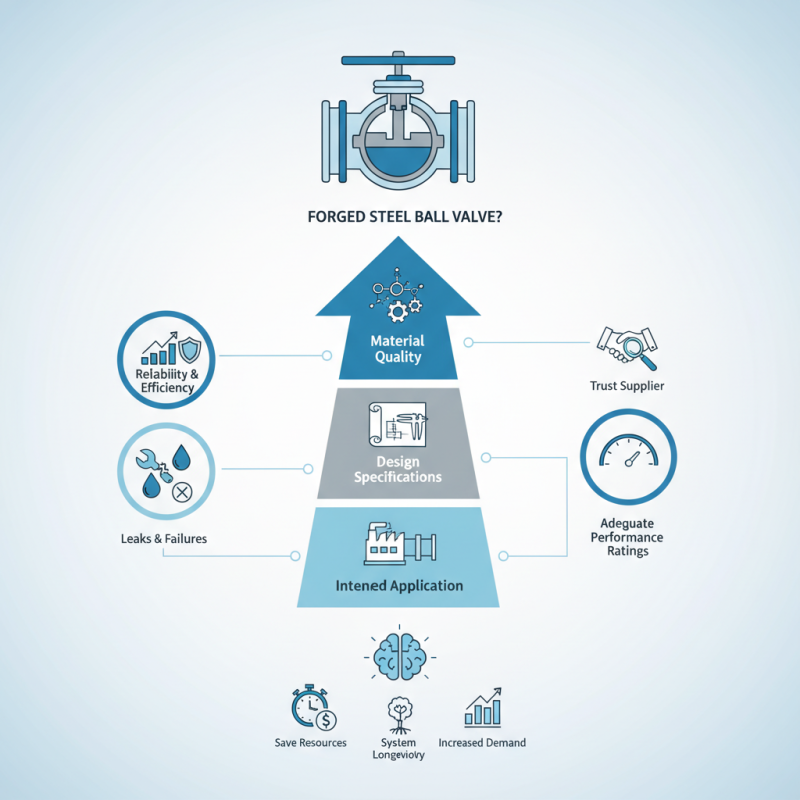
Many factors influence the selection of a Forged Steel Ball Valve. These include material quality, design specifications, and intended application. Understanding these elements can prevent costly mistakes. High-quality valves ensure reliability and efficiency in fluid control systems. On the other hand, poor choices may lead to leaks or premature failures.
A reflection on your needs is also vital. Can you trust the supplier? Are the performance ratings adequate? Taking time to evaluate your options could save resources and enhance system longevity. As industries advance, the demand for reliable Forged Steel Ball Valves increases. Prioritizing quality and expertise is not just wise; it is essential for success.
Understanding Forged Steel Ball Valves: Basics and Applications
Forged steel ball valves are essential components in various industries. They are known for their durability and reliability. These valves are typically used in high-pressure and high-temperature applications. Data shows that the global forged steel valve market is expected to reach $7.5 billion by 2026. This growth indicates the increasing demand for high-quality valves across sectors.
When selecting a forged steel ball valve, understanding the basics and applications is crucial. These valves are made through a forging process, providing strength and resistance to wear. Their applications span oil and gas, petrochemical, and water treatment industries. According to industry reports, these valves can withstand pressures up to 10,000 psi. However, not all applications may benefit from a forged valve. In some cases, standard valves may suffice.
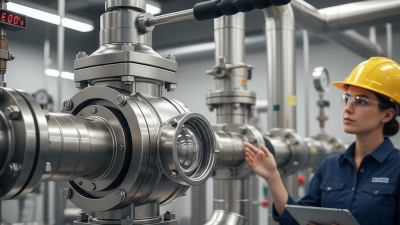
Consider the environment where the valve will be used. Temperature extremes can affect valve performance. Continuous exposure to harsh conditions may lead to failures. A forged steel ball valve may be over-engineered for less demanding applications. Assessing operational needs is vital. Ignoring these factors can result in costly maintenance and downtime. Be cautious with specifications and requirements to avoid misalignment with actual needs.
Key Factors to Consider When Choosing Forged Steel Ball Valves
When selecting forged steel ball valves, a few key factors come into play. The first is material quality. High-grade steel ensures durability and withstands high pressures. Look for valves that meet international standards. These details matter in industrial applications.
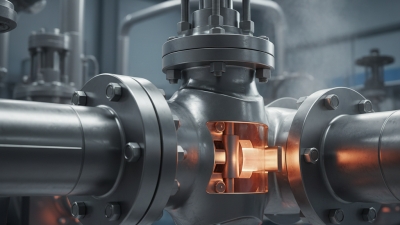
Another important aspect is the valve design. Forged steel valves typically offer better structural integrity. They resist leakage better than cast valves. A reliable sealing mechanism is crucial for efficiency. Pay attention to the seat design and the type of seals used. Always consider how these features affect long-term performance.
Don't overlook the size and connection type. Proper sizing affects flow rates and operation. Ensure compatibility with your existing piping systems. Sometimes, mismatches can lead to inefficiencies. The end connection type is equally important. Whether flanged, threaded, or welded, the choice impacts installation and future maintenance needs. Assure everything aligns with industry standards for safety and efficiency.
Comparing Different Types of Forged Steel Ball Valves
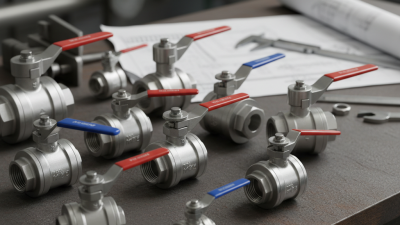
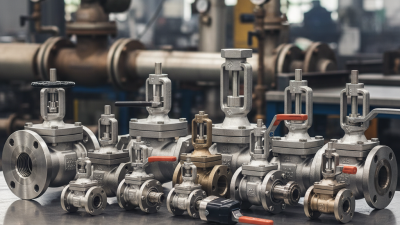
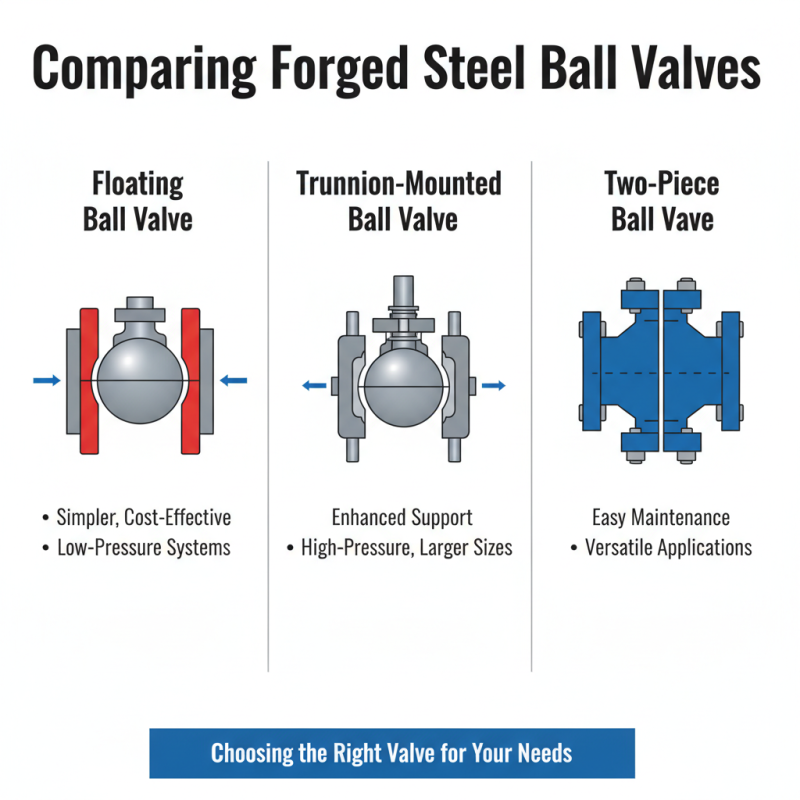
When choosing forged steel ball valves, understanding the differences among various types is crucial. Forged steel ball valves come in a variety of designs, each tailored for specific applications. The three main types include floating, trunnion-mounted, and two-piece ball valves. Floating valves are simpler and cost-effective. Their ball is held in place by the valve seats, making them suitable for low-pressure systems.
Trunnion-mounted ball valves, on the other hand, are ideal for high-pressure applications. They feature a shaft and are designed to handle larger volumes. Their durability and strength make them suitable for critical processes. Two-piece valves offer easy maintenance with a simple design. However, they can be less reliable in extreme conditions.
Each type has its unique advantages and limitations. It's important to evaluate the operational requirements before deciding. Consider pressure ratings, temperature ranges, and medium types. Some users may prefer simplicity over durability, while others may prioritize performance. Balancing these factors ensures you select the best fit for your specific needs. Understanding these aspects requires experience and knowledge in the field.
Common Material Standards and Specifications for Ball Valves
When selecting the best forged steel ball valve, understanding material standards is crucial. Common standards include ASTM A216 for cast steel and ASTM A182 for forged steel. These specifications dictate the chemical composition and mechanical properties, ensuring reliability and performance. High-quality forged steel often comes from rigorous manufacturing processes, resulting in improved strength and resistance to corrosion.
Another essential specification is the pressure rating. The American National Standards Institute (ANSI) provides guidelines. For instance, ANSI Class 150 valves offer a standard pressure rating suitable for many applications. However, not all applications fit within this category. It's vital to consider factors like temperature and medium compatibility. Overlooking these criteria could lead to premature valve failure.
In addition, reviewing ISO standards can offer insights into international practices. For instance, ISO 17292 addresses various types of ball valves. However, the real-world application sometimes diverges from these standards. End-users should remain aware of specific needs based on their systems. Customization might be necessary, even if it seems more complex. Understanding standards can enhance decision-making. Yet, it still requires a nuanced view of each specific situation.
2026 How to Choose the Best Forged Steel Ball Valve? - Common Material Standards and Specifications for Ball Valves
| Material Standard |
Material Grade |
Specifications |
Pressure Rating |
Temperature Range |
| ASTM A105 |
A105 |
API 607 |
Class 150 to Class 300 |
-29°C to 121°C |
| ASTM A350 |
LF2, LF3 |
API 598 |
Class 150 to Class 600 |
-29°C to 205°C |
| ASTM A316 |
316 |
NACE MR0175 |
Class 150 to Class 900 |
-196°C to 450°C |
| ASTM A694 |
F42, F52 |
ISO 9001 |
Class 150 to Class 2500 |
-29°C to 38°C |
Maintenance Tips for Enhancing the Longevity of Forged Steel Ball Valves
Forged steel ball valves are crucial in many industries. Proper maintenance ensures their longevity and efficiency. Regular inspections are essential. This includes checking for leaks and monitoring the valve's functionality. According to industry reports, neglecting maintenance can lead to costly downtime and system failures.
To maintain forged steel ball valves, lubrication is key. Using the correct lubricant prevents corrosion. Periodic cleaning of the valve surfaces helps maintain optimal performance. Ensure that the sealing surfaces are free from debris. A clean valve reduces wear and extends life.
Additionally, always monitor operating parameters. Unusual pressure or temperature changes can indicate potential issues. Address these warnings promptly. It’s also vital to adhere to manufacturer recommendations for maintenance intervals. Keeping detailed records of maintenance activities can help track the valve's performance over time. Regular attention can make a significant difference, enhancing reliability and safety.