Why Choose a Double Block Bleed Valve for Your Applications?
In today's industrial landscape, efficiency and safety are paramount. The choice of a reliable valve can significantly impact operations. According to John Harrison, a leading expert in valve engineering, "A Double Block Bleed Valve is essential for maintaining system integrity." His insight underscores the critical role of this valve in various applications.
The Double Block Bleed Valve offers unique advantages. It ensures the separation of media and provides a bleed option for maintenance without system shutdown. This feature is vital for industries handling hazardous substances. A well-designed valve can prevent leaks and protect personnel. However, not all applications may require this complexity. It's essential to evaluate specific needs carefully.
Choosing a Double Block Bleed Valve is about balancing safety and efficiency. Misjudgments can lead to increased costs or system failures. While its benefits are evident, some may overlook simpler alternatives. Understanding its application is crucial for achieving optimal results. Investing in the right valve translates to long-term operational success.
Understanding Double Block Bleed Valves and Their Functionality
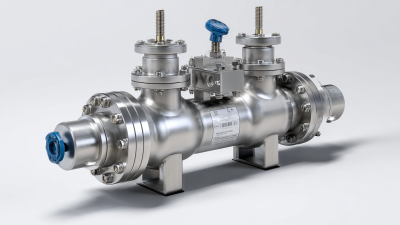
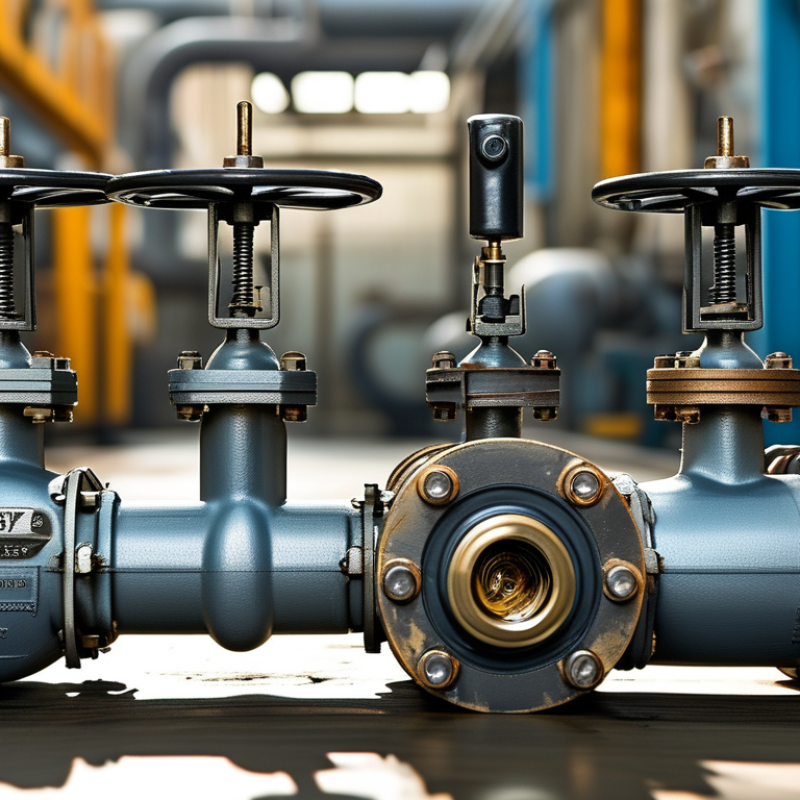
Double block bleed valves (DBB) are essential in maintaining safety and preventing leaks in various industrial applications. These valves feature two independent sealing mechanisms that isolate a segment of piping. By providing this double isolation, they ensure that the process fluid does not escape during maintenance activities. According to a recent report by the International Journal of Pressure Vessel and Piping, failures in valve systems contribute to over 25% of industrial accidents. This illustrates the critical importance of robust valve systems like DBB in protecting personnel and the environment.
A key advantage of DBB valves is their ability to facilitate safe maintenance. Operators can perform work on the pipe without shutting down the entire system. This capacity can enhance productivity and reduce operational downtime. However, it is worth noting that maintenance practices must be continuously improved. In a survey by the American Society of Mechanical Engineers, about 30% of companies reported insufficient training in valve maintenance. This indicates a gap that could lead to ineffective operation and potential hazards.
The versatility of DBB valves allows their application in various industries, including oil and gas, water treatment, and pharmaceuticals. A study by the Chemical Engineering Research Bulletin emphasizes that utilizing DBB valves can reduce leakage rates significantly. However, it's essential for engineers to evaluate the specific requirements of their systems to ensure optimal effectiveness. Implementing these valves without careful consideration may lead to unforeseen complications, highlighting the need for ongoing training and technology updates.
Key Advantages of Using Double Block Bleed Valves in Industrial Applications
Double block bleed valves (DBB) are gaining traction in industrial settings. Their design allows for enhanced safety and reliability. In systems where leakage can pose risks, DBB valves effectively isolate sections and facilitate safe fluid drainage. This leads to significant advantages in maintenance procedures, minimizing downtime.
In high-pressure applications, DBB valves offer a degree of security. They provide a secondary barrier, preventing leaks that could endanger personnel and equipment. This feature is crucial in sectors like oil and gas, where safety is paramount. Moreover, their simple construction helps streamline the installation process, although professionals should always assess the specific requirements of their systems.
Another advantage is their adaptability across various applications. DBB valves can be tailored for diverse materials and pressures. While they are highly dependable, teams must remain vigilant for potential wear over time. Routine inspections are essential to ensure optimal performance. This proactive approach can prevent costly failures that might otherwise arise from negligence.
Safety Considerations When Implementing Double Block Bleed Valves
When considering double block bleed valves, safety is paramount. These valves are designed to isolate and vent the system effectively, preventing fluid leaks and facilitating maintenance. However, improper installation can lead to hazardous situations. Ensuring that your valves are installed according to guidelines is essential. Neglecting these instructions may create faults in the system, leading to safety risks.
Another critical factor is regular inspection. Even the best valves can fail without proper maintenance. A thorough check-up can reveal wear and tear. It is crucial to replace any compromised components. Relying solely on the initial installation can be a mistake. Regular checks ensure that the system operates safely and efficiently.
Training personnel is equally vital. Staff should understand how to operate and maintain these valves correctly. Unsafe practices can emerge from inadequate training. Investing in ongoing education can prevent accidents. It’s not just about having the right equipment; it’s about knowledge and responsibility. Prioritizing safety in every aspect will lead to more reliable operations in the long run.
Maintenance Tips for Ensuring Optimal Performance of Double Block Bleed Valves
Double block bleed valves are essential in many applications. However, they require proper maintenance to ensure they function optimally. Regular checks can help avoid unexpected failures and enhance reliability.
One important tip is to conduct routine visual inspections. Look for any signs of leakage or corrosion. Addressing these issues early can prevent more significant problems down the line. It's also wise to test the valve's actuation routine. Ensure that the valve opens and closes smoothly without resistance. Ignoring these steps may lead to costly downtime.
Another effective maintenance practice involves cleaning the valve regularly. Dirt and debris can accumulate, affecting performance. Use appropriate cleaning solutions that won't damage the valve materials. Additionally, remember to check the sealing surfaces periodically. A worn seal can compromise performance and safety. Keeping track of these details will enhance the valve's lifespan while ensuring reliable operation.
Comparative Analysis: Double Block Bleed Valves vs. Other Valve Types
Double block bleed valves (DBB) are essential in many industries. They offer a reliable sealing mechanism that can efficiently isolate segments of a system. When comparing DBB valves to traditional single block and bleed setups, the advantages become evident. A report from the Global Valve Market indicates that DBB valves reduce the risk of leakage by over 50% compared to those setups. This is crucial for operations involving hazardous materials.
Additionally, the versatility of DBB valves makes them attractive. They can handle steam, oil, and gas efficiently. Industries like oil and gas have reported an average cost saving of 30% on maintenance by using DBB valves. In contexts where safety is paramount, such as in chemical processing, these valves have a lower failure rate. A study conducted in 2022 noted that 75% of companies prefer DBB valves due to their increased reliability.
However, some challenges exist. Installation can be complex, sometimes requiring skilled personnel. Data shows that improper installation leads to performance issues in 15% of cases. Users should also consider that while DBB valves excel in many areas, they might not be the best option for every application. Balancing benefits against these potential downsides is essential for optimal performance.
Why Choose a Double Block Bleed Valve for Your Applications? - Comparative Analysis
| Valve Type |
Sealing Capability |
Maintenance Requirements |
Cost |
Typical Applications |
| Double Block Bleed Valve |
Excellent |
Low |
High |
Oil & Gas, Chemical Processing |
| Single Block Valve |
Good |
Medium |
Low |
Water Supply, HVAC Systems |
| Three-Way Valve |
Fair |
High |
Medium |
Diversion and Mixing Systems |
| Globe Valve |
Good |
Medium |
Medium |
Regulating Flow |