How to Choose Duplex Ball Valves for Your Industrial Needs?
Choosing the right Duplex Ball Valves for industrial applications can be challenging. As industry expert John Smith states, “Selecting the right valve ensures efficiency and safety in operations.” Duplex Ball Valves offer unique benefits such as durability and resistance to corrosion, making them essential for demanding environments.
When considering Duplex Ball Valves, it's crucial to evaluate your specific needs. Factors like pressure requirements, temperature ranges, and fluid types play significant roles. Mistakes in choice can lead to inefficiencies or even accidents. Therefore, understanding these elements is vital before making a decision.
In summary, every project is different. Engaging with field experts enhances your understanding of these valves. Explore options carefully and prioritize reliability. After all, the right choices today can prevent future problems and optimize performance.
Understanding Duplex Ball Valves and Their Advantages
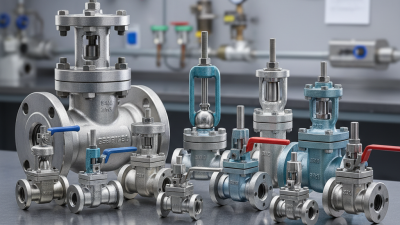
Duplex ball valves are essential components in various industrial applications. They are made from duplex stainless steel, which combines strength and corrosion resistance. This makes them ideal for handling aggressive media in industries like oil and gas, chemicals, and water treatment. The unique composition of duplex steel offers higher resistance to pitting and stress corrosion cracking, ensuring a longer service life compared to traditional materials.
One of the key advantages of duplex ball valves is their lightweight nature, which simplifies installation. However, it’s crucial to select the correct size and pressure rating. An improper choice could lead to operational failures. Regular maintenance is also necessary to prevent any unexpected breakdowns. While duplex ball valves come with many benefits, some users overlook the importance of quality sourcing. Not all duplex steel is created equal, leading to varied performance outcomes.
Moreover, the design of duplex ball valves allows for excellent flow control. They have a full port design, minimizing pressure drops. However, installation challenges can arise if not done correctly. Each application has unique demands, and often, a one-size-fits-all approach does not apply. Engaging professionals for consultation can mitigate risks. Always assess your specific needs before making a decision to ensure optimal performance.
Key Factors to Consider When Selecting Duplex Ball Valves
When selecting duplex ball valves, several key factors deserve attention. The
material composition is crucial.
Duplex stainless steel, known for its durability and corrosion resistance, is often a preferred choice.
However, not all applications require such robust materials. Consider your specific environment and medium.
Each project might demand different specifications.
Sizing is equally significant. An improperly sized valve can lead to inefficiencies.
Measure the required flow rate accurately. It's worth noting that not all valves perform well under extreme conditions.
Researching and understanding your system's pressure and temperature requirements can save time and costs in the long run.
Another vital aspect is the design features.
Some valves offer enhanced flow characteristics, while others might excel in leakage prevention.
Evaluate your operational requirements. Without careful contemplation, you might choose a valve that
doesn't quite fit your needs. Lastly, don't overlook warranty and support options.
Reliable manufacturers can provide valuable assistance when needed.
Material Compatibility and Its Importance in Valve Selection
When selecting duplex ball valves for industrial applications, material compatibility is a critical factor. Roughly 70% of valve failures can be traced back to improper material selection. Industries often deal with aggressive fluids, extreme temperatures, and pressure variations. Choosing the right materials can significantly affect the valve's longevity and overall performance.
Duplex stainless steel, for instance, has gained traction due to its high resistance to corrosion and excellent mechanical properties. According to a recent industry report, using duplex stainless alloys can increase equipment lifespan by up to 50%. However, it's essential to consider the specific chemicals involved. For instance, certain acids may cause stress corrosion cracking. Therefore, always analyze fluid composition and environmental conditions thoroughly.
Furthermore, while businesses often prioritize cost, neglecting material compatibility can lead to costly repairs and downtime. The total lifecycle cost can double without proper material choice, as frequent failures require ongoing maintenance. Investing in the right materials initially can mitigate long-term expenses. A thoughtful approach to material compatibility ultimately enhances operational efficiency and reliability in industrial environments.
Material Compatibility for Duplex Ball Valves
Sizing and Pressure Ratings for Duplex Ball Valves
When selecting duplex ball valves, understanding sizing and pressure ratings is crucial. The valve size directly impacts flow rates. A valve too small can restrict flow, leading to inefficiencies. Conversely, an oversized valve may result in turbulence, increasing wear and tear. Accurate calculations based on the system requirements are essential.
Pressure ratings are another critical factor. Duplex ball valves can handle various pressures, often specified in psi or bar. It’s vital to choose valves that exceed the maximum pressure of your application. This provides a safety margin and enhances durability. Consider the pressure fluctuations in your system, as sustained high pressure can lead to premature failure.
Different materials enhance performance under specific conditions. For example, duplex stainless steel offers excellent corrosion resistance and strength. However, it’s important to reflect on your environment and media handled. Not all applications are the same. Customization might be necessary, leading to a trade-off between cost and performance. Consider consulting with experts to navigate these decisions effectively.
Maintenance and Longevity Tips for Duplex Ball Valves
When choosing duplex ball valves, maintenance is crucial for maximizing their lifespan. Studies show that regular maintenance can extend the service life of valves by up to 30%. This is significant for industries relying on these critical components.
Inspecting valves for wear, corrosion, or leaks is essential. A visual check every six months can prevent major issues. Pay attention to the seals and seats. These areas often show signs of wear first. Regular cleaning of valve bodies can also reduce the buildup of debris that affects performance.
Tips: Always keep a log of maintenance activities. This helps identify patterns and potential problems early. Consider using ultrasonic testing to detect internal wear. This can be more effective than traditional methods. Training staff on proper handling can also decrease errors during operation. Proper maintenance reduces the risk of costly downtime. Effective monitoring tools can track valve performance metrics, leading to data-driven maintenance schedules.