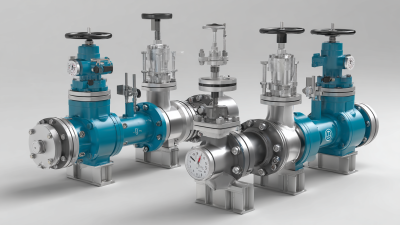
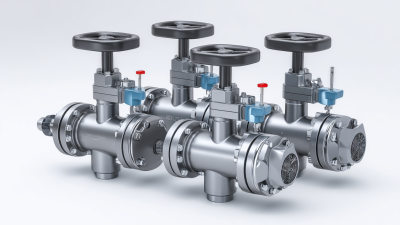
Why Choose Manual Ball Valves for Your Industrial Needs?
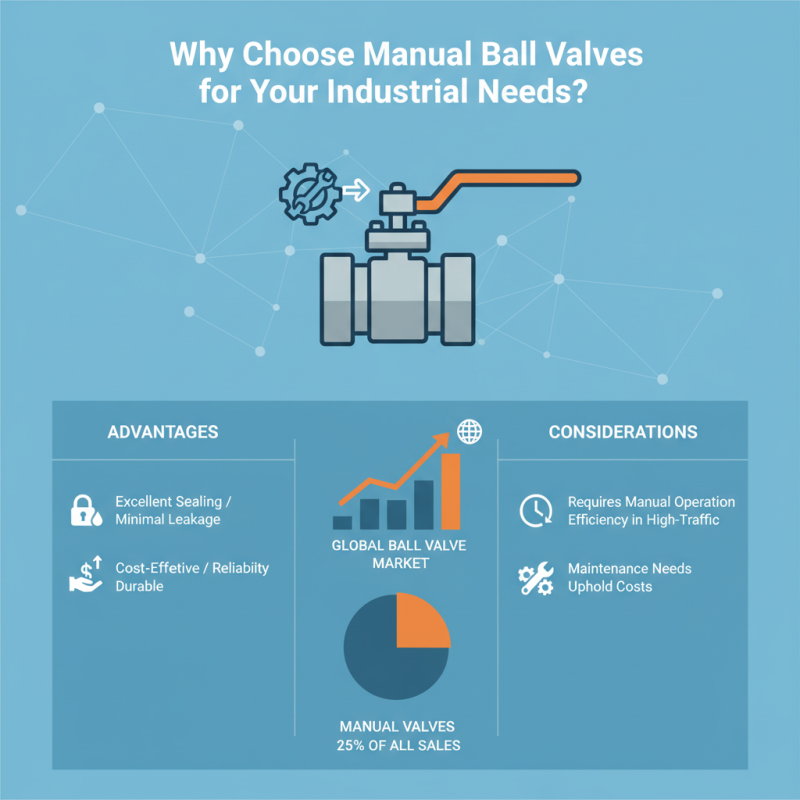
In the realm of industrial applications, the choice of valves significantly impacts operational efficiency and safety. Among various options, Manual Ball Valves have emerged as a preferred solution for many industries. According to the latest report by ResearchAndMarkets, the global ball valve market is expected to reach $9.23 billion by 2026, highlighting the growing reliance on these components.
Manual Ball Valves stand out for their simplicity and reliability. They offer excellent sealing, ensuring minimal leakage and enabling precise flow control. A study by the Valve Manufacturers Association indicates that manual valves account for approximately 25% of all valve sales, showcasing their essential role in industrial systems. These valves are particularly beneficial in applications where frequent adjustments are not necessary.
Despite the advantages, it is essential to recognize the limitations of Manual Ball Valves. They require manual operation, which can lead to inefficiencies in high-traffic environments. Additionally, maintenance needs may arise, challenging users to balance operational demands with upkeep costs. Yet, the unwavering benefits of choosing Manual Ball Valves are evident in industries aiming for cost-effective solutions with a focus on durability.
Advantages of Manual Ball Valves in Industrial Applications
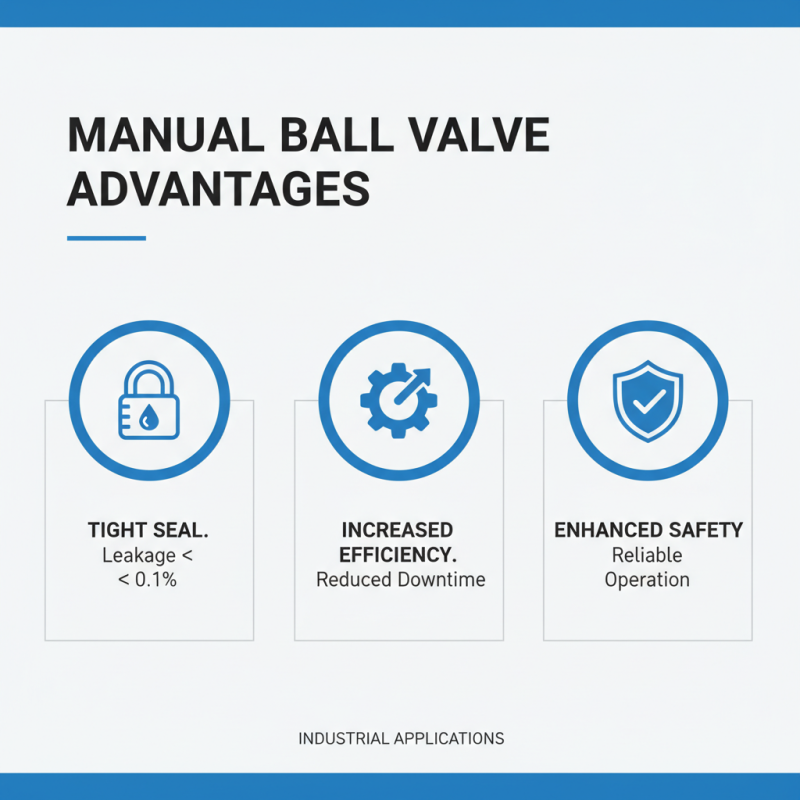
Manual ball valves are crucial in industrial applications, offering several significant advantages. These valves provide a tight seal, preventing leaks in various systems. According to industry reports, manual ball valves achieve a leakage rate of less than 0.1%, enhancing system efficiency and safety.
Their simplicity is another advantage. Manual ball valves are easy to operate and maintain. Personnel can quickly open or close the valves without complex machinery. This feature saves time, which is essential in high-pressure environments. In fact, maintenance costs for manual ball valves can be 20-30% lower than other valve types.
Durability adds to the appeal. Manual ball valves typically withstand high pressures and temperatures. Many can handle pressures over 600 psi, making them suitable for heavy-duty applications. However, operators must consider the right materials for specific environments. Stainless steel or brass may be preferable for corrosive substances. Choosing the right valve requires careful assessment to avoid potential failures. Thus, while manual ball valves are reliable, selection involves understanding operational contexts.
Key Features of Manual Ball Valves for Enhanced Performance
Manual ball valves are essential for industrial applications, offering unique features that enhance performance. Their straightforward design allows for easy operation. Users can rely on these valves for reliable flow control in various processes. According to a report from the International Society of Automation, 70% of industrial sectors prefer manual valves for their durability and ease of maintenance.
One key feature is the full bore design. This design minimizes pressure drops. Data shows that systems using full bore ball valves experience a 25% increase in flow efficiency. They also have low torque requirements, making them ideal for high-torque operations. However, it’s important to consider that manual valves require regular maintenance to prevent wear and tear, which can lead to performance issues.
Another notable aspect is their versatility. Manual ball valves can handle liquids, gases, and slurries effectively. The ability to withstand high pressures adds to their appeal in industries like oil and gas. However, some users report challenges with installation and adjustment. It's crucial to assess specific project needs carefully. This ensures optimal performance and longevity of the valves in their designated environments.
Key Features of Manual Ball Valves for Enhanced Performance
Comparison of Manual Ball Valves with Other Valve Types
When comparing manual ball valves to other valve types, several factors stand out.
Manual ball valves are widely praised for their durability and ease of use.
According to a 2021 industry report, they are often preferred in applications requiring tight sealing.
These valves have a simple design, allowing for straightforward maintenance.
This makes them suitable for various industrial applications, from water to chemical processing.
In contrast, other valve types such as gate or globe valves can often complicate workflows.
While they may offer advantages in specific scenarios, their maintenance can be more intensive.
A study by the International Valve Association noted that manual ball valves can maintain performance with less frequent servicing.
This is a significant consideration for minimizing downtime in industrial operations.
Tip: When selecting a valve, consider the application pressure and temperature.
This ensures you choose the right material for optimal performance.
Additionally, remember that while manual ball valves are reliable, they may require periodic checks to ensure proper function.
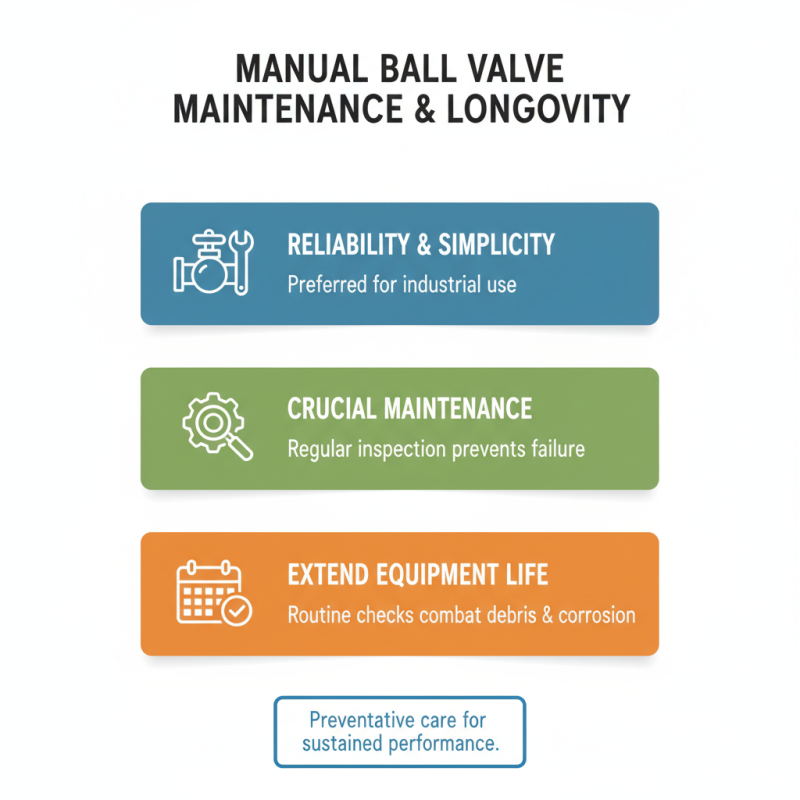
Regular assessment can prevent unexpected failures and ensure the longevity of your industrial systems.
Factors to Consider When Selecting Manual Ball Valves
When selecting manual ball valves for industrial applications, several factors come into play. Material compatibility is crucial. Different fluids require specific materials. Stainless steel, for instance, offers excellent durability and corrosion resistance. Conversely, PVC may be suitable for less corrosive substances.
Pressure and temperature ratings also matter. Ensure the valve can handle the expected conditions. A valve with insufficient ratings may lead to failures. Consider the size of the system. Proper sizing guarantees optimal flow and prevents pressure drops.
**Tips:** Always consult industry standards when choosing a valve. This can guide material and design selection. Never overlook maintenance requirements. Regular checks help avoid unexpected downtime.
Lastly, evaluate the actuator type. Manual operation can provide simplicity. However, consider if automation could enhance efficiency in your setup.
The selection process can be complicated and may require trial and error. It’s essential to analyze performance data from similar systems. This can inform better choices and lead to long-term reliability.
Why Choose Manual Ball Valves for Your Industrial Needs?
| Feature |
Description |
Applications |
Advantages |
| Material |
Available in various materials including stainless steel, brass, and PVC |
Pipelines, HVAC, Water treatment |
Corrosion resistant and durable |
| Size |
Ranges from 1/4" to 12" depending on the model |
Industrial machinery, Oil and gas |
Versatile sizing for various applications |
| Operation |
Manual operation via lever or handle |
Process control, Water distribution |
Simple operation and maintenance |
| Pressure Rating |
Typically rated up to 600 PSI |
High-pressure systems, Chemical processes |
Handles high flow rates efficiently |
| Seal Type |
PTFE, NBR, and more options available |
Pesticide and chemical handling |
Ensures leak-free operation |