How to Choose Forged Steel Ball Valve for Global Procurement?
In the competitive landscape of global procurement, selecting the right Forged Steel Ball Valve is critical. Industry reports indicate that the demand for these valves has been growing steadily. The global market for valves is projected to reach $80 billion by 2025, with forged steel ball valves representing a significant segment. The durability and reliability of these valves make them essential in various applications, including oil and gas, water treatment, and chemical processing.
When choosing a Forged Steel Ball Valve, understanding the specifications is vital. Not all valves are created equal. Factors such as pressure rating, temperature limits, and material composition can greatly impact performance. According to a recent study by MarketsandMarkets, improper valve selection can lead to costly operational failures. Companies must ensure that they align their needs with industry standards to avoid unnecessary risks.
However, many procurement professionals overlook essential details in their selection process. Cost is often prioritized over quality. This can result in long-term challenges and safety hazards. A thorough evaluation of potential suppliers and their certifications is essential. The goal should be to balance cost, quality, and reliability. The right Forged Steel Ball Valve can lead to significant operational efficiencies and peace of mind in high-stakes environments.
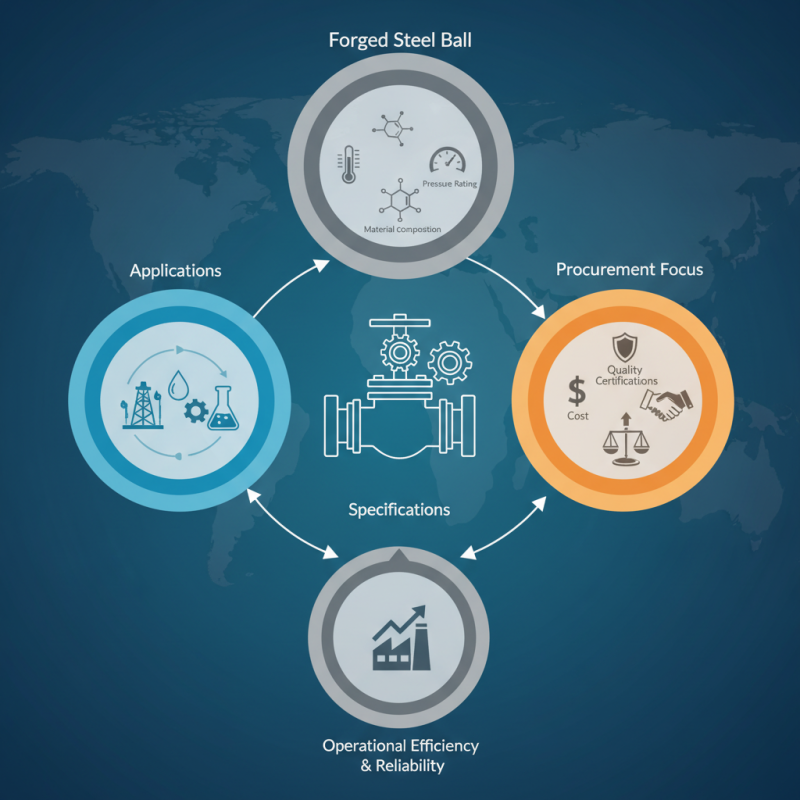
Understanding the Basics of Forged Steel Ball Valves
Forged steel ball valves are critical components in many industries. Understanding their basics is essential for anyone involved in procurement. These valves are known for their strength and durability, making them suitable for high-pressure systems. They are typically made from solid steel, which enhances their resilience compared to cast valves.
A key feature of forged steel ball valves is their overall design. The ball inside the valve rotates, allowing for smooth flow control. This mechanism reduces turbulence and pressure drop, improving system efficiency.
Sizing and material choices are crucial. Proper sizing ensures a tight seal and prevents leaks, which can lead to safety hazards.
When evaluating options, consider factors such as temperature, pressure, and fluid type. These factors influence the performance and longevity of the valve. Remember, not all forged steel ball valves are created equally. Some may corrode or fail under specific conditions, leading to costly repairs.
The right selection process involves asking tough questions and reflecting on potential risks. Balancing cost with reliability is a challenge many face.
Key Specifications to Consider for Global Procurement
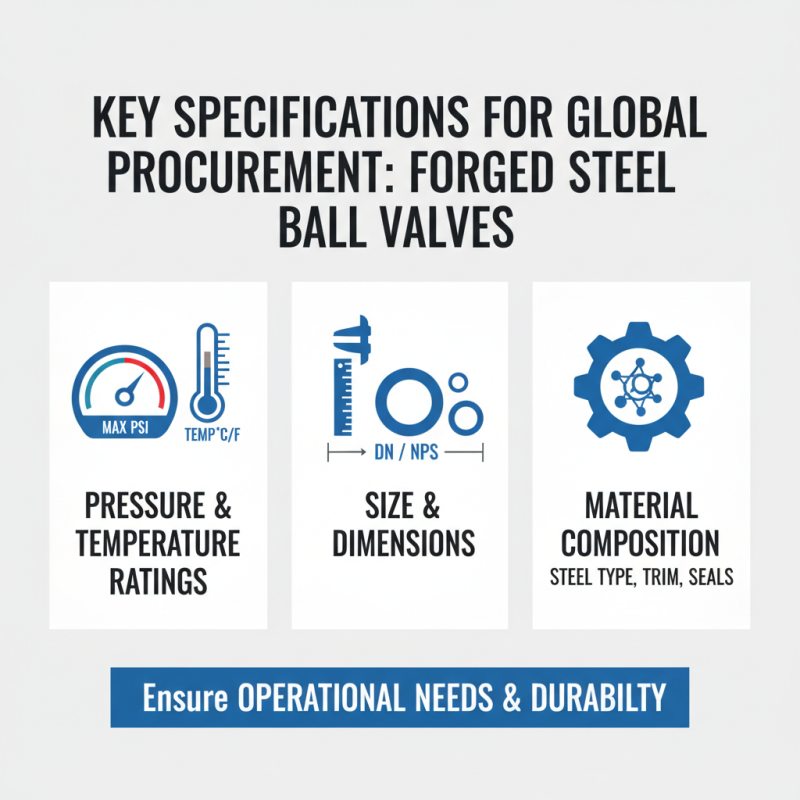
When choosing a forged steel ball valve for global procurement, certain specifications should guide your decision. Focus on parameters like pressure rating, size, and material composition. It's essential to select a valve that meets the operational needs of your specific application. Look for information on the valve's maximum pressure and temperature ratings. Understanding these limits can enhance safety and durability.
Tip: Always verify the materials used in the valve construction. High-quality steel, resistant to corrosion and wear, ensures longevity. Pay attention to the valve's compliance with international standards. This guarantees that the product meets reliability and quality expectations.
Additionally, consider the valve's design features. Easy maintenance access can save time and reduce costs in the long run. Evaluate the availability of spare parts and support services as this impacts operational efficiency. Engagement with suppliers is crucial; assess their industry experience and technical expertise. This builds a foundation of trust and ensures you make informed decisions.
Evaluating Manufacturer Reliability and Certifications
When selecting a forged steel ball valve for global procurement, evaluating manufacturer reliability is crucial. Reliable manufacturers often have robust quality management systems in place. Look for certifications that display their commitment to quality. Certifications such as ISO 9001 indicate a focus on quality control processes. This helps ensure that the products meet international standards.
However, not all certifications may be relevant to your needs. Some manufacturers may boast certifications that are outdated or not applicable. It's essential to verify the authenticity of these credentials. Researching the manufacturer’s background can provide insights into their operational history. Check reviews and testimonials from prior clients. A manufacturer with a solid reputation likely has experience in meeting diverse market needs.
Working with reliable manufacturers helps reduce the risk of defects and failures. Not all products are created equal. Understanding the reliability of the supplier impacts procurement decisions. Inconsistencies in quality can lead to costly delays and disruptions. Keep these factors in mind as you navigate the complexities of global procurement.
Forged Steel Ball Valve Manufacturer Reliability Evaluation
Analyzing Cost-Effectiveness in Bulk Purchases
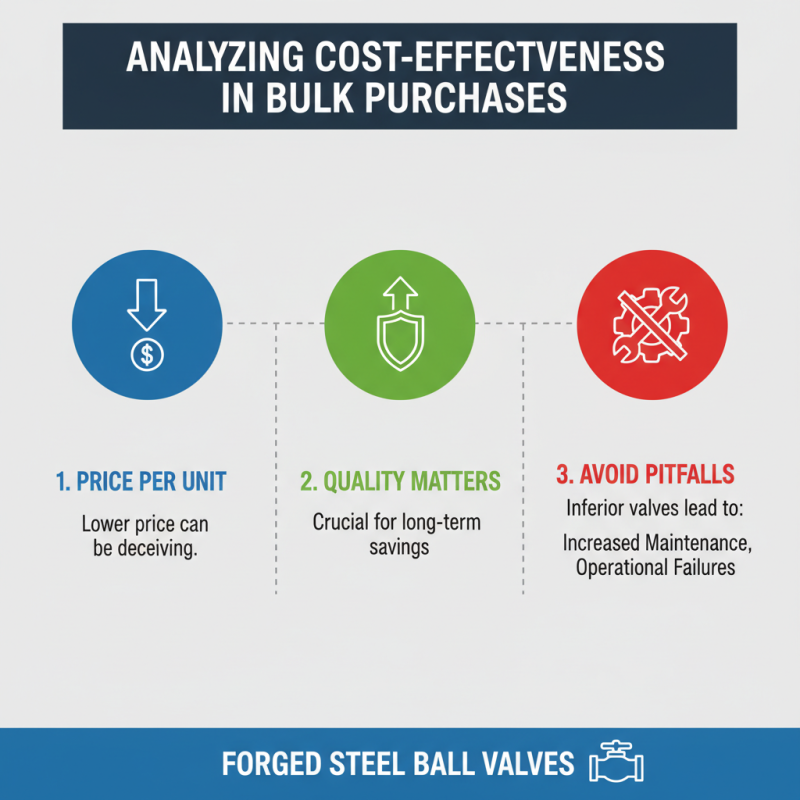
When considering bulk purchases of forged steel ball valves, cost-effectiveness becomes a critical factor. Analyzing the price per unit is fundamental. A lower price may seem tempting, yet quality must not be compromised. Inferior valves could lead to increased maintenance costs and operational failures.
Conduct thorough research to find suppliers who provide transparent pricing structures. Ask for detailed quotations, including all potential hidden charges. This ensures clarity before making commitments. Consider the total cost of ownership, including installation and maintenance. Sometimes, spending a bit more upfront leads to greater savings over time.
Additionally, assess the reliability of suppliers. Look for those with proven experience and positive reviews. Engaging with industry experts can provide insights into vendor reputations. A supplier with a solid track record can significantly enhance your procurement strategy. Remember, the goal is to find not just the cheapest option, but the best value for your investment.
Best Practices for Shipping and Handling Forged Steel Valves
When shipping and handling forged steel ball valves, it’s crucial to ensure their integrity. These valves are commonly used in demanding environments, which makes careful handling essential. Using appropriate materials for packaging is vital. Bubble wrap can prevent damage during transport. A sturdy wooden crate serves as an excellent outer layer of protection.
Tips: Always check the weight and dimensions of the valves. This helps in choosing the correct shipping method. Some damages might not be obvious at first glance. Look for deformations or scratches upon arrival.
The logistics process also demands attention. Delays can affect the quality of the valves if not managed properly. Keeping an eye on temperature variations is crucial. Extreme temperatures can alter the properties of the steel. Documenting every step can provide accountability and clarity.
Tips: Consider using tamper-proof seals. This adds an extra layer of security. Regular audits of packaging processes can uncover areas for improvement. Acknowledging these areas can lead to more efficient practices in future shipments.
How to Choose Forged Steel Ball Valve for Global Procurement? - Best Practices for Shipping and Handling Forged Steel Valves
| Dimension |
Material Grade |
Pressure Rating |
Size (inches) |
Standard Compliance |
Shipping Method |
| 1/2" - 4" |
A216 WCB |
150 PSI |
2" |
API 6D |
Sea Freight |
| 3/4" - 6" |
A351 CF8M |
300 PSI |
3" |
ASME B16.34 |
Air Freight |
| 1" - 8" |
A105 |
600 PSI |
4" |
BS 5352 |
Ground Shipping |
| 2" - 10" |
A312 TP316 |
1500 PSI |
6" |
DIN 3230 |
Express Courier |