How to Choose the Right Floating Ball Valves for Your Needs?
Choosing the right Floating Ball Valves can seem overwhelming. According to industry expert John Smith, "Selecting the proper valve is crucial for system efficiency." This highlights the importance of understanding your specific needs.
Floating Ball Valves play a key role in many applications. They are commonly used in pipelines due to their reliability. However, not all valves are created equal. Factors like pressure, temperature, and flow rate are essential in making your decision. Each factor can significantly affect performance.
It's easy to overlook details during the selection process. Ensure you consider the materials and size. A mismatch can lead to leaks or failures. Reflecting on potential operational challenges can aid your decision. Take the time to assess your situation, as this can lead to a more effective choice.
Understanding the Basics of Floating Ball Valves
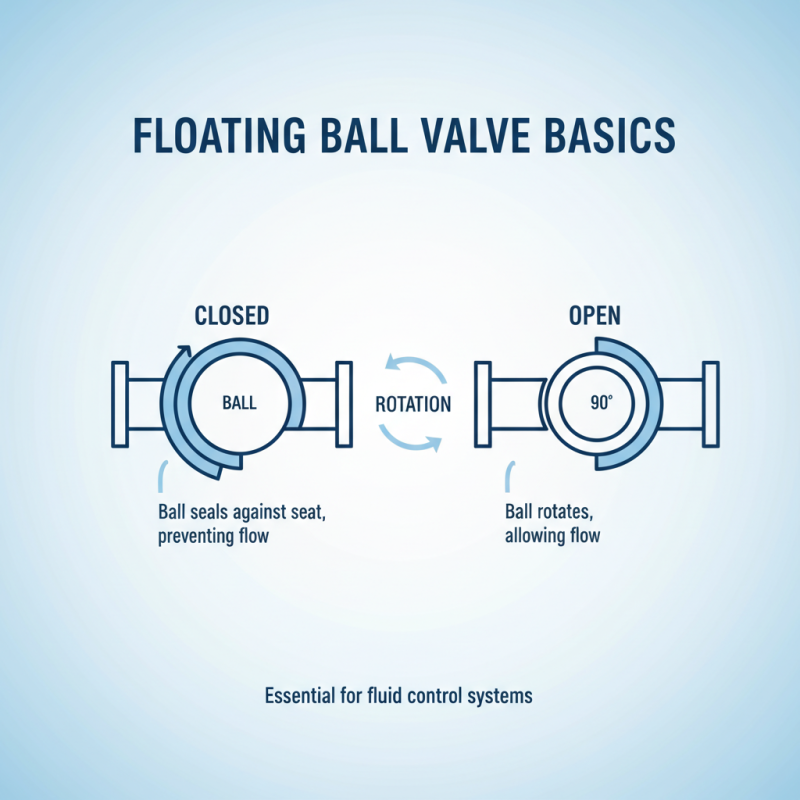
Floating ball valves are essential components in many fluid control systems. Understanding their basics can be helpful when selecting the right one. These valves consist of a spherical ball that floats within a seat. When the valve is closed, the ball seals against the seat, preventing flow. When opened, the ball rotates, allowing fluid to pass through.
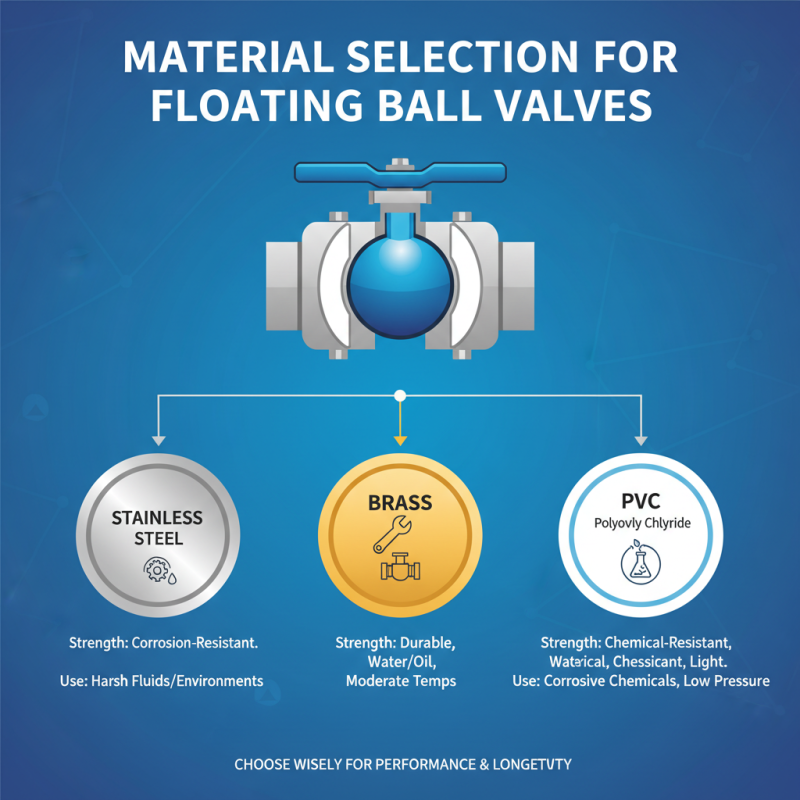
Consider the materials used. Common options include brass, stainless steel, and PVC. Each material has unique properties suited for different applications. For example, stainless steel is ideal for high-pressure environments. In contrast, PVC may be better for corrosive liquids.
Another factor is the valve size. It must match your piping system. Sizing impacts flow rates and pressure drops. Choosing an incorrectly sized valve may lead to inefficiencies or system failures. Reflecting on these aspects ensures you select a floating ball valve that meets your specific needs effectively.
Factors to Consider When Choosing Floating Ball Valves
Choosing the right floating ball valve requires careful consideration. You need to assess the working pressure and temperature of your system. Every application has unique requirements. A valve that works perfectly in one context may fail in another. It’s crucial to match the valve material with the fluid type. Corrosive substances may demand specialized materials.
Another important factor is the valve size. The size impacts flow rates and pressure drop. An oversized valve may not close properly. Conversely, an undersized valve can restrict flow. Make sure to check the connection type as well. Whether it’s flanged, threaded, or welded, the compatibility is essential for a secure fit.
Lastly, consider the ease of maintenance. Some floating ball valves may require more frequent servicing. While others, designed for durability, can operate with minimal oversight. Researching different designs can save time and costs in the long run. Engaging with a knowledgeable supplier can offer insights, but be prepared to ask critical questions. Balancing these factors ensures better performance in your specific application.
How to Choose the Right Floating Ball Valves for Your Needs? - Factors to Consider When Choosing Floating Ball Valves
| Factor |
Considerations |
Examples |
| Material |
Compatibility with fluid type and working environment |
Stainless steel, PVC, Brass |
| Pressure Rating |
Maximum allowable pressure for safe operation |
Class 150, Class 300, Class 600 |
| Size |
Pipeline diameter and flow requirements |
1 inch, 2 inch, 3 inch |
| Temperature Range |
Operating temperature limits for valve materials |
-30°C to 200°C |
| Actuation Type |
Method of valve operation, manual or automated |
Manual lever, electric actuator, pneumatic actuator |
| Standards Compliance |
Regulatory standards for safety and quality |
ANSI, API, ASTM |
| End Connections |
Type of connections for ease of installation |
Flanged, threaded, weld-end |
Material Selection for Floating Ball Valves
When selecting floating ball valves, material choice is crucial. Valves are often exposed to various fluids and environmental conditions. Understanding the properties of available materials can significantly impact performance and longevity. Common materials include stainless steel, brass, and PVC. Each has unique strengths and weaknesses.
Stainless steel is highly resistant to corrosion and heat. It is ideal for harsh environments, such as chemical processing facilities. According to a report from the American Society of Mechanical Engineers, stainless steel valves can last up to 50% longer than their brass counterparts in corrosive applications. However, this durability comes at a higher cost. Brass is less expensive but can corrode over time, especially in seawater. PVC, while lightweight and resistant to certain chemicals, may not withstand high temperatures or pressure.
Choosing the right material also means considering operational conditions. Factors like temperature, pressure, and the type of fluid can influence material performance. For example, high-temperature applications may necessitate the use of more robust materials. A report from the Flow Control Association indicates that improper material selection can lead to valve failures in 30% of cases. It's essential to evaluate the specific requirements of your application before making a decision.
Sizing and Pressure Rating Considerations
When selecting floating ball valves, sizing and pressure rating are crucial factors. Incorrect sizing can lead to inefficient system performance. A study by the American Society of Mechanical Engineers suggests that about 30% of valve failures originate from improper sizing. Ensure your valve's size matches the pipe diameter to avoid flow restrictions.
Pressure rating is similarly important. Floating ball valves come with various pressure ratings, often classified into ANSI standards. For example, a Class 150 valve can handle pressures up to 150 psi, while a Class 300 can withstand 300 psi. Using a valve rated for insufficient pressure can lead to catastrophic failure. It is vital to consider the application’s operating pressure when making your choice.
Furthermore, environmental factors can influence valve performance. High temperatures or corrosive fluids may necessitate higher-rated valves. Neglecting these aspects can lead to unexpected maintenance costs. Always analyze the specific conditions where the valve will be installed. A mismatch in expectations and reality can result in significant issues during operation.
Typical Applications for Floating Ball Valves
Floating ball valves are essential components in various industrial applications. These valves are widely used in water treatment, oil and gas, and chemical processing. They provide reliable performance and ease of operation in fluid control systems. According to a report by Research and Markets, the global market for floating ball valves is expected to reach $6.5 billion by 2027, driven by growing industrial automation and the need for efficient fluid management.
When selecting a floating ball valve, consider its specific applications. In the oil and gas industry, these valves handle high-pressure fluids, ensuring safety and efficiency. They are often used in pipelines and refineries. In water treatment, floating ball valves control flow rates, helping to maintain optimal conditions for purification processes. However, the choice of material is crucial due to the potential for corrosion in harsh environments.
Narrowing down options can be challenging. Factors such as temperature, pressure, and media compatibility play significant roles. For instance, using a valve not designed for corrosive materials can lead to failures and safety hazards. This underscores the importance of careful selection tailored to specific requirements. Users must also consider maintenance aspects; regular inspections are necessary to ensure long-term functionality.
Typical Applications for Floating Ball Valves