Choosing the right Soft Seat Ball Valve can prevent leaks, difficult maintenance, and costly production interruptions. The decision starts with the service conditions, not the valve’s appearance. Identify the fluid, operating temperature, pressure, pipe size, and required flow rate. Water service may need different seat materials than oil, gas, chemicals, or abrasive slurries. Small details matter.
In field inspections, I have seen valves selected by price alone. That approach often creates problems later. A soft seat can provide reliable shutoff, but excessive heat, incompatible chemicals, or frequent cycling may damage it. Check whether PTFE, reinforced PTFE, or another seat compound suits the application. Confirm the pressure rating, end connection, bore design, actuator option, and body material. A full-port valve can reduce pressure loss where flow efficiency matters.
Look for clear technical documentation. Manufacturer test records, material certificates, and recognized design standards can support a more dependable choice. However, certification alone does not guarantee perfect performance. Installation quality, alignment, cleaning, and correct torque also influence service life. It is easy to overlook these practical factors.
This guide presents five useful tips for evaluating a Soft Seat Ball Valve with greater confidence. The recommendations focus on compatibility, durability, control, safety, and long-term value. Some applications remain difficult to judge from specifications alone. When conditions are uncertain, consult a qualified valve engineer and request application-specific confirmation. A careful choice today can protect equipment, operators, and production continuity tomorrow.
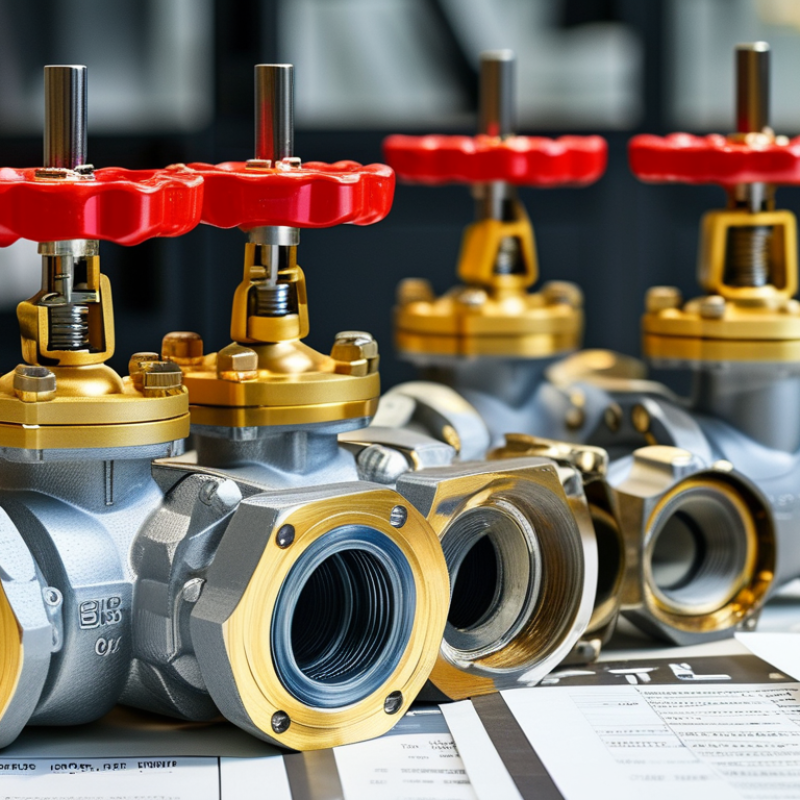
A soft seat ball valve uses a polished ball, stem, body, and two resilient seats. The ball contains a drilled passage. A quarter-turn rotates it between open and closed positions. When closed, the seats press around the ball and block the flow. This simple movement creates quick isolation with low operating effort.
Tip 1: Check the seat material against the fluid, temperature, and pressure. Common soft seat materials provide tight shutoff, but they may deform under excessive heat.
Tip 2: Inspect the flow path and cavity design. A full-port ball usually reduces turbulence and pressure loss. A reduced-port design may suit compact systems, but it can restrict flow.
In field inspections, I look closely at stem alignment and seat marks. Uneven marks may reveal poor installation or unsupported piping.
Tip 3: Confirm the valve’s pressure class and connection size before ordering.
Tip 4: Consider whether the medium contains particles. Soft seats can wear quickly with abrasive solids.
Tip 5: Allow room for handle movement and future maintenance.
The valve is not always the weak point. Sometimes the piping is. I have seen a correctly selected valve fail early because pipe stress distorted its body. That detail is easy to miss.
Clean installation, correct torque, and regular leak checks support dependable service. However, seat wear remains possible, even in a well-designed system.
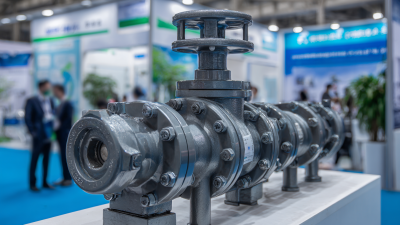
5 Tips to Choose the Right Soft Seat Ball Valve
Match the seat material to the fluid before comparing valve size or price. PTFE suits many clean, non-abrasive chemicals and general water service. Reinforced PTFE can handle greater mechanical stress and reduce deformation. For hotter service, consider a high-temperature soft-seat compound, but verify its exact limits. A seat that works well with water may swell in hydrocarbons or lose strength in solvents. Small details matter.
Temperature changes can be more damaging than steady heat. Check both the operating temperature and the cleaning temperature. Steam, hot oil, and frequent thermal cycling may shorten seat life. Inspect the pressure rating at the actual temperature, not only at room temperature. Pressure can reduce the seat’s sealing margin. Do not guess.
Fluid cleanliness also affects performance. Fine particles may scratch the ball or prevent full shutoff. In field inspections, trapped debris often explains early leakage better than poor valve assembly. Match the body and trim materials with the fluid’s corrosion risk. Stainless steel may be suitable in one process, while another requires a different alloy. Confirm compatibility through technical data, test results, and qualified engineering review. A neat material chart cannot replace real service conditions. I have seen selections fail because the fluid name looked harmless, while its concentration and temperature were ignored. Check those details before approval.
| Tip | Selection Dimension | Typical Fluid or Service | Suitable Soft Seat Materials | Typical Temperature Guidance | Pressure and Design Check | Important Selection Notes |
|---|---|---|---|---|---|---|
| 1. Match the Seat to the Fluid | Chemical compatibility and permeation resistance | Water, air, dilute chemicals, oils, fuels, and general process fluids |
PTFE: broad chemical resistance and low friction. EPDM: water, steam, and many dilute aqueous chemicals. FKM: many mineral oils, fuels, and hydrocarbons. NBR: water and petroleum-based fluids within its temperature range. |
PTFE: typically −20 to 200 °C. EPDM: typically −50 to 150 °C. FKM: typically −20 to 200 °C. NBR: typically −30 to 100 °C. |
Confirm that the seat, stem seal, body lining, and any lubricant are compatible with the fluid. Pressure rating must also be checked at the actual operating temperature. | A material that resists the fluid may still fail because of swelling, shrinkage, permeation, decompression, or loss of elasticity. Always review a chemical-compatibility chart for the exact concentration. |
| 2. Match the Seat to Temperature | Continuous temperature, start-up temperature, shut-down temperature, and thermal cycling | Cold water, ambient process service, hot water, steam, and elevated-temperature hydrocarbons |
PTFE: common general-purpose choice for chemical service. Reinforced PTFE: improved creep and deformation resistance. PEEK: high-temperature and high-wear applications. EPDM: hot water and steam when chemically suitable. |
Reinforced PTFE: often approximately −20 to 230 °C. PEEK: often approximately −40 to 260 °C. EPDM: commonly up to approximately 150 °C, depending on steam and chemical conditions. |
Use the valve’s pressure-temperature chart rather than the seat’s temperature limit alone. Soft-seat pressure ratings commonly decrease as temperature increases. | Do not select a valve from the maximum temperature alone. Check thermal cycling, heating rate, cooling rate, seat creep, and the effect of temperature on body and seal materials. |
| 3. Match the Valve to Pressure | Normal working pressure, maximum allowable working pressure, differential pressure, and pressure surges | Low-pressure utilities, process piping, compressed air, water systems, and higher-pressure hydrocarbon service |
PTFE and reinforced PTFE are widely used for many moderate-pressure services. PEEK may be selected where higher temperature, wear, or extrusion resistance is required. The body, ball, stem, seats, and end connections must be rated as one complete assembly. |
Use the rating at the highest operating temperature, not the rating shown only at room temperature. | As reference examples at approximately 38 °C, ASME Class 150 carbon-steel valves may be rated around 19.6 bar, while Class 300 carbon-steel valves may be rated around 51.1 bar. Actual ratings vary by body material, temperature, size, and design. | Check the applicable pressure-temperature standard, such as ASME B16.34, and account for water hammer, pump shutoff pressure, trapped-fluid expansion, and actuator torque requirements. |
| 4. Match the Seat to Wear and Cycling | Operating frequency, abrasive particles, pressure differential during opening, and required service life | Frequent isolation, automated on/off service, clean liquids, gas service, and fluids containing small amounts of solids |
PTFE: low friction and good general service performance. Reinforced PTFE: better resistance to creep and deformation. PEEK: higher resistance to wear, extrusion, and elevated temperature. Elastomeric seats may provide good sealing but can be more sensitive to swelling, compression set, and abrasion. |
Temperature limits depend on the selected grade and the frequency of cycling. High temperature can accelerate creep and reduce sealing force. | Verify the maximum differential pressure allowed for opening and closing. A valve may have a high static pressure rating but a lower allowable operating differential pressure. | For abrasive, slurry, or particle-laden service, a soft seat may not be appropriate. Consider a hardened ball, special seat design, flushing provisions, or a different valve type. |
| 5. Match the Valve to Safety and Compliance Needs | Fire safety, fugitive emissions, oxygen service, sanitation, and environmental requirements | Flammable hydrocarbons, toxic gases, oxygen-enriched systems, food or pharmaceutical processes, and emission-controlled plants |
Choose the seat and seal materials only after defining the required certification and cleaning process. PTFE-based materials are common in many chemical and oxygen-service designs, but oxygen compatibility requires special cleaning and validation. Elastomers must be checked for ignition, decompression, and chemical compatibility risks. |
Fire-safe designs must be evaluated over the specified temperature and pressure range; ordinary soft-seat temperature data are not sufficient for fire exposure. | Depending on the application, review fire testing such as ISO 10497 or API 607, fugitive-emission testing such as ISO 15848, and the applicable piping and pressure standards. | Specify clean-for-oxygen service where required, avoid unsuitable lubricants, and confirm sanitary surface finish and cleanability for hygienic applications. Certification requirements can change the acceptable material choices. |
| Engineering Note: The temperature ranges and pressure values shown are typical guidance values, not universal ratings. Final selection must be based on the complete valve assembly, exact material grade, valve size, pressure class, fluid concentration, operating cycle, applicable standards, and the manufacturer’s certified pressure-temperature data. | ||||||
Choosing the right soft seat ball valve starts with the line, not the catalog. Measure the pipe’s actual inside diameter, operating pressure, temperature, and flow rate. A valve that is too small can create pressure loss and noisy operation. An oversized valve may throttle poorly and wear its soft seat sooner. Leave room for error. In practical installations, valve size should match the system’s flow demand and connected pipe standard. Do not assume a larger valve offers better performance.
Port design affects control, capacity, and cleaning. A full-port ball valve keeps the bore close to the pipe diameter, reducing restriction during open flow. A reduced-port design can suit moderate flow, but its smaller passage may increase velocity. For viscous liquids or fluids carrying particles, check the pressure drop carefully. Check it twice. Dead space also matters in hygienic or contamination-sensitive systems, where trapped material can complicate draining and maintenance.
Connection type must fit both the pipe and the service environment. Threaded ends are compact for smaller lines, while flanged ends support easier removal and heavier equipment. Welded connections provide a clean, permanent joint, but alignment and heat control require trained installers. Verify thread standards, flange dimensions, gasket materials, and maintenance space before ordering. I once treated connection details as minor; that assumption caused avoidable rework. Review the valve with the installer. A technically sound choice still fails when access, operating torque, or future replacement is ignored.
Evaluate sealing performance, actuation, and maintenance needs before selecting a soft seat ball valve. In field inspections, I check the seat material against the medium, temperature, and pressure. A valve may seal well during commissioning but fail after repeated thermal cycles. Look for stable shutoff performance, low leakage, and a ball surface without scratches. Even a small particle can damage the seat.
Test the sealing design under realistic conditions. Ask for pressure-test records, torque data, and material information. Do not rely only on catalogue ratings.
Match actuation to operating frequency and safety needs. Manual handles suit occasional isolation, while pneumatic or electric actuators support frequent control. Confirm available torque, response time, and fail-position requirements. Too much actuator force can shorten seat life.
Examine maintenance access before installation. A removable handle, visible stem position, and replaceable seat can reduce downtime. Keep spare seals in a clean, dry location.
Check whether the valve tolerates line contamination. It may not. Flushing the pipe before commissioning is often overlooked, yet it prevents early sealing damage.
Review the service history of similar valves. Record operating cycles, leakage observations, and actuator issues. My own evaluations are not always perfect; unexpected chemical exposure can change the result, so field data deserves another review.
5 Tips to Choose the Right Soft Seat Ball Valve
Verify the standards before comparing prices. Confirm which requirements apply to your system, such as API 608, ASME B16.34, or ISO 5211. Check pressure ratings, end dimensions, fire considerations, and inspection records. A certificate alone is not enough. Match the document to the actual valve marking and test data.
Quality appears in small details. Inspect the body finish, stem movement, seat alignment, and machining around the sealing surfaces. Ask how pressure testing is performed and recorded. Then estimate service life from temperature, pressure, fluid compatibility, and operating cycles. A valve used with abrasive media may need a different seat material. Soft seats can seal tightly, but they are not suitable for every condition.
Think beyond the first purchase. A dependable supplier should provide drawings, material certificates, test reports, installation guidance, and replacement seats. Response time matters during an unplanned shutdown. Ask about traceability and corrective action procedures. In field work, I have seen a suitable valve delayed by missing documents, not poor mechanics. That mistake is easy to overlook. Request realistic service-life data, not optimistic promises. Leave room for uncertainty, because actual performance depends on installation, maintenance, and operating habits.
Verify standards, quality, service life, and supplier support before selecting a soft seat material. The chart shows representative upper continuous service-temperature limits commonly specified for valve seat materials; always confirm the exact valve design and medium compatibility.
Use ISO 5208 or API 598 for pressure and leakage-test verification, review quality-control documentation, check expected operating cycles and maintenance requirements, and confirm that the supplier can provide traceability, spare parts, and technical support.