Why Choose a Double Seated Ball Valve for Your Piping System?
In modern piping systems, reliability and efficiency are paramount. A Double Seated Ball Valve stands out as a preferred choice for many engineers. Industry reports show that these valves provide enhanced control over fluid flow, reducing the risk of leaks and failures. According to a study by the American Society of Mechanical Engineers, systems that employ quality double seated ball valves experience a 30% decrease in maintenance costs.
The design of a Double Seated Ball Valve allows for a tight seal in both directions. This feature increases safety and system performance. Furthermore, these valves are known for their durability, often lasting decades with minimal wear. Research from the Valve Manufacturers Association highlights that 40% of pipeline failures stem from valve malfunctions. Choosing the right valve is crucial.
However, manufacturers emphasize the need for proper installation and regular maintenance. Even with the advanced design of double seated valves, neglect can lead to performance issues. Engineers must weigh these factors when integrating them into their systems. The decision to use a Double Seated Ball Valve should align with operational demands and safety standards.
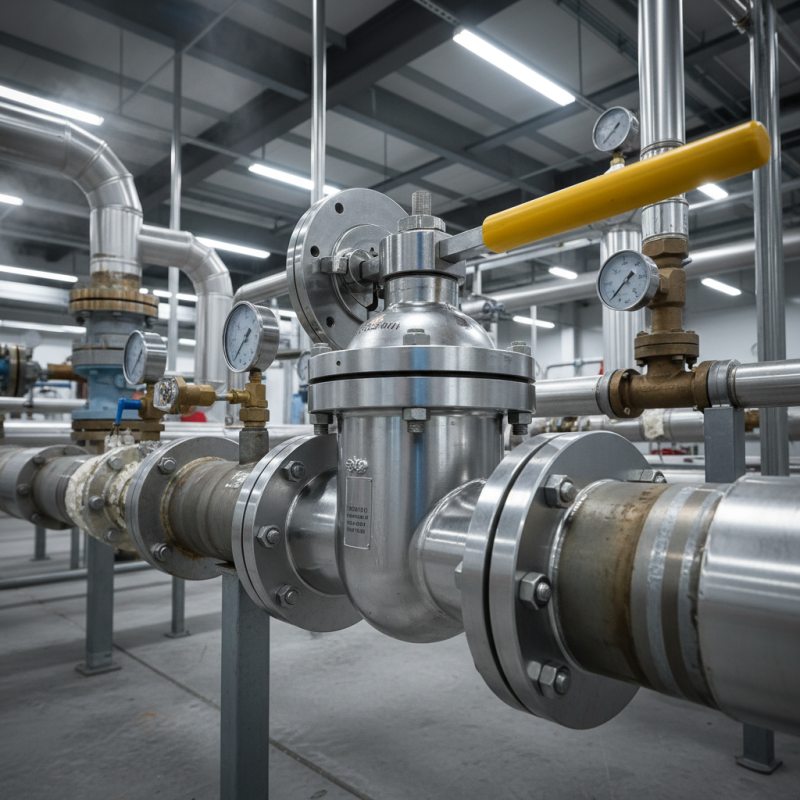
Overview of Double Seated Ball Valves and Their Functionality
Double seated ball valves are crucial components in many piping systems. They offer enhanced sealing capabilities, effectively reducing leakage. These valves have two seats, which provide a tighter seal than single-seated alternatives. This design is especially beneficial in high-pressure applications.
Functionally, double seated ball valves can regulate flow more efficiently. The unique construction allows for lower torque requirements during operation. Operators often appreciate this as it leads to longer lifespan and lower maintenance needs. The presence of two seats also helps to mitigate the effects of seat wear, which can be problematic in traditional valves.
However, it is important to consider potential drawbacks. Installation can be more complex due to the intricate design. Some users may overlook this and face challenges during maintenance. Understanding the balance between efficiency and complexity is key for effective implementation.
Benefits of Using Double Seated Ball Valves in Piping Systems
Double seated ball valves offer significant advantages in piping systems. Their design allows for better sealing and reduced leakage compared to single seated options. A report from the American Society of Mechanical Engineers (ASME) indicates that leakage rates can be reduced by up to 30% with double seated ball valves. This can directly impact operational costs and efficiency.
Moreover, double seated ball valves enhance flow control. They provide a stable flow rate which is crucial in various industrial applications. The ability to maintain precise control leads to improved system performance. It is essential to note that not all configurations of these valves work seamlessly in every environment. There are instances where inappropriate sizing can lead to cavitation or operational failures.
In terms of durability, double seated ball valves tend to have a longer lifecycle. Their dual sealing design helps withstand pressure fluctuations better. According to a study by the Valve Manufacturing Association, properly maintained double seated ball valves can last up to 20% longer than their counterparts. However, regular maintenance is vital to avoid performance issues over time.
Benefits of Using Double Seated Ball Valves in Piping Systems
Comparison of Double Seated and Single Seated Ball Valves
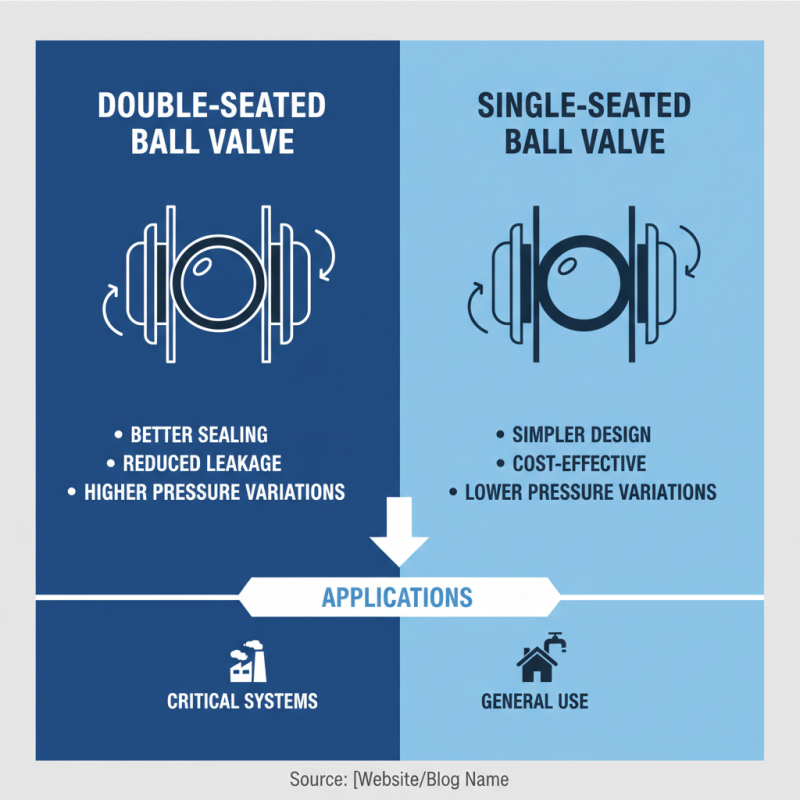
When deciding between double seated and single seated ball valves, understanding their differences is crucial. Double seated valves feature two seats, providing better sealing and reduced leakage risks. This design allows them to handle higher pressure variations, which is essential in many piping systems. On the other hand, single seated valves may be more straightforward and cost-effective for less demanding applications. They can struggle under high-pressure changes, potentially leading to leaks.
Tips: Consider the application environment carefully. High-pressure systems may benefit from double seated valves. Assess your piping system's requirements before selecting a valve type.
Selecting the right valve can prevent costly downtime. Double seated valves offer enhanced performance, but they need more space for installation. This might not be feasible in tight areas. Single seated valves can fit into smaller spaces but might require frequent maintenance if used in demanding conditions.
Tips: Conduct regular checks on your valves. Look for signs of wear or leaks to maintain performance. Prepare for maintenance needs based on the selected valve type.
Applications of Double Seated Ball Valves in Various Industries
Double seated ball valves play a critical role in various industries, particularly in water treatment, oil and gas, and chemical processing. Their design allows for bi-directional sealing, significantly reducing the risk of downtime. According to a recent industry report, around 30% of valve failures can be attributed to improper sealing. This makes double seated ball valves vital for maintaining system integrity.
In the oil and gas sector, these valves are essential for controlling flow in pipelines. Data shows that over 40% of global oil and gas production relies on reliable valve systems. The efficiency of double seated ball valves ensures operational safety. Without them, there is a higher chance of leaks, leading to costly and dangerous incidents.
Chemical processing plants also benefit from these valves. They can handle corrosive materials effectively. Studies indicate that using double seated ball valves in such environments can reduce maintenance costs by 25%. However, not all installations utilize these valves effectively. The correct selection and installation remain challenging. In some cases, operators overlook the specific requirements of their systems, which can negate the advantages of advanced valve technology.
Why Choose a Double Seated Ball Valve for Your Piping System?
| Industry |
Application |
Benefits of Double Seated Ball Valves |
Common Materials |
| Oil & Gas |
Flow control in drilling systems |
Reduced risk of leakage, reliable sealing |
Stainless Steel, Carbon Steel |
| Chemical Processing |
Handling corrosive substances |
High durability, excellent sealing capabilities |
PTFE, Alloy Materials |
| Water Treatment |
Water distribution networks |
Efficient flow management, easy maintenance |
Brass, PVC |
| Pharmaceuticals |
Process liquid handling |
Hygienic design, precise control |
316 Stainless Steel, Hastelloy |
| Power Generation |
Steam and coolant flow regulation |
Resilience to high temperatures, low torque operation |
Nickel Alloys, Titanium |
Maintenance and Installation Considerations for Double Seated Ball Valves
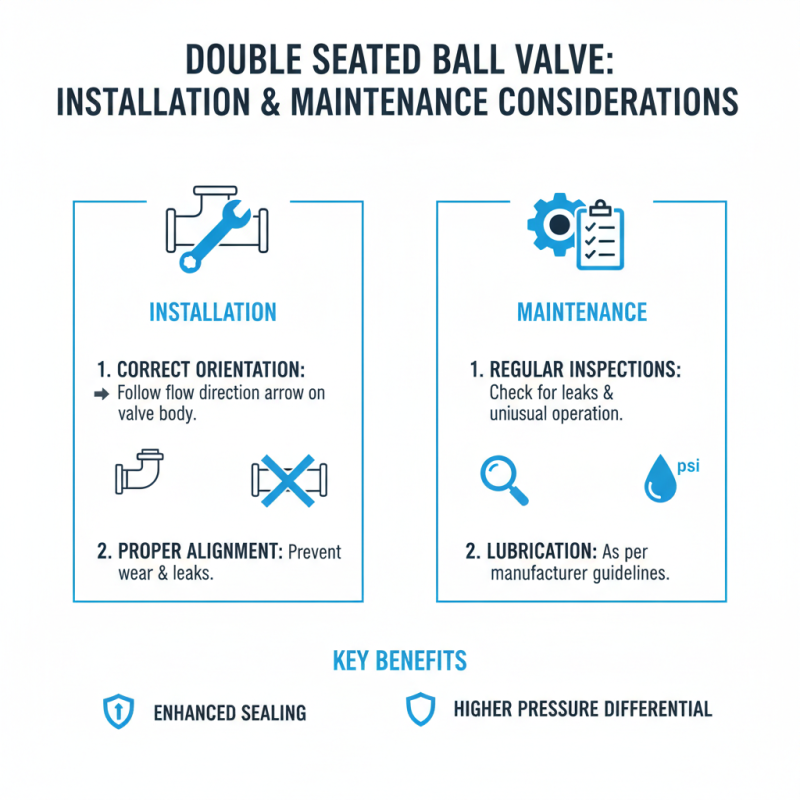
When considering double seated ball valves for your piping system, installation and maintenance are key factors. These valves are designed for better sealing and can handle greater pressure differentials. However, proper installation is crucial. Ensure that the valve is oriented correctly according to the flow direction. Misalignment can lead to increased wear and leaks over time.
Regular maintenance is essential. Inspect the seals periodically for wear and replace them as needed. Keeping the valve clean helps prevent blockages. The double seated design can complicate repairs, so consult technical manuals for guidance. Remember, not addressing small issues can lead to bigger failures later.
Tips: Always use appropriate tools during installation. This prevents damage to sensitive parts. Document any maintenance work performed; this aids in tracking the valve's performance over time. Furthermore, consider the environment. Extreme temperatures and corrosive substances may affect performance, so ensure suitable materials are used.