What is an Electric Float Valve and How Does it Work?
Electric Float Valves are essential components in many fluid management systems. These devices regulate the flow of liquids based on their level in a tank or reservoir. According to industry expert Dr. Emily Carter, "Electric Float Valves provide precision control, ensuring optimal levels in various applications." This statement highlights the importance of accurate fluid regulation.
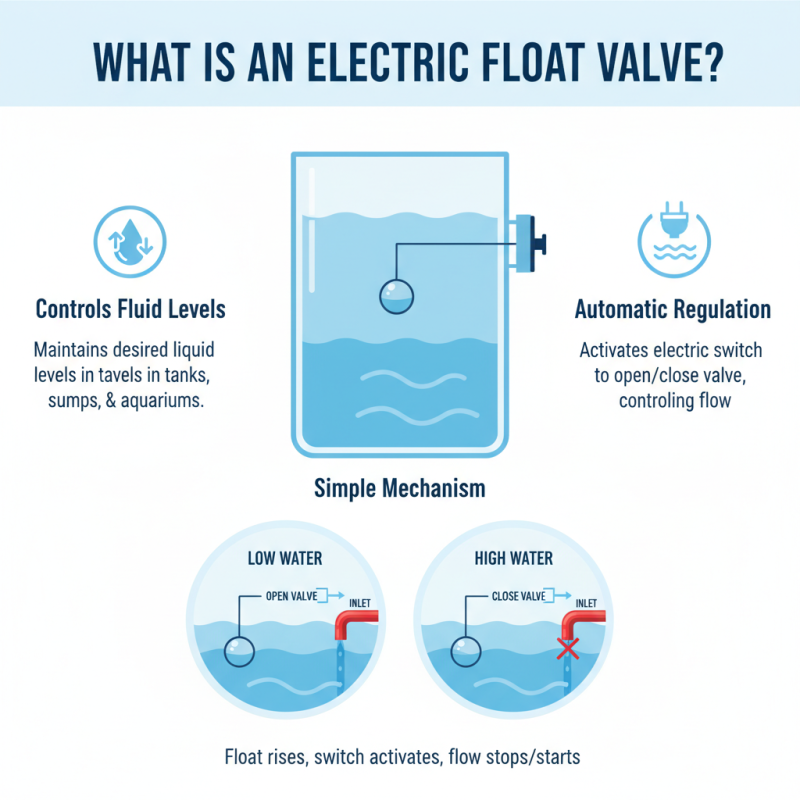
The working principle of an Electric Float Valve involves a float that rises and falls with the liquid level. When the float reaches a certain height, it activates the valve mechanism, either stopping or allowing the flow. This simple yet effective design plays a critical role in industries, from agriculture to water treatment.
However, even the best systems can face challenges. Factors like float malfunctions or electrical failures can disrupt performance. Reflections on improvements can help enhance reliability and efficiency. Understanding these complexities is vital for anyone utilizing Electric Float Valves in their operations.
What is an Electric Float Valve?
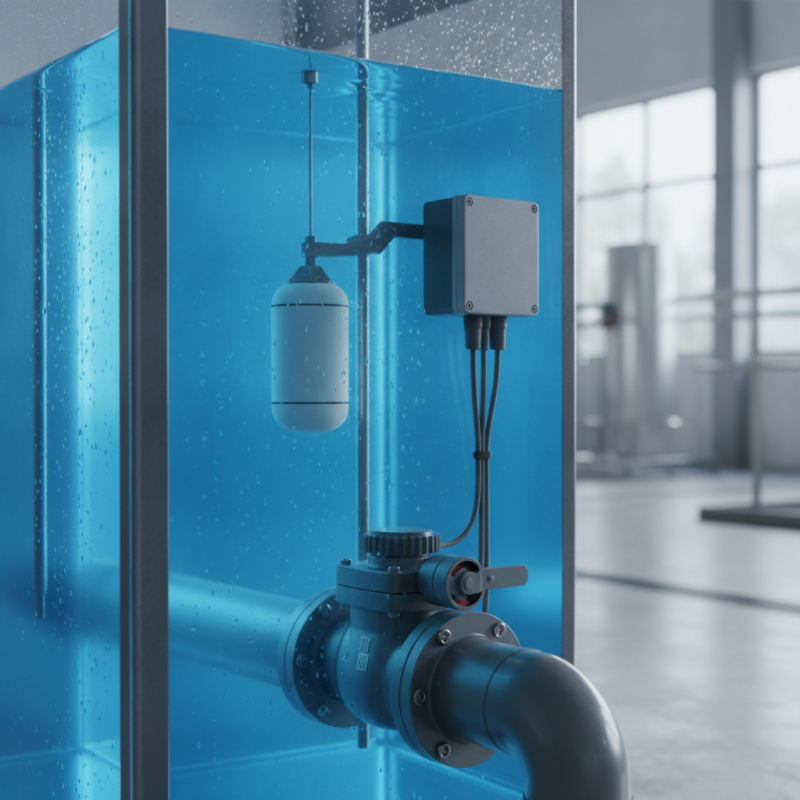
An electric float valve is an essential device used to control fluid levels in various applications, from water tanks to aquariums. It operates using a simple yet effective mechanism. The valve uses a buoyant float attached to an electric switch. When the water level rises, the float ascends, activating the switch to open or close the valve. This allows for precise regulation of fluid flow.
These valves offer numerous benefits, including automatic operation and high reliability. They can maintain desired water levels more efficiently than manual controls. However, the reliance on electricity may cause concerns during power outages. In some cases, mechanical floats might provide a safer backup solution.
While electric float valves are generally dependable, issues can arise. For example, mineral buildup or debris can obstruct movement, leading to failure. Regular maintenance is essential to ensure proper functioning. Users should consider potential problems to enhance the longevity of the valve.
Components of an Electric Float Valve
Electric float valves play a crucial role in fluid management systems. These devices regulate liquid levels automatically. Understanding their components is essential for proper functionality.
A typical electric float valve consists of several key components. The float itself is a buoyant object, usually made of materials like plastic or stainless steel. It rises and falls with liquid levels, triggering the valve mechanism. The valve body houses the internal parts and connects to piping systems. The actuator, often electric, controls the valve's opening and closing based on the float's position. This integration allows for precise control of liquid flow.
Studies indicate that properly calibrated electric float valves can improve system efficiency by up to 30%. However, incorrect installation or maintenance can lead to performance issues. Regular checks and adjustments are necessary to avoid leaks and failures. Not all float valves perform optimally, as factors like water quality and installation conditions affect operation. Understanding these details can enhance reliability and longevity.
Electric Float Valve Performance Analysis
This bar chart displays key performance metrics of an Electric Float Valve, including flow rate, power consumption, response time, and operating range. The values represent typical performance characteristics essential for understanding the efficacy of electric float valves in various applications.
How Does an Electric Float Valve Function?
Electric float valves play a crucial role in controlling fluid levels automatically. Understanding how they function can enhance efficiency in various applications, from water tanks to industrial systems. When the water level rises or falls, the float activates a switch. This switch either opens or closes the valve. The process is simple yet effective. Studies show that utilizing float valves can reduce water wastage by over 15% in some systems.
In terms of design, electric float valves consist of several key components: the float, a valve body, and an electrical actuator. These parts work together to maintain desired water levels in a reservoir. When the float rises beyond a preset point, it signals the actuator to shut off the water flow. Conversely, when the float drops, it allows water to enter again. This mechanism ensures consistent water supply, especially in agricultural or municipal applications.
Tip: Regular maintenance is essential. Corrosion or debris can impede valve performance. Check the components periodically to ensure optimal operation.
Operators often face challenges with float positioning. Incorrect installation can lead to inefficiency. Assess float placement before usage to prevent potential issues. Understanding these details fosters better performance and reliability in various systems.
Applications of Electric Float Valves in Industry
Electric float valves are essential in various industrial applications. These devices help to regulate fluid levels in tanks, ensuring smooth operations. Industries such as water treatment, agriculture, and manufacturing utilize electric float valves to maintain optimal fluid levels. A report from Markets and Markets highlights that the global water control market is projected to reach $24.5 billion by 2025, indicating a rising demand for these solutions.
In water treatment facilities, electric float valves play a critical role in maintaining system integrity. They monitor water levels and automatically adjust inflow and outflow. This automation reduces the risk of spills and overflows. However, the reliability of these systems can be influenced by factors like sensor accuracy and electrical supply stability. Data from the International Water Association emphasizes that nearly 20% of water utilities face operational inefficiencies due to equipment failures.
The agricultural sector also benefits significantly from electric float valves. These devices help manage irrigation systems by ensuring optimal water levels in reservoirs. Effective water management can lead to a 30% increase in crop yield, according to agri-tech research. Yet, challenges remain. Factors such as sediment build-up and environmental conditions can affect valve performance. Continuous improvements and regular maintenance are necessary for consistent operation.
Benefits of Using Electric Float Valves Over Traditional Valves
Electric float valves have been gaining attention in various industries, especially for their efficiency and reliability. Unlike traditional manual valves, electric float valves automate water control systems, reducing the need for human intervention. According to a report by the Flow Control Institute, over 75% of industries using automated controls report a significant decrease in water wastage. They can maintain precise water levels in tanks and reservoirs, enhancing operational stability.
Another noteworthy advantage is the reduction in maintenance costs. Studies indicate that electric float valves can cut maintenance expenses by up to 30% compared to their traditional counterparts. This is largely due to their robust construction and electronic components, which usually require less frequent repairs. They also provide real-time feedback on water levels, ensuring better operational decision-making. However, the initial investment can be higher. Some industries may struggle with this upfront cost, questioning the long-term benefits.
While electric float valves are not flawless, their growing popularity signifies a shift towards smarter, more efficient water management solutions. Despite potential reliability concerns, their operational advantages create a compelling case for their adoption. The industry must still address issues regarding their integration into existing systems, ensuring seamless transitions from traditional methods. As electric float valves continue to evolve, ongoing industry research will help refine their use further.