10 Essential Tips for Choosing the Right Double Ball Valve
Choosing the right Double Ball Valve is crucial for effective fluid control. With numerous options available, making an informed choice can often feel overwhelming. Understanding the key features and specifications of a Double Ball Valve can greatly enhance your decision-making process.
It’s essential to consider factors such as materials, pressure ratings, and sizes. Each application may demand specific characteristics that impact performance. Many overlook these details, leading to dissatisfaction or premature valve failure. A reliable Double Ball Valve is more than just a component; it is vital to the success of your system.
Consider consulting experts to tailor your choice to unique requirements. Their insights can be invaluable. Remember, a well-chosen valve can promote efficiency and longevity, while a poor choice could lead to costly repairs. This guide offers essential tips to help navigate this critical decision-making process.
Understanding the Basics of Double Ball Valves
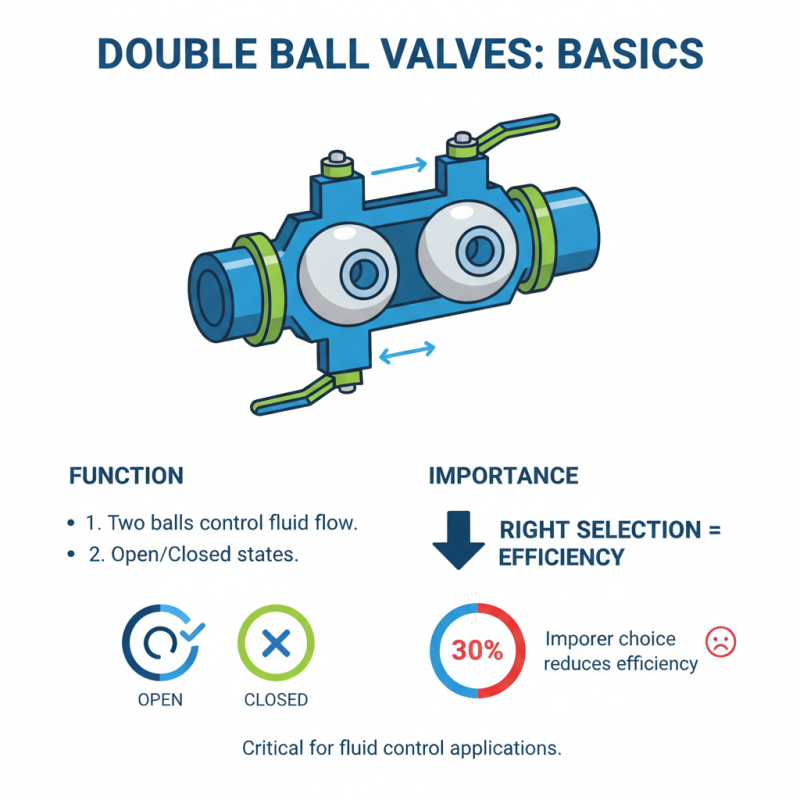
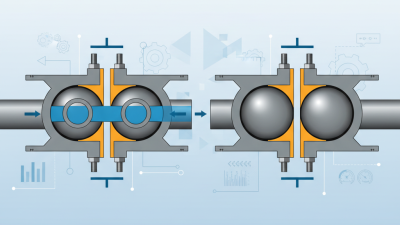
Double ball valves are critical components in various fluid control applications. Understanding their basic functions can greatly influence your selection process. These valves operate using two balls that control flow. They can be fully open or closed, allowing for efficient fluid management. Reports suggest that improper valve selection can reduce system efficiency by up to 30%. This highlights the importance of choosing the right type.
When assessing double ball valves, consider material compatibility. For instance, using metal valves in corrosive environments may lead to failures. Research indicates that up to 20% of valve failures stem from material mismatches. Additionally, pressure ratings are crucial. Many valves are rated for specific pressure levels. Exceeding these limits can cause leaks. Many users overlook these details and experience unexpected issues. Proper research can prevent future costs.
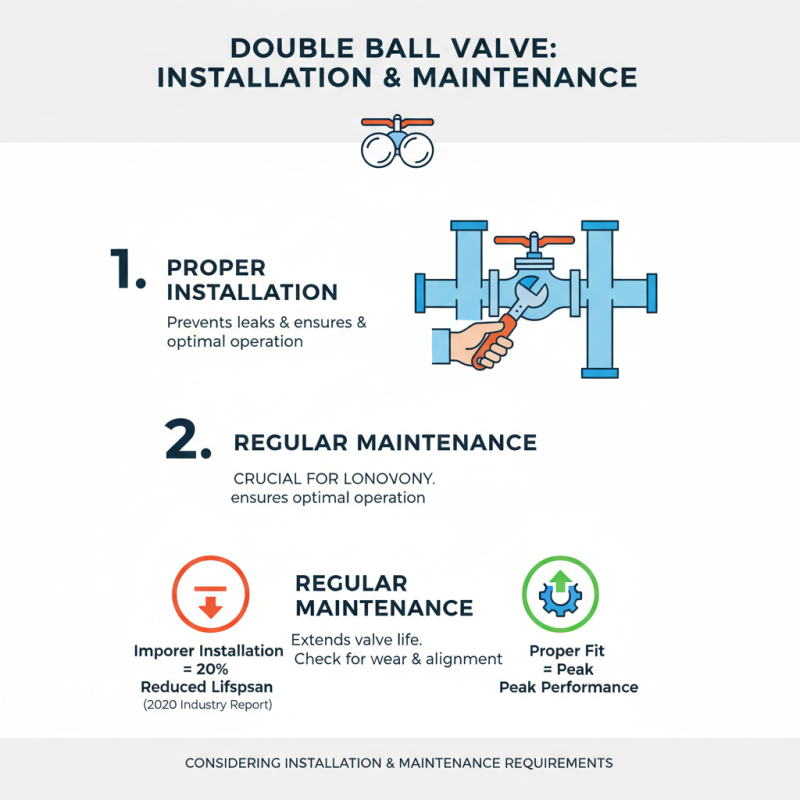
Installation practices also play a vital role. A poorly installed valve can lead to significant problems. Studies show that up to 15% of maintenance issues arise from incorrect installations. Regular inspections are essential for maintaining valve integrity. A commitment to understanding these basics can help ensure long-term reliability. It's evident that the choice of double ball valves deserves careful consideration.
Identifying Key Factors in Valve Selection
Choosing the right double ball valve is crucial for maintaining optimal flow and pressure control in various applications. To ensure you make an informed decision, you must identify key factors that influence valve selection. Here are some essential tips to guide you.
Consider the material composition of the valve. A robust material is necessary to withstand the operating environment. For example, stainless steel valves are excellent for corrosive fluids. Next, evaluate the pressure and temperature limits. Every valve has specific ratings, and choosing one that aligns with your system's needs is vital. An inadequate selection can lead to failures and costly repairs.
Always check the valve's certifications. Compliance with industry standards ensures reliability and safety. Look for valves that meet ANSI or API certifications. Additionally, think about the valve's size. An ill-fitting valve can disrupt flow rates and create bottlenecks. Accurate measurements are essential for a proper fit.
A final important aspect is the valve's maintenance requirements. Some valves may need more frequent inspections or repairs. Assessing your maintenance capabilities will help you choose a valve that aligns with your operational needs. Understanding these factors can significantly enhance your decision-making process.
10 Essential Tips for Choosing the Right Double Ball Valve
| Tip # |
Key Factor |
Description |
| 1 |
Material Selection |
Choose materials that suit the application and fluid type. |
| 2 |
Pressure Rating |
Ensure the valve can withstand the maximum pressure in the system. |
| 3 |
Temperature Range |
Verify that the valve operates effectively within the required temperature limits. |
| 4 |
Size and Connection Type |
Match the valve's size and connection type with your piping specifications. |
| 5 |
Flow Characteristics |
Consider flow rates and patterns for optimal performance. |
| 6 |
Seal Type |
Select the appropriate seal type for leak prevention and sealing performance. |
| 7 |
Actuation Options |
Decide between manual or automated actuation based on your needs. |
| 8 |
Certification and Compliance |
Check for relevant industry certifications and standards compliance. |
| 9 |
Maintenance Requirements |
Evaluate the ease of maintenance and servicing of the valve. |
| 10 |
Cost and Budget |
Analyze the total cost of ownership, including initial price and operational costs. |
Evaluating Materials and Construction Quality
When selecting a double ball valve, evaluating materials and construction quality is critical. Various materials, including brass, stainless steel, and plastic, affect durability and performance. For instance, a study by the American Society of Mechanical Engineers (ASME) noted that stainless steel valves can offer better corrosion resistance. However, they are pricier and may not suit all applications.
Construction quality is equally important. Valves with robust designs and quality seals help prevent leaks. A recent industry report highlighted that approximately 15% of valve failures stem from poor construction. This emphasizes the need for meticulous inspections. It’s also crucial to consider the valve’s intended environment. For example, valves in high-temperature settings need specific material considerations. Choosing the wrong material could lead to premature failure.
Despite these guidelines, some manufacturers cut corners to reduce costs. This issue stresses the importance of thorough research. Check certifications and industry standards to validate the manufacturer’s claims. A valve might look appealing, but without rigorous quality checks, it could lead to significant operational issues in the long run. Trust but verify.
Assessing Compatibility with Fluid Types
Choosing the right double ball valve is crucial for optimal fluid system performance. Assessing compatibility with fluid types is a fundamental step. Studies show that nearly 25% of valve failures stem from selecting improper materials for specific fluids. For example, certain elastomers degrade quickly in aggressive chemicals, leading to leaks and downtime.
The fluid’s temperature and pressure also influence valve selection. A report by the International Journal of Fluid Mechanics highlights that around 30% of fluid systems experience failures due to thermal expansion that exceeds valve tolerances. These data points emphasize the need for careful consideration.
In many cases, users overlook the importance of fluid viscosity. High-viscosity fluids can impair flow efficiency, demanding different valve designs. Each fluid interacts differently with valve materials. This variability necessitates a thorough compatibility analysis, particularly in critical applications. Performance may suffer if these factors aren’t appropriately accounted for.