2026 How to Choose the Right Forged Steel Ball Valve?
Choosing the right Forged Steel Ball Valve is essential for various applications. These valves are known for their durability and reliability. However, not all options are the same.
When selecting a Forged Steel Ball Valve, consider the specific requirements of your system. The size, pressure ratings, and materials must match the environment. It can be overwhelming to navigate through many choices on the market. Each detail counts—valve design, seal type, and flow characteristics matter.
Many overlook the importance of quality certification. Not all manufacturers adhere to stringent standards. That can lead to failures or inefficiencies. You must assess each option carefully. Emphasizing quality can save you from costly repairs down the line. In this complex landscape, gathering insights and knowledge about Forged Steel Ball Valves is vital for making informed decisions.
Factors to Consider When Selecting a Forged Steel Ball Valve
When selecting a forged steel ball valve, several critical factors come into play. One of the foremost considerations is the working pressure and temperature. These valves often operate in high-pressure environments. The API 608 standard suggests that forged steel valves can handle pressures up to 6000 psi. However, it's essential to verify if your specific application meets these guidelines.
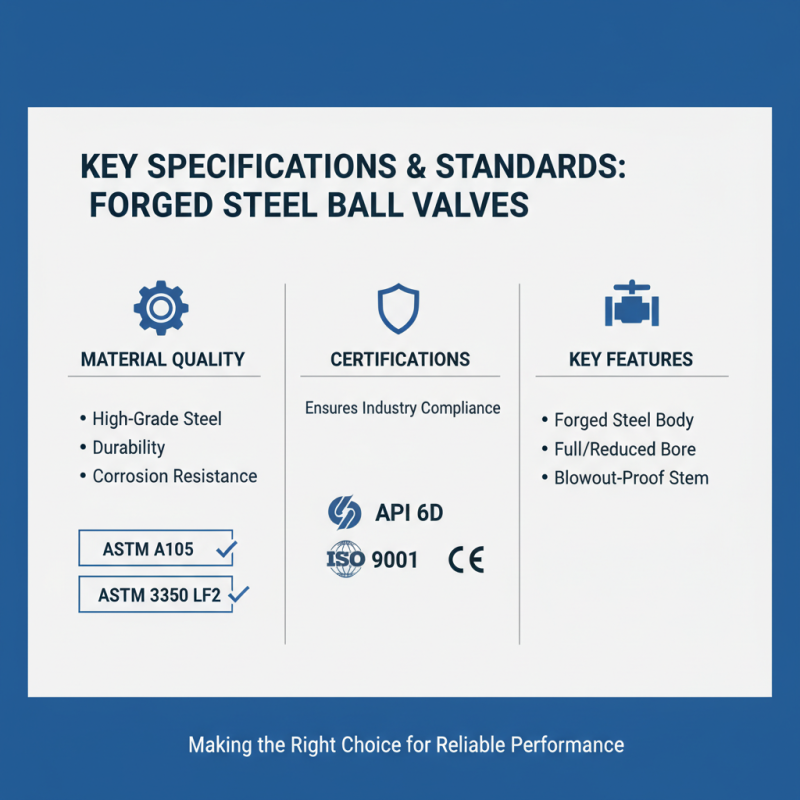
Material quality is another vital aspect. The choice of materials affects the valve's longevity and performance. According to a recent industry report, over 30% of valve failures are attributed to material inadequacy. Look for specifications on the steel grade. For many applications, A105 or F11 materials are recommended for optimum durability.
Consider the valve's design and size, as they significantly impact performance. An incorrectly sized valve can lead to inefficient flow and increased energy costs. Research indicates that a miscalibrated valve can increase operating costs by as much as 20%. Be mindful of ensuring that the valve matches your piping system in terms of dimensions and flow characteristics. This can be overlooked but is critical for system efficiency.
Understanding the Different Types of Forged Steel Ball Valves
When selecting forged steel ball valves, understanding their types is crucial. There are three primary types: floating, trunnion-mounted, and special-purpose valves. Each type serves different functions in various industries. Floating ball valves are often used for lower pressure applications due to their design. They can seal effectively with minimal torque. In contrast, trunnion-mounted valves are ideal for high-pressure systems. They provide reliable sealing under significant loads.
According to industry reports, the market for forged steel ball valves is projected to reach $5.8 billion by 2027. This reflects a compound annual growth rate (CAGR) of 4.2%. Such growth indicates increasing demand across sectors like oil and gas. Special-purpose valves cater to unique applications like cryogenic services. Their design helps manage extreme temperatures and pressures effectively.
Choosing an appropriate type requires careful consideration. Not all valves perform equally under specific conditions. It's essential to analyze application needs. Evaluate factors like pressure, temperature, and fluid type. Sometimes, the right choice isn't obvious. Engineers must be aware of the challenges they may face when selecting the valve type. Each application can reveal potential flaws in the chosen design. Therefore, ongoing assessment is vital.
A Comparison of Materials Used in Forged Steel Ball Valves
When choosing forged steel ball valves, understanding the materials used is crucial. Forged steel valves typically utilize high-quality steel grades, such as ASTM A105 and ASTM A350 LF2. These materials are chosen for their strength and resistance to high pressure. According to industry reports, nearly 70% of ball valves are made from carbon steel, enabling them to withstand extreme conditions.
Another important consideration is the type of alloy used in forged steel ball valves. Stainless steel options, like ASTM A182 F304 and F316, offer excellent corrosion resistance. Reports indicate that around 30% of projects now favor stainless steel, particularly in harsh environments. However, stainless steel can be more expensive than carbon steel. This cost factor can lead to oversights in project budgeting.
While forged steel ball valves are robust, they can be susceptible to fatigue failures. Engineers must conduct thorough material analysis. Poor selection can lead to unexpected leaks. Frequent inspections are vital. The decision-making process requires careful attention to detail and an understanding of material properties. A well-chosen valve can enhance system reliability. But errors in material selection can result in costly repairs and downtime.
Industry Applications and Performance Metrics of Forged Steel Ball Valves
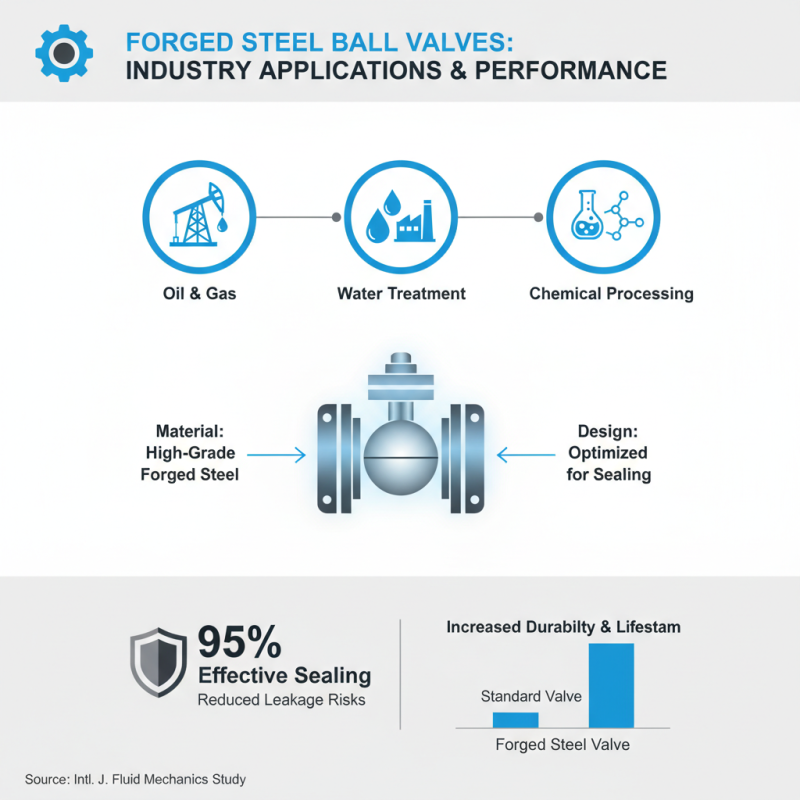
Forged steel ball valves are essential in various industries. They serve crucial functions in oil and gas, water treatment, and chemical processing. The performance of these valves largely depends on their design and material quality. For instance, valves made from high-grade forged steel exhibit significant performance improvements. A study by the International Journal of Fluid Mechanics highlights that properly designed forged steel valves can offer up to 95% effective sealing, reducing leakage risks.
In oil and gas applications, forged steel ball valves are often exposed to extreme temperatures and pressures. According to a 2021 market analysis, these valves can withstand pressure ranges from 1500 psi to over 3000 psi. Choosing the right valve becomes critical. Some configurations, while effective, may not suit every scenario. A mismatch can cause serious operational issues. The complexity of fluid dynamics means detailed knowledge of the application is necessary.
Performance metrics can vary widely among forged steel valves. Research shows that the flow coefficient (Cv) may vary, affecting efficiency. Valves with higher Cv ratings tend to provide better flow rates but can also lead to turbulence. This might be counterproductive in systems requiring smooth fluid dynamics. Ensuring the right balance between flow efficiency and system requirements is often overlooked yet is vital for optimal operation.