How to Choose a Forged Steel Ball Valve in 2026?
Choosing a Forged Steel Ball Valve in 2026 requires more than comparing pressure ratings and purchase prices. The decision affects plant safety, maintenance intervals, leakage risk, and long-term operating costs. A compact valve body may look impressive, yet unsuitable materials can fail under sour gas, cryogenic service, or repeated thermal cycling.
Philip L. Skousen, author of The Valve Handbook, offers a practical principle: “Valve selection begins with understanding the process, not the catalog.” That advice remains valuable. Before reviewing manufacturers, define the medium, temperature range, pressure class, flow direction, shutoff requirements, and cycling frequency. Then examine forged-body construction, trim compatibility, stem design, seat materials, and fire-safe performance. API 6D, API 607, API 6FA, ISO 5211, and relevant NACE requirements may also matter, depending on the installation.
Details decide reliability. Request material certificates, positive material identification records, pressure-test results, and traceable serial numbers. Check whether the supplier can support emergency replacement parts five years later. A low initial quotation can become expensive when seats swell, actuators misalign, or documentation proves incomplete. I have seen polished datasheets hide weak after-sales support. That mistake is easy to repeat.
Not every project needs the most expensive Forged Steel Ball Valve. However, every project needs a valve matched to its actual service conditions. This guide examines the selection points that deserve careful review in 2026, while acknowledging one uncomfortable truth: engineering decisions are sometimes made with incomplete data. Good practice means identifying those gaps before installation, not after leakage appears.
What Is a Forged Steel Ball Valve and How Does It Work?
How to Choose a Forged Steel Ball Valve in 2026?
What Is a Forged Steel Ball Valve and How Does It Work?
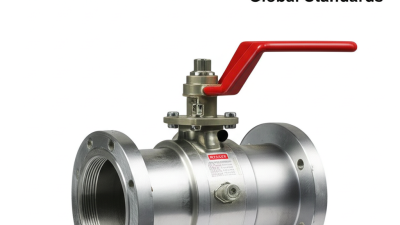
A forged steel ball valve is a pressure-control device made from heated steel billet. Forging compresses the metal and reduces internal porosity. Its body usually contains a polished ball, stem, seats, and a sealed bonnet. The ball has a drilled passage. Turn it 90 degrees, and the passage aligns with the pipeline. Flow starts. Turn it back, and the solid ball blocks the media.
The design is simple, but selection is not. Floating balls suit many moderate-pressure services. Trunnion-mounted balls reduce operating torque in larger valves. API 6D and ISO 17292 define important requirements for pipeline and industrial ball valves. ASME B16.34 also links pressure ratings with temperature and materials. A practical check must include fluid type, pressure, temperature, pipe size, seat material, and fire-safe needs.
Market data explains the attention. Fortune Business Insights valued the global industrial valve market at about USD 77.82 billion in 2023. Grand View Research projects continued growth through 2030, near a 4.8% compound annual rate. These figures show demand, not guaranteed quality. The imperfect part is often installation. A correctly rated valve can still fail after poor alignment, dirty piping, or excessive actuator torque. Check the markings. Request material certificates and pressure-test records. Do not choose only by price.
How Should You Compare Valve Materials, Pressure Classes, and Sizes?
When choosing a forged steel ball valve, compare the material against the fluid, temperature, and corrosion risks. ASTM A105 carbon steel suits many non-corrosive hydrocarbon services. ASTM A182 F316 stainless steel offers stronger resistance to chlorides and wet chemicals. It is not automatically safer. Chloride concentration, temperature, and oxygen exposure still matter. For sour service, check NACE MR0175/ISO 15156 requirements and the supplier’s material certificates.
Pressure class is not the same as working pressure. ASME B16.34 pressure-temperature tables must guide the selection. A Class 600 valve may lose allowable pressure as temperature rises. Confirm the rating at the actual operating temperature, including startup surges. API 598 testing can verify shell and seat integrity, but testing does not replace correct design calculations. The 2024 IEA Global Methane Tracker reports that nearly 40% of fossil-fuel methane emissions could be reduced at no net cost. Stem sealing and fugitive-emission performance therefore deserve serious attention.
Size the valve for flow, not only pipe diameter. Use flow coefficient, pressure drop, velocity, and cavitation checks. A valve matching a DN100 line may still need a smaller bore for stable control. An oversized ball valve often operates nearly closed. That can create poor control and unnecessary wear. I have seen selection sheets ignore future flow changes. That shortcut can become expensive. Review minimum, normal, and maximum flow conditions before approving the final size. Controls, insulation space, actuator torque, and maintenance access also need room around the valve.
How to Choose a Forged Steel Ball Valve in 2026?
How Should You Compare Valve Materials, Pressure Classes, and Sizes?
The chart shows representative pressure ratings for ASTM A105 forged carbon steel at 100°F (38°C), based on ASME B16.34 pressure-class values. Higher pressure classes provide greater pressure capacity, but the final rating must also consider operating temperature, valve design, end connections, and applicable standards.
| Selection factor |
Typical forged valve option |
Practical selection guidance |
| Material |
ASTM A105 carbon steel |
Suitable for many general oil, gas, steam, and water services when corrosion conditions are controlled. |
| Material |
ASTM A182 F316 stainless steel |
Consider for improved resistance to atmospheric, chemical, and chloride-containing environments; verify chloride and temperature limits. |
| Material |
ASTM A182 F51 duplex stainless steel |
Often selected when higher strength and resistance to chloride stress-corrosion cracking are required. |
| Pressure class |
Class 150 to Class 2500 |
Choose from the design pressure and temperature rating, not from pressure alone. Always use the material-specific pressure-temperature table. |
| Nominal size |
NPS 1 / DN25 to NPS 12 / DN300 and larger |
Match the valve size to pipe size, required flow, pressure drop, bore type, actuator torque, and installation space. |
Pressure ratings are representative values at 100°F (38°C) for ASTM A105 carbon steel: Class 150—285 psi, Class 300—740 psi, Class 600—1,480 psi, Class 900—2,220 psi, Class 1500—3,705 psi, and Class 2500—6,170 psi. Ratings decrease as temperature increases and vary by material group.
What Design Features Affect Valve Safety, Sealing, and Service Life?
How to Choose a Forged Steel Ball Valve in 2026?
What Design Features Affect Valve Safety, Sealing, and Service Life?
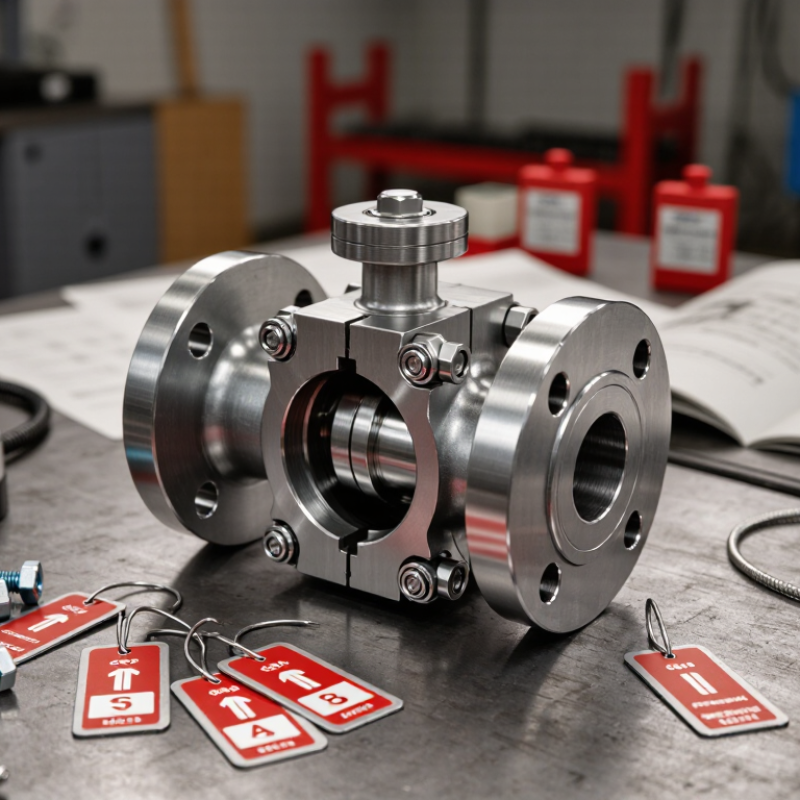
A forged steel ball valve begins with body integrity. Forging reduces common casting defects and supports stable performance under pressure. Look for a compact body, smooth flow passage, and clearly stated pressure-temperature ratings. A thicker body is not automatically safer. Material traceability, heat-treatment records, and pressure-test reports matter more than appearance.
Safety depends on several small details. An anti-blowout stem helps prevent stem ejection if internal pressure rises. Fire-safe construction can limit leakage after seals suffer heat damage. A cavity-pressure relief design may reduce dangerous pressure trapped inside the valve. The valve should also include reliable end connections and a locking device when accidental operation could create hazards. Standards such as API 608 and ASME B16.34 can guide evaluation, but certificates still require careful checking.
Sealing performance comes from the interaction between the ball, seats, stem, and surface finish. Soft seats often seal tightly, while metal seats suit abrasive or high-temperature service. Incorrect seat materials can fail quickly. Consider thermal expansion, fluid cleanliness, cycling frequency, and pressure direction. Service life also depends on corrosion resistance and stem alignment. Small misalignment causes uneven wear. It is easy to overlook.
Tips:
Check torque before installation. Excessive torque may indicate poor alignment or damaged seats. Ask for test records, not only catalog claims. Inspect the valve after the first operating cycle. This step is often skipped, and that can be a costly mistake.
How Can You Verify Quality, Standards, Installation, and Maintenance Needs?
Choosing a forged steel ball valve in 2026 requires more than comparing pressure ratings. Quality verification should begin with traceable material records. Check the heat number, forging grade, pressure class, and chemical composition. A positive material identification test can expose an incorrect alloy before installation.
Ask for documented shell and seat tests, including test pressure, duration, and acceptance criteria. Confirm that the valve design matches relevant standards, such as API 608, ASME B16.34, or applicable local requirements. Certificates should identify the actual valve, not only a product series. That detail matters. I have seen paperwork look complete while missing the serial number. A checklist can still miss obvious gaps.
Installation quality affects service life heavily. Flush debris from the pipe, protect the sealing surfaces, and align the flanges without forcing the valve into position. Check actuator clearance and confirm the flow direction where the design requires it. Apply tightening torque evenly, using calibrated tools. After commissioning, record operating torque, leakage observations, and line conditions.
Maintenance planning should reflect temperature, pressure cycles, media, and operating frequency. Inspect the stem area, body joints, actuator connections, and visible corrosion at scheduled intervals. Exercise infrequently used valves carefully, rather than forcing a seized handle. Keep test records. They reveal gradual changes better than memory. Some maintenance intervals remain uncertain until real operating data accumulates, so reviewing the plan after the first service period is sensible.