Top 10 Pressure Ball Valve Benefits and Applications?
Pressure Ball Valves play a crucial role in various industries, offering significant advantages in fluid control. According to industry expert John Smith, “The effectiveness of Pressure Ball Valves cannot be overstated. They enhance safety and reliability.” This statement highlights the importance of these valves in maintaining operational integrity.
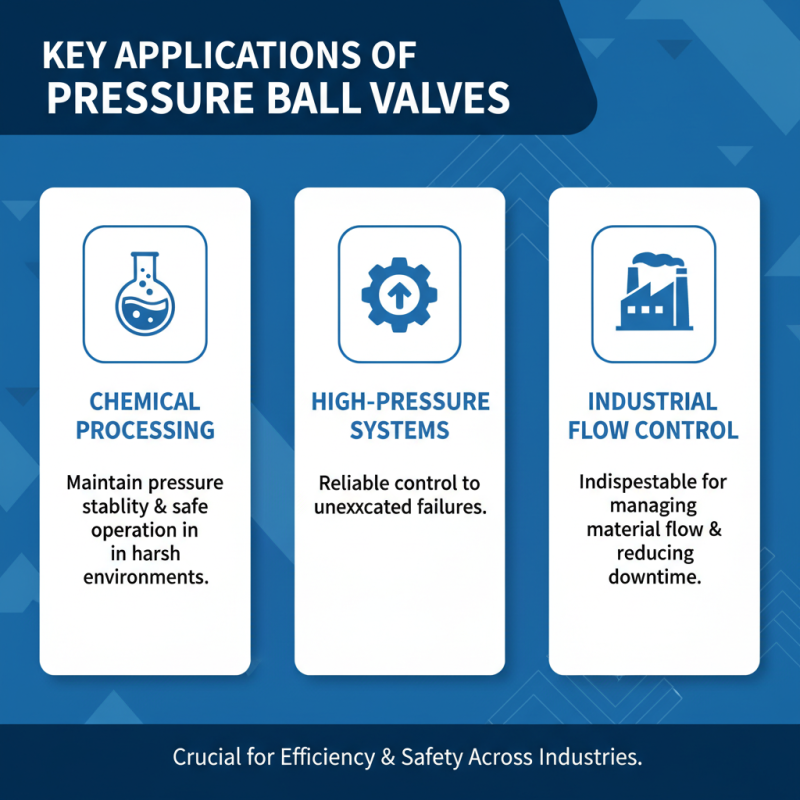
These valves are essential in high-pressure applications. They can withstand extreme conditions and provide precise flow control. Many industries, such as oil and gas, benefit immensely from their capabilities. With a design that ensures minimal leakage, Pressure Ball Valves are a preferred choice.
However, challenges remain. Installation may require specialized training and knowledge. Failure to adhere to guidelines can lead to inefficiencies. It’s important to weigh these factors. Balancing benefits and potential drawbacks is key to maximizing their use in various settings.
Advantages of Pressure Ball Valves in Fluid Control Systems
Pressure ball valves play a crucial role in fluid control systems. Their design ensures minimal flow resistance. This aspect leads to energy efficiency in operations. According to a recent industry report, fluid systems can improve efficiency by up to 30% when using high-quality ball valves. This efficiency reduction helps lower operational costs significantly.
Moreover, pressure ball valves are versatile. They work in various applications, from water treatment to oil and gas. Their ability to withstand high pressures enhances their reliability. Reports suggest that ball valves can handle pressures up to 6000 psi. However, they might not suit all environments. Some aggressive fluids can lead to premature wear, posing a challenge for long-term use.
Durability is another critical benefit. Many pressure ball valves are crafted from robust materials like stainless steel. This construction allows for extended service life. Yet, maintenance is still necessary. Neglecting regular inspections can result in unexpected failures. This oversight can be costly and disruptive, emphasizing the need for diligence in maintenance practices.
Impact of Pressure Ball Valves on System Efficiency and Safety
Pressure ball valves play a crucial role in enhancing system efficiency and safety. According to a recent industry report, these valves can reduce leakage rates by up to 80%. This significant reduction improves overall operational efficiency. The smooth flow mechanism of ball valves minimizes pressure drop, which is vital for maintaining system stability. Each drop counts in high-pressure systems.
Moreover, pressure ball valves are designed for quick responsiveness. They can shift from fully open to fully closed in just a quarter turn. This allows operators to maintain precise control over fluid flow. A notable study indicated that using ball valves in processes enhances safety ratings by nearly 30%. This improvement stems from their reliable sealing capabilities.
However, it's worth noting that not all systems benefit equally from these valves. Some specialized applications may find limitations in their use. The initial installation costs can also be a barrier for some industries. Users should weigh the operational savings against these initial expenses. As the industry evolves, ongoing research is essential to understand the long-term impacts of pressure ball valves on safety and efficiency.
Top 10 Pressure Ball Valve Benefits and Applications
| Benefit / Application |
Description |
| High Flow Capacity |
Allows for maximum flow rates with minimal resistance. |
| Durability |
Constructed from robust materials, suitable for high-pressure applications. |
| Quick Operation |
Provides rapid open and close actions for efficient flow control. |
| Versatility |
Applicable in various industries like water treatment, natural gas, and oil. |
| Corrosion Resistance |
Designed to withstand corrosive environments, prolonging lifespan. |
| Improved Safety |
Enhanced sealing capabilities reduce the risk of leaks and failures. |
| Reduced Energy Costs |
Minimized pressure drop contributes to lower energy consumption. |
| Compact Design |
Space-saving design ideal for applications with limited space. |
| Easy Maintenance |
Simplified design allows for easier servicing and part replacement. |
| Effective Leak Prevention |
Seamless construction ensures fewer leak points compared to other types. |
Comparison of Pressure Ball Valves with Other Valve Types
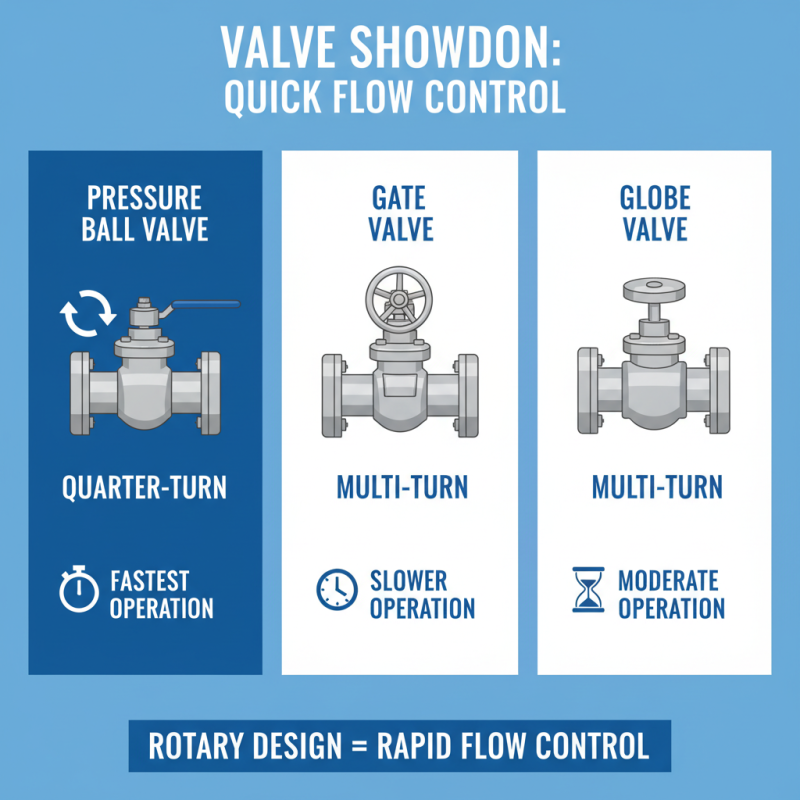
When comparing pressure ball valves to other types like gate or globe valves, their advantages are evident. Pressure ball valves offer quick operation. This is due to their rotary motion design. Unlike gate valves, which require multiple turns, ball valves operate with a simple quarter-turn to fully open or close. This feature is crucial in situations needing rapid flow control.
Tips: Always consider valve size. A smaller valve can lead to pressure build-up, affecting performance.
In terms of sealing capability, pressure ball valves excel. Their design minimizes leaks drastically. This is an important factor in critical applications. Globe valves, while reliable, tend to have higher leakage potential under certain conditions. That’s a trade-off worth examining.
Tips: Regular maintenance is key. Even quality valves can fall short without proper care.
While pressure ball valves shine in various applications, they are not a one-size-fits-all solution. Each type has its niche, and understanding these nuances is vital. Evaluate needs carefully, and consider installation environments when making a choice. This reflection can save costs and improve system performance in the long run.
Maintenance Tips for Ensuring Longevity of Pressure Ball Valves
Pressure ball valves are essential in various industries. To keep them operational, regular maintenance is crucial. Routine checks can significantly extend their lifespan. Inspect the valve frequently for leaks and corrosion. Addressing these issues promptly can prevent major failures down the line.
Here are a few practical tips. Always ensure proper lubrication on moving parts. This helps reduce wear and tear. Additionally, maintain cleanliness around the valve area. Dust and debris can lead to malfunctions. Lastly, keep an eye on the operating pressure. Operating beyond recommended levels can cause premature damage.
Regular training for staff handling these valves is necessary. They must understand the importance of maintenance. Knowledge gaps can lead to mistakes. Documenting maintenance activities can also help track valve health. Reflect on these practices. Over time, they contribute to system reliability.
Top 10 Benefits of Pressure Ball Valves