Top 10 Ball Valves You Should Consider for Global Sourcing?
Ball valves play a critical role in many industries, including oil and gas, water treatment, and manufacturing. According to a recent markets report, the global ball valve market is expected to grow at a CAGR of over 5% from 2021 to 2026. This growth is largely driven by the rising demand for efficient flow control systems. As industries evolve, sourcing high-quality ball valves becomes paramount.
Selecting the right ball valves is not merely about price or availability. It involves considering factors like material compatibility and pressure ratings. Reports indicate that improper selection can lead to failures, resulting in costly downtime and safety issues. Continuous improvement in design and manufacturing processes is vital. This can enhance reliability and performance.
To stay competitive, businesses must prioritize sourcing ball valves from trusted manufacturers. The right partnerships ensure access to advanced technologies and compliance with regulatory standards. As the market expands, so does the need for informed decisions regarding the choice of ball valves. It’s an area where expertise and reliability matter greatly, reflecting the complex interplay of technology and practical application.
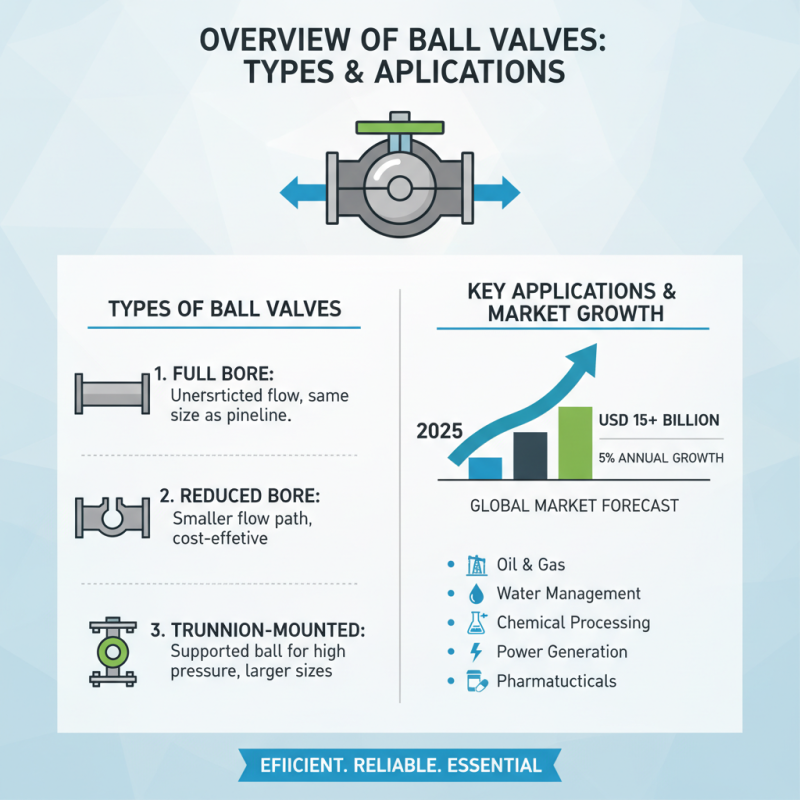
Overview of Ball Valves: Types and Applications
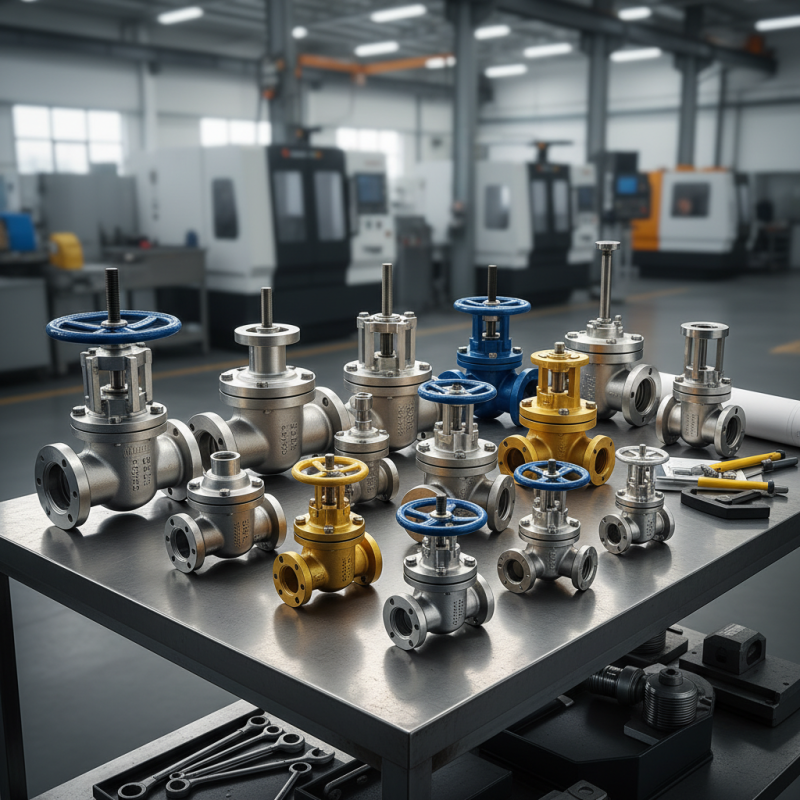
Ball valves are essential in various industries for their efficiency and reliability. These valves come in different types, including full bore, reduced bore, and trunnion-mounted designs. According to recent industry reports, the global ball valve market is expected to grow by 5% annually, reaching a value of over $15 billion by 2025. This growth underscores the demand for ball valves in applications ranging from oil and gas to water management.
Applications of ball valves are vast. In the oil and gas sector, they regulate the flow of fluids with minimal pressure drop. In water treatment facilities, they control water flow and prevent backflow. Chemical processing also relies on ball valves to handle corrosive materials safely. It's crucial to select the right type based on your specific needs and the characteristics of the fluid being transported.
Tip: Always consider the pressure rating and temperature limits of the valve. This ensures safety and longevity in operation. Also, perform regular maintenance checks to prevent leaks and failures. Failing to do so can result in costly downtimes and safety hazards. Proper training on valve operation can significantly enhance overall system reliability.
Key Factors to Consider When Sourcing Ball Valves Globally
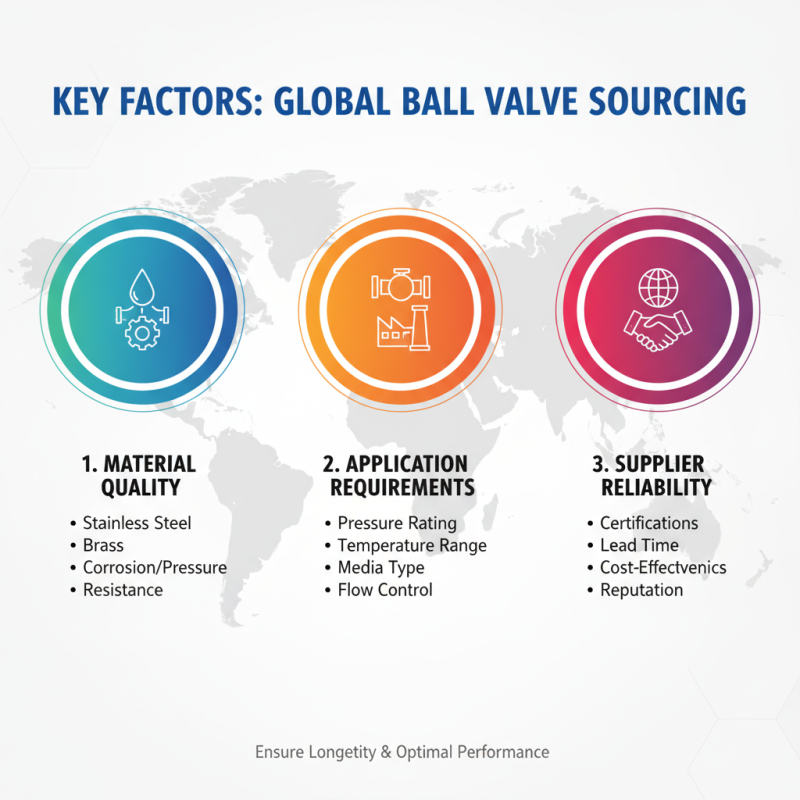
When sourcing ball valves globally, several key factors come into play. Understanding material quality is essential. Different applications require specific materials to withstand pressure and corrosion. Whether it's stainless steel, brass, or plastic, choosing the right material impacts longevity and performance.
Another important aspect is the manufacturing standards. Check if the valves meet international certifications. Compliance ensures reliability and minimizes risks. Additionally, consider the manufacturer's reputation in the industry. A proven track record often speaks to their commitment to quality and customer service.
Logistics and lead times can also affect sourcing decisions. A manufacturer’s location can result in longer delivery periods. This aspect might challenge project timelines. Communication with suppliers is vital. Misunderstandings can arise, impacting order accuracy. Be open to feedback and continuously reassess the sourcing process for improvement.
Top 10 Ball Valve Manufacturers and Their Unique Features
When considering ball valves for global sourcing, selecting the right manufacturer is critical. Many companies offer innovative features that enhance performance and reliability. Look for manufacturers that prioritize quality control and advanced materials. These companies often test their valves rigorously to ensure they can withstand high pressure and temperature variations. This is essential for industries like oil and gas.
In addition, focus on the unique designs offered by various manufacturers. Some may provide custom solutions tailored to specific needs. Others might specialize in environmentally friendly options, utilizing materials that reduce leakage risks. This is an important aspect, as leaks can lead to serious environmental concerns. It's worth noting that while many options may appear reliable, not all features guarantee long-term durability.
Some manufacturers introduce cutting-edge technology, like remote monitoring systems, enhancing operational efficiency. However, not every innovation is practical for all applications. Assess your specific requirements before choosing a provider. Ultimately, understanding each manufacturer’s strengths and limitations will aid in making an informed decision, minimizing risks in sourcing the right ball valves for your projects.
Comparative Analysis of Ball Valve Materials and Durability
When selecting ball valves for global sourcing, understanding materials and durability is crucial. Common materials include stainless steel, carbon steel, and plastic. Each material has unique properties that affect the valve's lifespan and suitability for different applications. For example, stainless steel offers excellent corrosion resistance and longevity in harsh environments. On the other hand, carbon steel is often less expensive, but may not perform well in corrosive conditions.
Tips: Always consider the specific application when choosing materials. Assess the operational conditions, such as temperature, pressure, and fluid type. This careful evaluation will enhance durability and efficiency.
Another important factor is the manufacturing process. The quality of the valve can directly impact its reliability. Look for valves that undergo rigorous testing and quality assurance measures. This ensures they meet industry standards. Often, valves manufactured with precision techniques can withstand higher pressures and temperatures.
Tips: Don't overlook maintenance requirements. Some materials may need regular inspections or replacements over time. Assessing these needs can save costs in the long run and avoid unexpected failures that disrupt operations.
Top 10 Ball Valves You Should Consider for Global Sourcing
| Valve Type |
Material |
Size Range (inches) |
Pressure Rating (ANSI) |
Temperature Rating (°F) |
Durability (Cycles) |
| Floating Ball Valve |
Stainless Steel |
0.5 - 6 |
150 |
-20 to 300 |
500,000 |
| Trunnion Ball Valve |
Carbon Steel |
2 - 24 |
300 |
-20 to 400 |
1,000,000 |
| Cryogenic Ball Valve |
Low Temperature Carbon Steel |
1 - 12 |
150 |
-320 to 100 |
200,000 |
| PVC Ball Valve |
PVC |
1 - 4 |
Schedule 40 |
32 to 140 |
100,000 |
| Full Port Ball Valve |
Brass |
0.5 - 2 |
600 |
-20 to 200 |
300,000 |
| V-Port Ball Valve |
Stainless Steel |
1 - 6 |
150 |
-20 to 300 |
400,000 |
| Electric Ball Valve |
Stainless Steel |
1 - 4 |
150 |
-20 to 150 |
100,000 |
| Manual Ball Valve |
Carbon Steel |
0.75 - 8 |
300 |
-20 to 200 |
250,000 |
| Metal Seated Ball Valve |
Alloy Steel |
1 - 12 |
600 |
-20 to 600 |
1,000,000 |
| Pneumatic Ball Valve |
Stainless Steel |
0.5 - 6 |
150 |
-20 to 200 |
500,000 |
Best Practices for Quality Assurance in Ball Valve Sourcing
When sourcing ball valves globally, ensuring quality is paramount. Establishing a robust quality assurance process is essential to avoid costly mistakes. Start by defining clear specifications that match the intended application. This helps suppliers understand your requirements better.
Regular supplier audits can prevent issues down the road. Inspect their manufacturing processes and quality control measures. Make sure they use reliable materials. This reduces the risk of product failure. Testing samples against industry standards also plays a crucial role. It confirms that the products meet the necessary performance criteria.
Tip: Create a checklist for evaluating suppliers. Include aspects like certification, production capacity, and lead times. Encourage open communication for quick issue resolution. Regular updates can foster a strong partnership. This way, both parties can address concerns proactively.
Remember, not all suppliers will meet your expectations. Be prepared to reassess your options. A thorough review post-procurement can help identify pitfalls. Gaining insights from each sourcing experience improves future decisions.
Top 10 Ball Valves You Should Consider for Global Sourcing