Top Screwed Ball Valves for Global Buyers in 2026?
In the evolving landscape of industrial equipment, "Screwed Ball Valves" stand out for their versatility and reliability. These valves are crucial for controlling fluid flow in various applications, including oil, gas, and water systems. As we approach 2026, global buyers face the challenge of selecting the best products available.
Many options exist in the market, making decision-making complex. Buyers should prioritize quality and performance. However, not all manufacturers meet these standards. It's important to conduct thorough research and seek expert recommendations. Understanding the specifications and the manufacturer’s reputation is vital.
Yet, even the best valves can have limitations. Potential buyers may overlook crucial details, such as compatibility with existing systems. Recognizing these factors can lead to better purchasing decisions. Ultimately, the right choice in Screwed Ball Valves will greatly enhance operational efficiency and workflow.
Overview of Screwed Ball Valves: Definition and Importance
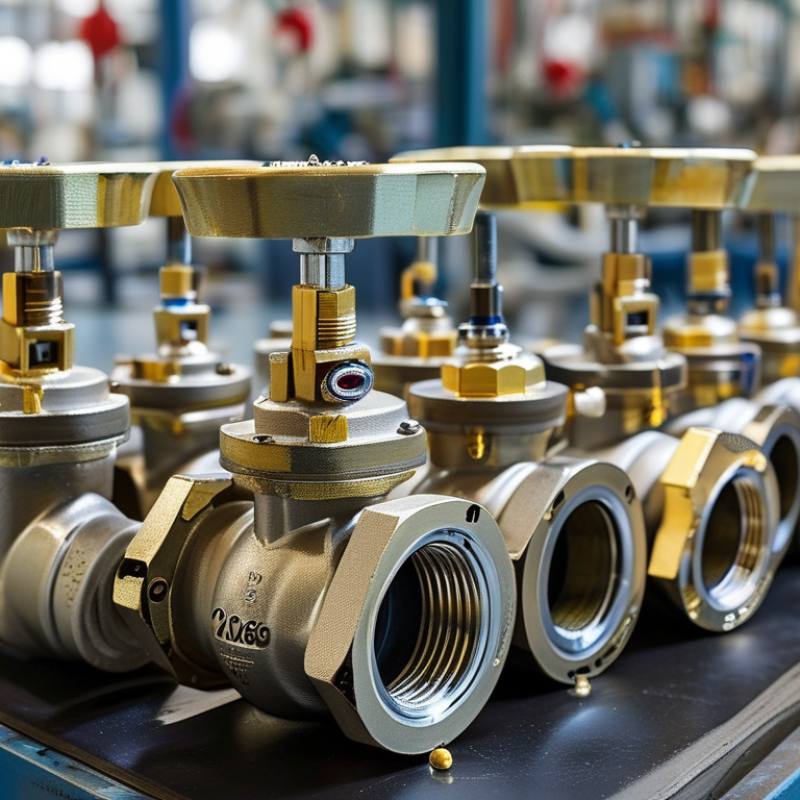
Screwed ball valves are essential components in many industrial applications. They provide a reliable means to control fluid flow. Their design includes a ball with a hole that rotates within the valve body. This simple mechanism offers a secure shut-off feature. Many industries rely on these valves for their ease of use and effectiveness.
The importance of screwed ball valves cannot be overstated. They ensure safety in systems transporting liquids and gases. These valves are made from durable materials to withstand pressure. However, not all screws are created equal. Some may fail under extreme conditions or improper installation. Users must pay attention to maintenance procedures to prevent leaks.
In selecting the right valve, buyers should consider various factors. These include material compatibility, temperature tolerance, and pressure ratings. It can be challenging to navigate the options available. Doing thorough research is crucial. Users must reflect on their specific needs and operational conditions. Ultimately, selecting the right valve can enhance system efficiency and longevity.
Key Materials Used in Screwed Ball Valve Manufacturing
Screwed ball valves play a crucial role in various industries. Their effectiveness depends significantly on the materials used in their construction. Materials like stainless steel, brass, and plastic are commonly utilized. Each material offers unique advantages and challenges.
Stainless steel is favored for its strength and corrosion resistance. However, it can be expensive, which may limit its use in some applications. Brass valves are more affordable but may not withstand harsh conditions as well. Plastic valves offer lightweight solutions, yet they might not be suitable for high-pressure environments. Selecting the right material is essential and often requires careful consideration of the application and budget.
In the manufacturing process, ensuring quality control is vital. Inconsistencies can lead to valve failure, affecting system performance. Testing materials for durability and resistance to chemicals can prevent future issues. A thorough understanding of these aspects helps in producing reliable ball valves that meet industry demands.
Top Manufacturers and Brands in the Global Screwed Ball Valve Market
In the global screwed ball valve market, various manufacturers are shaping industry standards. The focus lies on innovation and reliability. Many companies emphasize quality materials and advanced manufacturing processes. These factors ensure optimal performance in various applications, from oil and gas to water treatment.
Key players in the market are noted for their expertise and experience. Their technical knowledge drives the development of valves that withstand extreme conditions. However, some manufacturers struggle with consistency in their production standards. This inconsistency can lead to reliability issues in crucial applications. Buyers must remain vigilant when choosing suppliers.
Competition among manufacturers is fierce. Brands are constantly innovating to improve efficiency. Yet, the pressure to reduce costs often compromises quality. This dilemma raises concerns about long-term performance. Companies must find a balance between affordability and durability to meet global demand effectively.
Global Screwed Ball Valve Market Trends in 2026
Market Trends and Innovations in Screwed Ball Valve Technology
The market for screwed ball valves is seeing exciting innovations in 2026. Manufacturers are focusing on improving durability and efficiency. New materials are being tested to enhance resistance to corrosion and wear. These innovations help meet the rising demands in various industries.
Smart technology is also making an entrance in this sector. The integration of IoT devices allows for remote monitoring and control. This ensures better performance and lower maintenance costs. However, there are challenges. Adapting existing systems to incorporate these technologies isn't straightforward.
Sustainability is becoming a key trend. Eco-friendly practices are being adopted by some manufacturers. This shift could reshape how these valves are produced. There is still an ongoing debate on balancing cost and environmental impact. The future of screwed ball valves lies in addressing these challenges while embracing technological advancements.
Future Outlook: Predictions for the Screwed Ball Valve Market by 2026
The screwed ball valve market is poised for significant growth by 2026. Increased demand from various industries drives this trend. Key sectors include oil and gas, water treatment, and chemicals. As these industries expand, the need for reliable, durable valves becomes essential.
Future designs may focus on enhanced materials. Advanced composites could replace traditional metals to improve longevity. Innovations in sealing technology will likely reduce leaks and maintenance needs. Buyers might seek options with better performance in extreme temperatures and pressures.
However, the market faces challenges. Regulatory requirements may tighten, affecting manufacturing processes. Companies must adapt to these changes while ensuring product quality. Customer education remains crucial; understanding valve function fosters smarter purchasing decisions. As the market evolves, ongoing research will play a vital role in addressing these hurdles.
Top Screwed Ball Valves for Global Buyers in 2026 - Future Outlook: Predictions for the Screwed Ball Valve Market by 2026
| Valve Type |
Material |
Size Range (inches) |
Pressure Rating (psi) |
Estimated Market Share (%) |
| Standard Screwed Ball Valve |
Carbon Steel |
1 - 8 |
150-300 |
25 |
| High-Performance Screwed Ball Valve |
Stainless Steel |
2 - 10 |
300-600 |
30 |
| Full Port Screwed Ball Valve |
Brass |
1/2 - 6 |
150-400 |
20 |
| Reduced Port Screwed Ball Valve |
PVC |
1 - 4 |
150 |
15 |
| Custom Screwed Ball Valve |
Alloy Steel |
1 - 12 |
600-1500 |
10 |