Top 10 Trunnion Ball Valves You Need to Know About?
Trunnion Ball Valves play a crucial role in various industrial applications, including oil, gas, and chemical processing. According to a report by Grand View Research, the global valve market is expected to reach $100 billion by 2025, with Trunnion Ball Valves seeing significant growth due to their reliability and durability. These valves are designed for high-pressure operations, making them essential for industries where safety and performance are paramount.
Leading manufacturers emphasize the importance of selecting the right valve type for specific applications. Trunnion Ball Valves offer improved flow control and minimal leakage thanks to their unique design. A study published in the Journal of Pressure Vessel Technology highlights their effectiveness in maintaining performance under extreme conditions. However, challenges remain regarding maintenance and proper installation. Users often underestimate the need for specialized training.
As demand for Trunnion Ball Valves increases, so does the need for industry expertise. Knowledgeable professionals can navigate complexities, ensuring optimal application and compliance with current standards. Addressing common misconceptions about valve types is critical. This understanding helps organizations minimize downtime and maintain operational efficiency.
Overview of Trunnion Ball Valves and Their Applications
Trunnion ball valves play a critical role in various industrial applications. These valves are designed to provide reliable flow control in high-pressure systems, including oil and gas, chemical processing, and water treatment. According to a recent market analysis, the global trunnion ball valve market is expected to reach USD 6.5 billion by 2028, growing at a compound annual growth rate (CAGR) of 5.2% from 2021. This growth reflects their increasing adoption across multiple sectors.
In oil and gas industries, these valves offer improved sealing and reduced operating torque. Their design enables them to handle larger pipe sizes and high-pressure conditions effectively. However, installation and maintenance can become complex, leading to potential challenges. A report by industry experts highlights that nearly 15% of valve failures are linked to improper installation practices. The ability to maintain and adjust these valves is crucial, as even a minor error can result in significant leaks or system failures.
Applications extend beyond oil and gas. They are also essential in the pharmaceutical sector, where sanitary conditions are vital. Here, the cleanliness and reliability of these valves are paramount. However, the demand for high tolerance and precision can raise costs and lead to supply chain issues. Keeping up with technological advancements while ensuring quality can leave many manufacturers grappling with inconsistencies in products.
Top 10 Trunnion Ball Valves You Need to Know About
| Model |
Size (Inch) |
Pressure Rating (ANSI) |
Body Material |
Application |
| Model A |
2 |
150 |
Carbon Steel |
Oil & Gas |
| Model B |
3 |
300 |
Stainless Steel |
Water Treatment |
| Model C |
4 |
600 |
Alloy Steel |
Chemical Processing |
| Model D |
6 |
900 |
Duplex Steel |
Power Plants |
| Model E |
8 |
1500 |
Bronze |
Marine Applications |
| Model F |
10 |
300 |
PVC |
Waste Water |
| Model G |
12 |
600 |
Titanium |
Pharmaceuticals |
| Model H |
14 |
900 |
HDPE |
Irrigation |
| Model I |
16 |
300 |
Cast Iron |
Building Services |
| Model J |
18 |
1500 |
Copper-Nickel |
Nuclear |
Key Features That Differentiate Trunnion Ball Valves from Other Types
Trunnion ball valves stand out due to their unique design and functionality. Unlike floating ball valves, trunnion valves have a fixed ball supported by trunnions. This design minimizes the risk of wear and enhances sealing performance. They're particularly effective in high-pressure applications, making them a preferred choice in various industries.
One key feature of trunnion ball valves is their ability to handle larger flow rates. They can easily manage larger piping systems. This aspect is crucial when dealing with industrial processes. Their construction often includes two or more seats for extra sealing, which differentiates them from traditional valves.
Tips: Regular maintenance is essential for optimal performance. Inspect seals and trunnions periodically. Be aware that excessive torque can lead to damage over time. Choosing the right valve for your specific application can improve efficiency. Always consult with a professional before making a decision.
Top 10 Recommended Trunnion Ball Valves for Various Industries
Trunnion ball valves have gained significant attention across various industries. They are designed with a fixed shaft that enhances stability and reduces wear. These features make them ideal for applications involving high pressure and temperature.
In the oil and gas sector, these valves provide reliable isolation. Their robust design withstands the harshest environments.
For the water treatment industry, trunnion ball valves offer precision control. They help maintain the flow rate efficiently, ensuring safe water delivery.
Choosing the right valve often requires careful consideration. Factors like materials and operating conditions are crucial. Some users may overlook these details, leading to potential failures.
Always analyze your specific requirements before deciding. Remember, not all valves suit every application, and that’s an essential reflection in the selection process.
Factors to Consider When Choosing a Trunnion Ball Valve
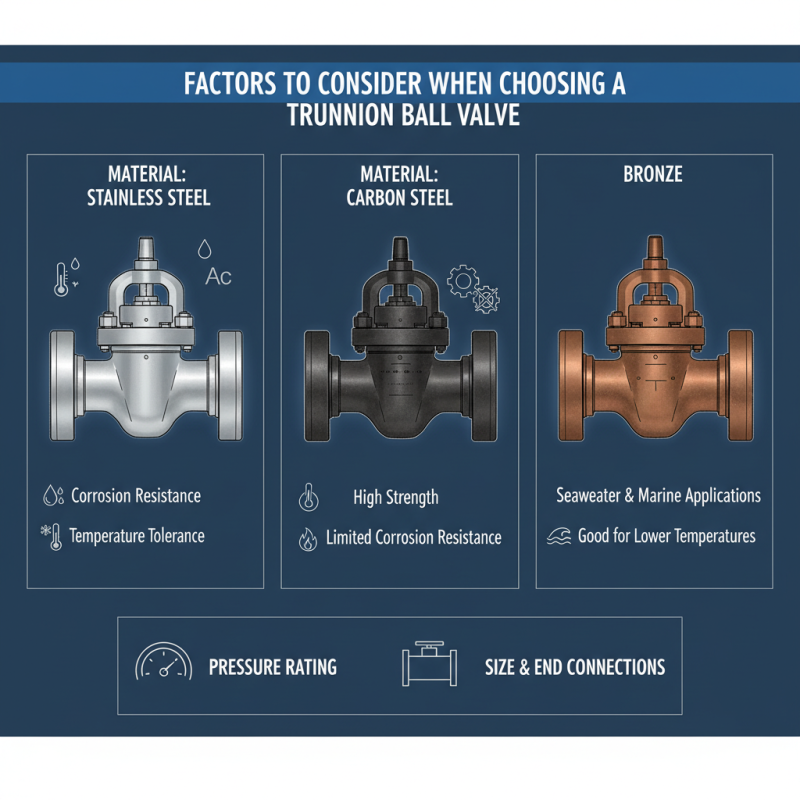
When selecting a trunnion ball valve, several key factors should be carefully evaluated. The first is the valve's material. Common materials include stainless steel, carbon steel, and bronze. Each material has unique properties that can impact performance in different environments. Consider factors like corrosion resistance and temperature tolerance.
Another critical aspect is the valve’s pressure rating. This rating determines how much pressure the valve can withstand. Ensure the valve matches the specific demands of your application. Additionally, take the time to assess the size and dimensions. Proper sizing is vital for ensuring optimal flow and functionality.
Don't overlook the actuator type. Valves can be manual, electric, or pneumatic. Each has its own advantages and limitations. Reflect on the ease of operation and maintenance in your decision. Finally, keep in mind industry standards and certifications. These can help guarantee safety and reliability in demanding situations.
Maintenance Tips for Ensuring Optimal Performance of Trunnion Ball Valves
Trunnion ball valves are essential in various industries due to their ability to handle
high pressure and flow rates. Proper maintenance is key to ensuring
these valves perform optimally. Regular inspections and timely servicing can prevent costly breakdowns.
Tips can help you maintain these valves effectively. Check the valve’s seals for wear regularly.
Tighten any loose bolts or fittings to prevent leaks. Clean the valve interior to remove
any build-up of debris. These small efforts can make a significant
difference in longevity.
Another useful tip is to monitor for unusual noises during operation. Any grinding or rattling
can indicate an underlying issue. Addressing these sounds early can save time and money. Keeping detailed
maintenance records can assist in identifying patterns and predicting potential problems.
It’s the details that can lead to improvement.