What is a Trunnion Ball Valve and How Does it Work?
Trunnion Ball Valves are essential components in many industries. They are widely used for controlling the flow of fluids. These valves are designed with a unique structure that offers benefits over traditional ball valves.
The trunnion design provides stability and reduces wear. This stability is crucial in high-pressure applications. Trunnion Ball Valves can withstand significant internal pressures. They are often used in oil and gas, water treatment, and chemical processing. Ensuring reliability in these sectors is non-negotiable.
However, not all Trunnion Ball Valves are made the same. Quality varies, and it's vital to choose the right manufacturer. Misuse or poor installation can lead to failures. When selecting a valve, consider its materials and specifications carefully. This choice impacts performance and safety. Understanding how these valves work is crucial for effective application.
What is a Trunnion Ball Valve and its Key Characteristics?
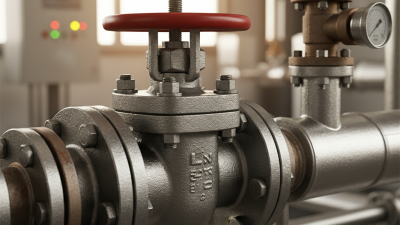
A trunnion ball valve is a type of valve that has a ball with a trunnion (pivot point) secured to its body. This design allows for better control of flow and pressure, particularly in high-pressure applications. These valves are typically used in oil and gas, power generation, and water treatment industries. According to a recent market analysis, the trunnion ball valve market is projected to grow at a CAGR of 7.8% from 2021 to 2028, reflecting their increasing importance in various industrial applications.
Key characteristics of trunnion ball valves include their ability to handle high pressures and large flow rates. The trunnion design reduces the friction and wear compared to floating ball valves. This leads to less frequent maintenance needs and longer service life. Additionally, trunnion ball valves can provide tight sealing capabilities, which is crucial for preventing leakages in high-stakes environments.
Tips: Regular maintenance is essential. Check for wear and tear. Keeping valves cleaned can enhance lifespan significantly. Always consult installation guides for best practices. Balancing cost and quality is a challenge. Choosing the right materials for specific environments is vital. Ensure you consider operating temperature and pressure ratings carefully.
The Design and Components of a Trunnion Ball Valve Explained
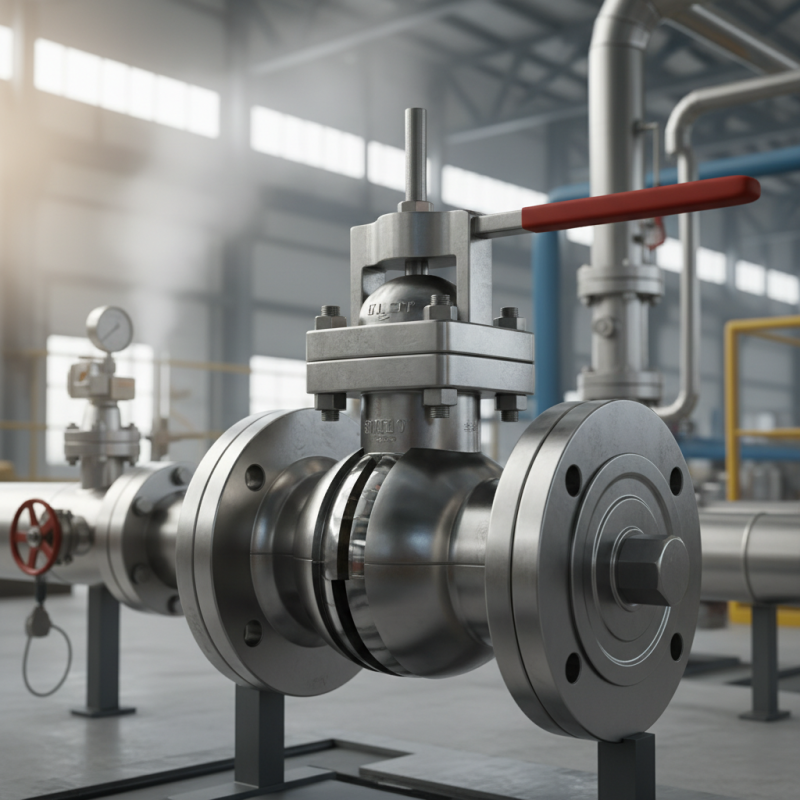
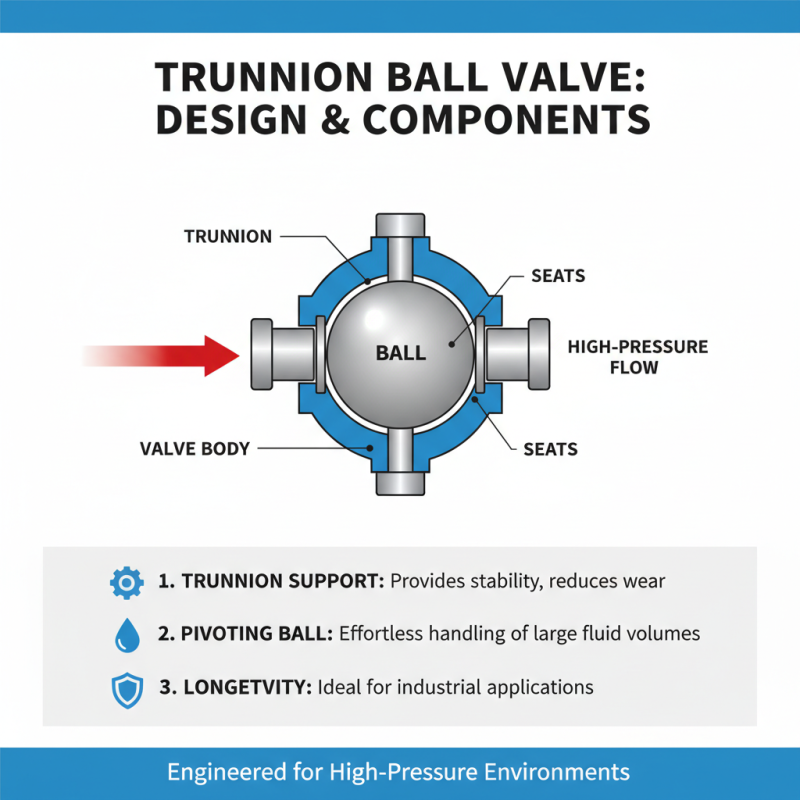
A trunnion ball valve is engineered for high-pressure environments. Its design includes a ball with a trunnion, which provides support and stability. This feature allows the valve to handle larger volumes of fluid with ease. The ball pivots on two fixed trunnions, minimizing wear and tear during operation. This construction is crucial for longevity in industrial applications.
The primary components of a trunnion ball valve include the body, ball, trunnions, and seals. The body is often made from robust materials like stainless steel. The seals are designed to prevent leaks, ensuring safety and efficiency. Maintenance can be challenging due to the complexity of assembly. Over time, seals can wear, which may lead to fluid leakage. It is essential to inspect and replace components as needed to maintain optimal performance.
In many cases, operators may overlook maintenance schedules. This oversight can result in reduced efficiency or unexpected failures. Regular check-ups are vital for reliability. Attention to detail in understanding each component's role aids in better performance of the trunnion ball valve.
How Trunnion Ball Valves Operate: The Mechanisms Behind Their Function
Trunnion ball valves are essential in various industrial applications. They feature a ball supported by trunnions, enabling precise control of flow. This design reduces wear and tear, enhancing durability. When the valve is in the open position, the ball rotates, allowing fluid to pass freely. Closing the valve rotates the ball 90 degrees, sealing the flow.
The mechanism includes a stem attached to the ball and a housing that protects the internal components. When you turn the handle, it moves the stem, rotating the ball smoothly. This design minimizes friction and ensures a reliable seal. However, over time, debris can accumulate, affecting performance. Regular maintenance is crucial to prevent issues.
Trunnion ball valves are preferred for high-pressure applications. They provide excellent flow characteristics and are easy to operate. Despite their advantages, they can be complex to install. Operators often need training for proper handling. This complexity might deter some users. Understanding the operational mechanism is essential for optimal use.
Trunnion Ball Valve Operational Parameters
Applications and Industries that Utilize Trunnion Ball Valves
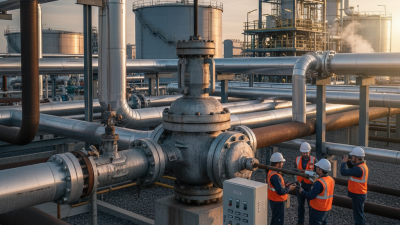
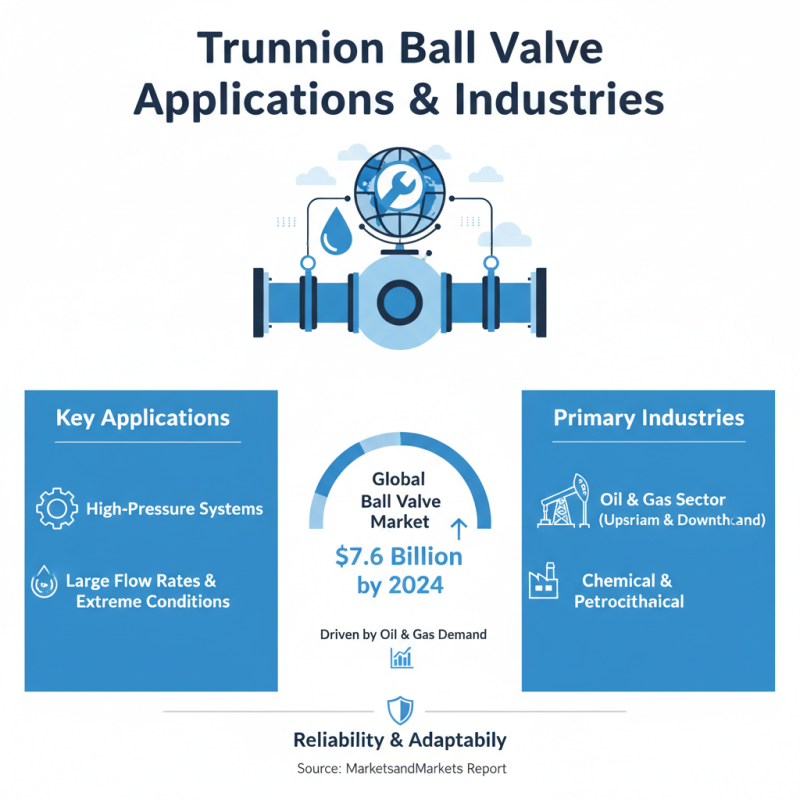
Trunnion ball valves find extensive use across various industries due to their reliability and adaptability. They are particularly effective in the oil and gas sector, where they manage high-pressure applications. According to a report by MarketsandMarkets, the global ball valve market is expected to reach $7.6 billion by 2024, mainly driven by the increasing demand from this sector. The ability to handle large flow rates and withstand extreme conditions makes trunnion valves a preferred choice for upstream exploration and downstream refining processes.
In the water and wastewater industry, trunnion ball valves play a critical role in controlling and directing water flows. For example, they manage the flow in treatment plants and distribution systems. A study from Grand View Research indicates that the growing global population will increase water demand by 55% by 2050. This rising need for efficient water management systems highlights the importance of durable valves that can withstand corrosive environments. However, there are challenges associated with their installation and maintenance. Regular check-ups are necessary to prevent leaks and ensure long-term performance.
Trunnion ball valves are also beneficial in chemical processing industries. They handle various corrosive substances and provide tight sealing even under fluctuating temperatures. But, the initial costs can be high for some applications. Companies often struggle with balancing upfront investment and long-term savings. The performance of these valves can be influenced by environmental factors, which require ongoing attention to operation conditions. Despite the challenges, trunnion ball valves remain key components in numerous industrial applications, illustrating their versatility and significance in modern manufacturing systems.
Advantages of Trunnion Ball Valves Over Other Valve Types in Fluid Control
Trunnion ball valves offer several advantages over traditional valve types in fluid control applications. Their design includes a support shaft, which allows the ball to pivot. This reduces wear and prolongs the valve's lifespan. Industry reports indicate that trunnion ball valves have a lower operating torque. This translates to easier operation and less energy consumption—key benefits in large-scale operations.
One notable advantage is leakage prevention. Research shows that trunnion ball valves can achieve lower leakage rates compared to other valves. This is crucial in industries needing high reliability. For instance, a study revealed that improper sealing led to losses exceeding $1 billion in certain sectors. The tight sealing mechanism of trunnion ball valves minimizes such risks.
Moreover, these valves handle high pressure and temperature, making them suitable for extreme environments. Their robust structure allows them to withstand challenging conditions that other valves might falter under. While their initial costs may be higher, the long-term savings from reduced maintenance and failures often offset these expenses. It's essential to weigh these factors carefully when choosing the right valve for specific applications.
What is a Trunnion Ball Valve and How Does it Work? - Advantages of Trunnion Ball Valves Over Other Valve Types in Fluid Control
| Feature |
Trunnion Ball Valve |
Other Valve Types |
| Design |
Pivoting ball mounted on trunnion |
Floating or rotary ball design |
| Torque Requirement |
Lower torque, easier operation |
Higher torque, more force needed |
| Leakage Prevention |
Superior sealing capability |
Variable sealing effectiveness |
| Applications |
High-pressure and high-flow systems |
Various, but can be limited by pressure |
| Maintenance |
Low maintenance requirements |
Potential for more frequent maintenance |
| Material Options |
Wide range including carbon steel and stainless steel |
Limited material choices |