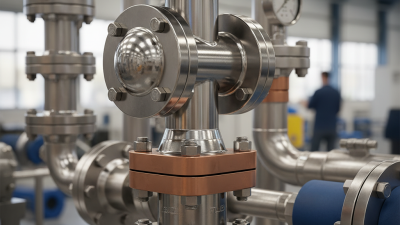
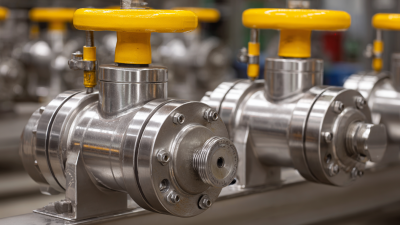
Why Choose Trunnion Mounted Valves for Your Pipeline Needs?
In the evolving landscape of pipeline technology, the selection of valves plays a pivotal role. Experts emphasize the importance of choosing the right valve to ensure safety and efficiency. Mark Johnson, a leading authority in valve engineering, once stated, "Trunnion Mounted Valves provide unmatched stability and performance in demanding environments."
These valves are designed to handle high pressures and maintain integrity under extreme conditions. Their unique design minimizes friction and wear, enhancing longevity. Trunnion Mounted Valves also offer better sealing, which reduces the risk of leaks. A reliable choice, but like any technology, they are not without their flaws.
Some installations may encounter challenges with maintenance access. Furthermore, initial costs can be a barrier for smaller projects. However, the long-term benefits often outweigh these challenges. The industry continues to debate the best practices for their use, highlighting the need for ongoing evaluation in valve selection. Careful consideration and expertise are essential in navigating these complexities.
Benefits of Trunnion Mounted Valves in Pipeline Applications
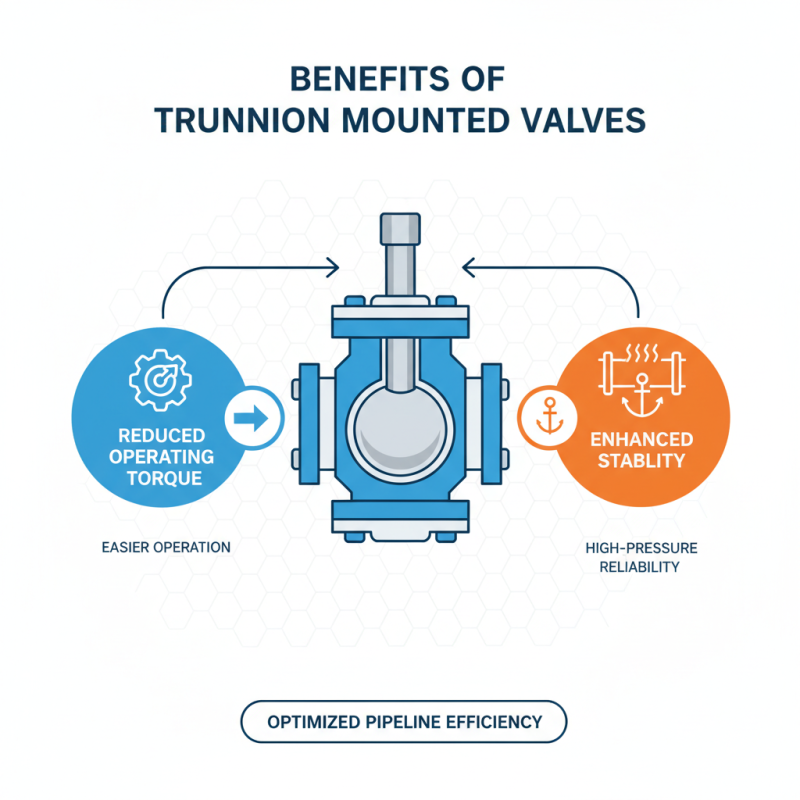
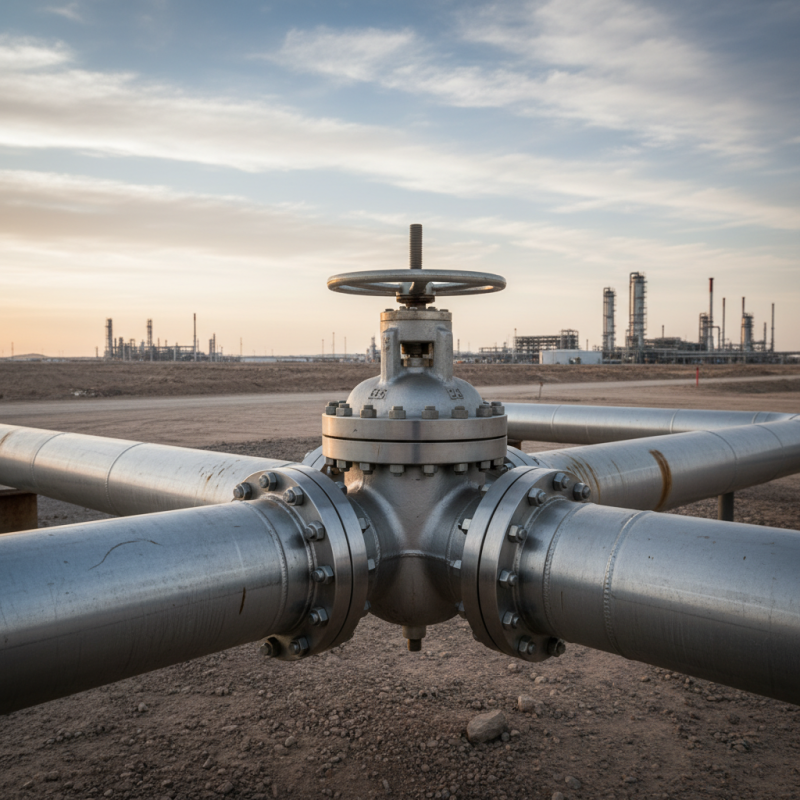
Trunnion mounted valves are increasingly popular in pipeline applications. They offer unique benefits that can enhance efficiency. These valves have a support structure that reduces the torque required to operate them. This design also provides stability, even under high-pressure conditions.
One significant advantage is their ability to handle high flow rates. With a streamlined flow path, they minimize turbulence and pressure loss. This efficiency can lead to considerable energy savings. However, it’s essential to consider installation and maintenance challenges. Proper alignment can be tricky, and regular checks are needed to prevent leaks.
Another detail to note is the type of materials used. Choosing the right materials affects durability and performance. Stainless steel is often preferred for its corrosion resistance. Yet, not all environments are the same; some may require specialized coatings or designs. Overall, while trunnion mounted valves can be beneficial, each application must be evaluated carefully.
Comparison of Trunnion Mounted Valves and Conventional Valves
Trunnion mounted valves have gained popularity for various pipeline applications. Their design offers advantages over conventional valves. A 2022 industry report indicates that trunnion valves can handle higher pressure and larger volumes more efficiently. This efficiency is critical for industries like oil and gas, where pipeline integrity is paramount.
Conventional valves can suffer from excessive wear and tear. This leads to increased maintenance costs. A study reveals that trunnion mounted valves can reduce maintenance needs by up to 30%. Their design helps manage pressure differently, allowing for better flow control. The crucial aspect here is the stability provided by the trunnion support, which minimizes vibration and turbulence.
However, trunnion valves are not without challenges. Initial installation costs can be higher. Some manufacturers report concerns with sealing performance under certain conditions. Proper training for personnel is essential for optimal use. Ultimately, while trunnion mounted valves present numerous benefits, careful consideration is necessary to maximize their effectiveness.
Why Choose Trunnion Mounted Valves for Your Pipeline Needs? - Comparison of Trunnion Mounted Valves and Conventional Valves
| Feature |
Trunnion Mounted Valves |
Conventional Valves |
| Torque Required |
Lower torque requirement due to design |
Higher torque requirement for operation |
| Size Range |
Available in larger sizes (up to 60 inches) |
Typically limited to smaller sizes |
| Pressure Rating |
Higher pressure ratings available |
Lower pressure ratings generally |
| Maintenance |
Generally lower maintenance needs |
May require more frequent maintenance |
| Cost |
Higher initial cost, but longer lifespan |
Lower initial cost, but shorter lifespan |
| Flow Control |
Better flow control due to seat alignment |
Flow control can be inconsistent |
| Applications |
Ideal for high pressure and large diameter pipelines |
Common in low to medium pressure applications |
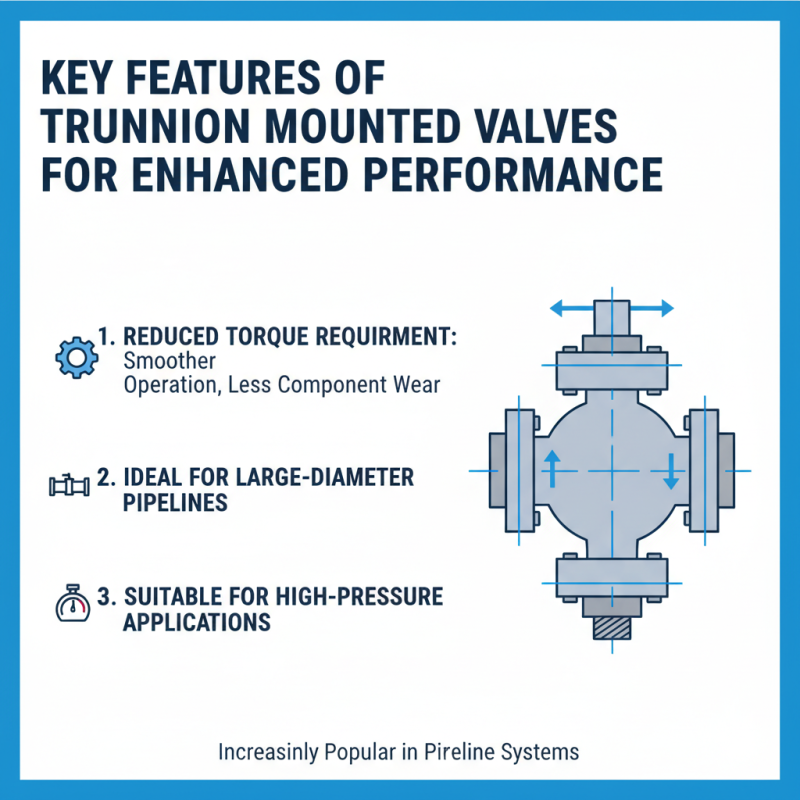
Key Features of Trunnion Mounted Valves for Enhanced Performance
Trunnion mounted valves are increasingly popular in pipeline systems. Their design offers several advantages. One key feature is the reduced torque requirement during operation. This enables smoother functioning and less wear on components. These valves are ideal for large-diameter pipelines and high-pressure applications.
Another significant aspect is their ability to handle various media. Whether it’s water, oil, or gas, trunnion mounted valves perform reliably. They are highly durable, which leads to longer service life. Additionally, these valves maintain a tighter seal under pressure, minimizing leaks. This reliability is critical for safety in pipeline operations.
Tip: Regular maintenance is essential. Check for signs of wear or corrosion. Early detection can save costs and prevent failures.
Trunnion mounted valves also provide more efficient flow control. Their unique design allows for better flow patterns. However, they may require careful installation and alignment. A small error could lead to operational issues.
Tip: Always refer to installation guidelines. Proper setup is vital for optimal performance.
Applications of Trunnion Mounted Valves in Various Industries
Trunnion mounted valves are increasingly popular in various industries due to their enhanced stability and efficiency. They are commonly used in oil and gas, water treatment, and chemical processing sectors. According to a report by Market Research Future, the global valve market is projected to reach $98 billion by 2025, with a significant portion allocated to trunnion mounted types.
In the oil and gas industry, these valves are favored for their high-pressure capabilities. They can withstand extreme conditions and harsh environments. This reliability ensures safety and reduces maintenance costs. A comparative analysis by the International Journal of Engineering Research found that trunnion valves exhibit a 20% lower failure rate than floating ball valves.
Tip: When selecting valves, consider the media type and operating environment. Matching the valve design to its specific application is crucial for optimal performance.
Water treatment plants also benefit from trunnion mounted valves. They manage flow rates efficiently, contributing to overall system reliability. However, choosing the wrong size can lead to significant operational inefficiencies. An industry study revealed that improper sizing can cause up to a 30% energy loss.
Tip: Regularly assess valve conditions and sizing needs. Monitoring performance helps identify potential issues before they escalate.
Maintenance and Longevity of Trunnion Mounted Valves in Pipelines
Trunnion mounted valves are gaining popularity in pipeline applications. Their design offers significant benefits in terms of maintenance and longevity. These valves have a simple structure that enables easy disassembly. This is crucial for efficient maintenance, which can be a tedious task. Reduced downtime is achieved when repairs are necessary.
The long lifespan of trunnion mounted valves is another key factor. They can withstand high pressures and harsh conditions. This durability translates to fewer replacements over time, making them cost-effective. However, some users may overlook regular inspections. Neglecting these checks can lead to unexpected failures. Vigilant monitoring is essential for ensuring these valves operate efficiently.
Ultimately, the decision to use trunnion mounted valves hinges on understanding their maintenance needs. Investing time in routine checks can prevent costly issues. The focus should also be on training personnel to handle these valves properly. Without proper knowledge, even the best valves can underperform. Reflecting on maintenance routines can help enhance the reliability of your pipeline system.
Trunnion Mounted Valves Maintenance and Longevity Comparison