- Home
- Products
- About Us
- Application Cases
- CLIENT & FACTORY
- Test
- News
- Contact Us
Leave Your Message
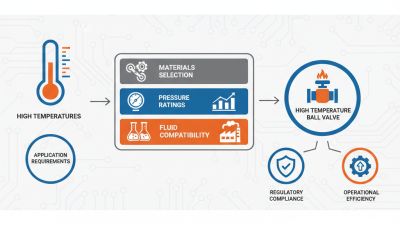
Why Choose a High Temperature Ball Valve? The answer begins with control, material stability, and operating risk. In furnaces, thermal oil lines, steam systems, and chemical processing equipment, ordinary valves may lose sealing performance as temperatures rise. A High Temperature Ball Valve is designed for demanding service, where metal seats, graphite packing, and heat-resistant body materials help maintain reliable shutoff.
Philip L. Skousen, author of The Valve Handbook, stated, “The valve is the final control element in a process system.” His observation remains highly practical. A valve can look robust on a specification sheet, yet fail when thermal expansion changes clearances or damages soft seals. Engineers must examine pressure, temperature, media, cycling frequency, and installation orientation together.
A properly selected High Temperature Ball Valve can reduce leakage, simplify isolation, and support faster maintenance. Its quarter-turn operation also gives operators clear, immediate control. That matters beside a hot pipeline, where every unnecessary second increases exposure and downtime.
Still, the choice is not automatically correct. Metal seats may require greater operating torque. Poor alignment can distort the stem. Repeated heating and cooling can reveal weaknesses that laboratory tests miss. This is where field experience matters. Inspect the valve after real thermal cycles, not only after purchase.
Reliable selection should include documented test data, compatible materials, correct actuator sizing, and a maintenance plan. The best valve is not merely the one with the highest temperature rating. It is the one that continues sealing when the plant is hot, vibrating, imperfect, and under pressure.
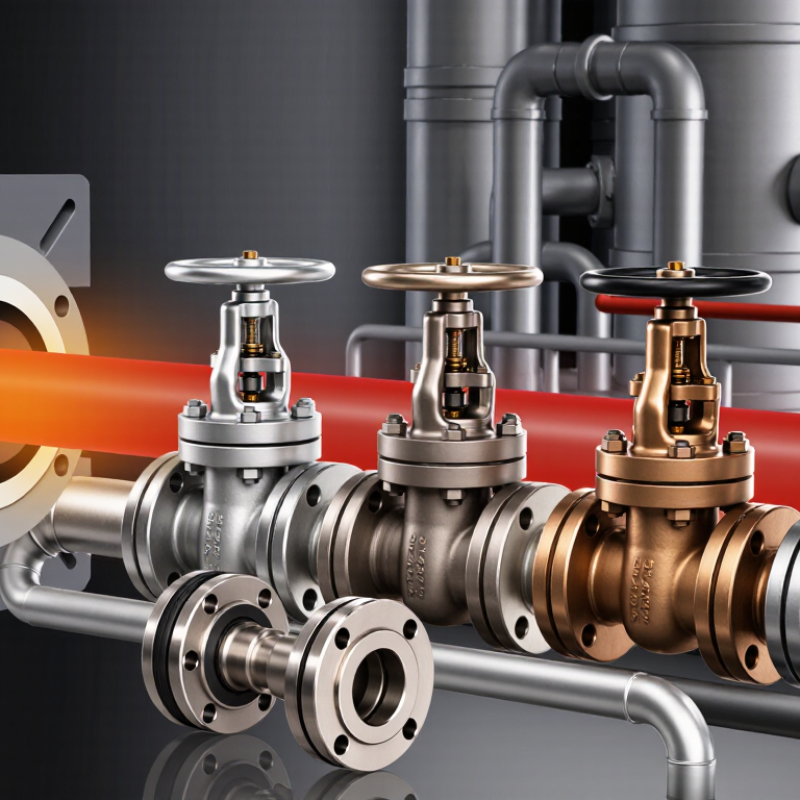
Why Choose a High Temperature Ball Valve?
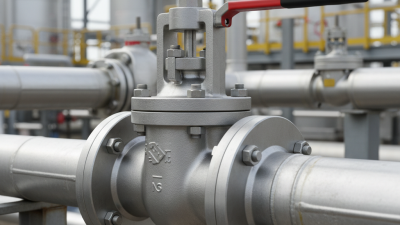
A high temperature ball valve controls fluid flow in demanding thermal environments. It uses a spherical closure element with a central opening. When aligned with the pipeline, the opening allows flow. A quarter-turn rotates the ball and stops the flow quickly. This simple movement supports reliable isolation and easy operation.
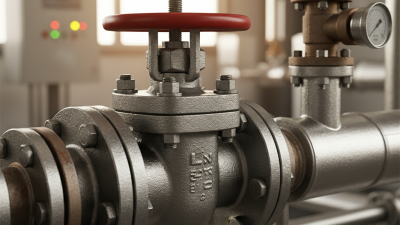
High temperature versions use heat-resistant metals, seats, and stem seals. Common applications include thermal oil systems, steam lines, furnaces, and industrial processing equipment. However, temperature resistance depends on the complete valve assembly. A metal body may tolerate intense heat, while a soft seat may degrade sooner. A high temperature rating is not a magic number. Pressure, fluid type, cycling frequency, and installation conditions also affect service life. In field inspections, damaged seals often reveal poor selection rather than poor workmanship. That distinction matters.
Tips: Check the valve’s temperature and pressure ratings together. Confirm compatibility with the fluid and pipe material. Allow for thermal expansion during installation. Test the valve before commissioning, then inspect the stem area for leakage or stiffness. Small problems become expensive when heat hides them. A technical datasheet and advice from a qualified engineer can prevent an avoidable mismatch.
| Data Dimension | Typical Technical Information | Why It Matters |
|---|---|---|
| Definition | A high temperature ball valve is a quarter-turn valve that uses a drilled spherical ball to start, stop, or isolate the flow of hot liquids, gases, steam, and process fluids. | The compact design provides fast shutoff and a direct flow path when the valve is fully open. |
| Typical temperature capability | Temperature capability depends on the body, ball, stem, seat, seals, pressure rating, and service conditions. Metal-seated designs are commonly selected for temperatures above the practical range of soft seats; some engineered configurations can operate at several hundred degrees Celsius. | The maximum allowable temperature must always be verified from the valve manufacturer’s pressure-temperature rating. |
| Common body materials | Carbon steel, stainless steel, and heat-resistant alloy steels are commonly used. Material selection depends on temperature, corrosion resistance, pressure, and the process medium. | The body must retain mechanical strength and dimensional stability at the operating temperature. |
| Seat options | Metal seats are generally used for high-temperature, abrasive, or fire-risk services. Soft seats made from polymers are often limited by temperature, chemical compatibility, and thermal degradation. | The seat is often the temperature-limiting component and directly affects shutoff performance. |
| Flow characteristics | A full-port ball valve can provide a relatively low-resistance flow path, while a reduced-port design may produce a higher pressure drop. | The correct port size helps control energy loss, velocity, and system capacity. |
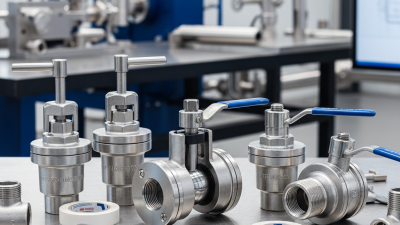
| Operation | Ball valves normally rotate 90 degrees between open and closed positions. Manual levers, gear operators, electric actuators, and pneumatic actuators may be used. | Quarter-turn operation supports rapid isolation and can be integrated with automated control or emergency shutdown systems. |
| Leakage control | A properly selected and maintained valve can provide tight shutoff. High-temperature service may require fire-safe construction, anti-static features, graphite packing, or specialized stem sealing. | Sealing design is essential for personnel safety, emissions control, and process reliability. |
| Typical media | Hot water, thermal oil, steam, air, inert gases, hydrocarbons, molten materials, and other compatible process fluids may be handled depending on the valve design. | Chemical compatibility and phase behavior must be assessed in addition to temperature. |
| Common applications | Refineries, chemical processing, power generation, heat-transfer systems, steam systems, petrochemical plants, industrial furnaces, and high-temperature utility lines. | These applications require dependable isolation under elevated temperature and pressure. |
| Advantages | Fast quarter-turn action, compact installation, low flow resistance when fully open, reliable isolation, and suitability for automation. | These features can reduce operating time and improve system isolation efficiency. |
| Important limitations | Not every ball valve is suitable for high temperature. Thermal expansion, seat wear, stem-seal leakage, blocked-in fluid pressure, and unsuitable actuator materials can affect performance. | Correct engineering selection is necessary to avoid premature failure or unsafe operation. |
| Selection checklist | Confirm medium, normal and maximum temperature, design pressure, pressure class, valve size, port configuration, seat material, body material, leakage requirement, fire-safe requirements, end connection, actuator, and applicable standards. | A complete specification reduces compatibility problems and helps ensure safe, long-term service. |
Note: Actual temperature and pressure limits vary by valve construction and service conditions. Always use the approved pressure-temperature rating and installation instructions for the selected valve.