Leave Your Message

2026 Best Electric Float Valve Types for Global Buyers?

Choosing the right Electric Float Valve in 2026 means matching the valve to the tank, fluid, and operating conditions—not simply comparing prices. A compact plastic valve may suit a clean-water storage tank, while a metal-bodied or electrically actuated design may better fit demanding industrial service. Installation details matter. A float arm can bind against a tank wall; a sensor can fail where deposits accumulate.

The need for dependable water management is clear. The WHO/UNICEF Joint Monitoring Programme reported that 2.2 billion people lacked safely managed drinking-water services in 2022. That figure describes a global access challenge, not demand for electric float valves. Still, it underscores why reliable level control deserves careful attention. Industry reports often group float valves within broader valve markets, so their headline forecasts should not be mistaken for verified sales data for this specific product category.

Buyers also deserve trustworthy technical guidance. I could not verify a named Electric Float Valve specialist’s published quotation on this topic, so attributing a polished sound bite would be misleading. The practical lesson is simpler: check the valve’s material compatibility, voltage, pressure range, switching method, and maintenance access against the actual installation. Even a well-specified valve can disappoint if the wiring or mounting is overlooked. This guide compares the main types, their strengths, and the trade-offs global buyers should examine before choosing.

2026 Best Electric Float Valve Types for Global Buyers?

What Is an Electric Float Valve and How Does It Work?

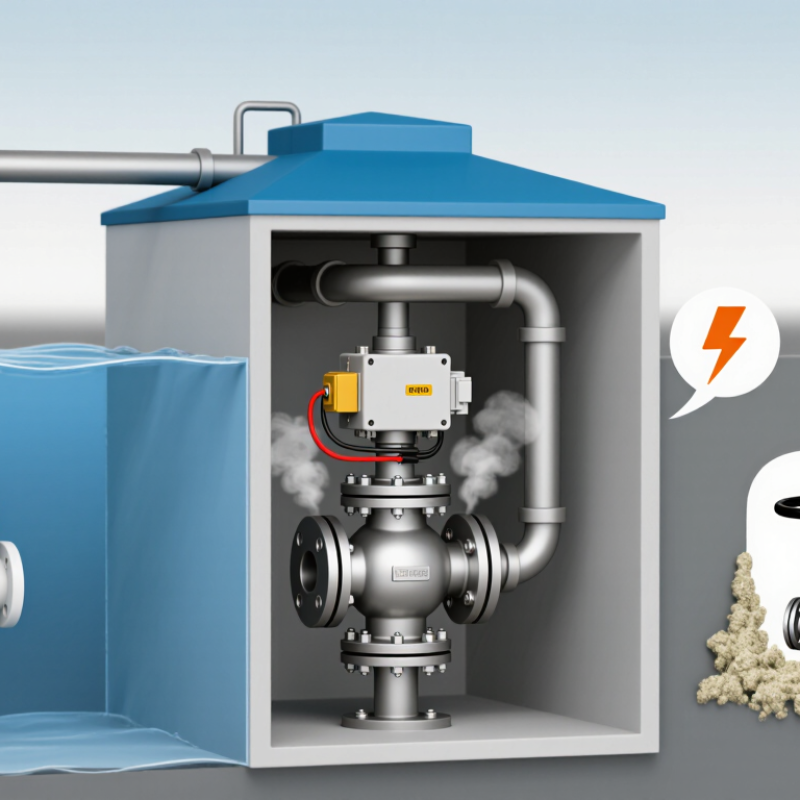
An electric float valve controls water level through a float sensor, controller, and powered valve. When the water level drops, the float sends a signal to open the inlet. Once the tank reaches its set level, the signal changes and the valve closes. The process is automatic. It also reduces overflow risks in storage tanks, irrigation systems, and utility equipment. However, wiring mistakes can cause continuous filling.

Common designs include motorized ball valves, solenoid valves, and electrically actuated diaphragm valves. Motorized ball valves work well with clean water and slower opening cycles. Solenoid valves respond quickly, but they may require filtered water. Diaphragm valves can handle larger flow rates under suitable pressure conditions. Global buyers should check voltage, pipe size, pressure range, wetted materials, enclosure rating, and connection standards. Humid pump rooms need better protection.

A float is not magic. Turbulence can make it switch too often. Poor mounting can also create false readings. A calm section of tank improves accuracy. Some systems use a second float for high-level alarms. Buyers should confirm what happens during power failure. Some valves close immediately, while others stay open. This detail is often overlooked. The practical specification may need revision after checking the real tank, water quality, and maintenance space.

Which Electric Float Valve Types Are Available in 2026?

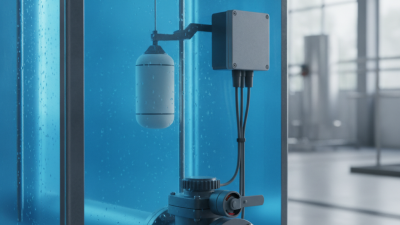
Electric float valve systems in 2026 generally use a float switch to signal a pump or electrically operated valve. Vertical float switches suit compact tanks with top access. As the liquid lifts the float, an internal contact changes state. Side-mounted models fit tanks with limited headroom and a suitable wall opening. Simple to install. Check the seal and mounting orientation.

Cable-suspended floats work in deeper tanks, sumps, and reservoirs, where the float needs room to move. Multi-point assemblies can monitor several levels, such as low-level pump protection and high-level filling control. Magnetic reed designs offer a sealed switching mechanism; conductive probes are another option when the liquid conducts electricity. Each type has limits. Sludge, foam, turbulence, and narrow tanks can cause unreliable readings, so selection should reflect actual site conditions, not just the tank’s listed capacity.

For a practical choice, confirm the switch’s contact arrangement, electrical rating, cable length, and compatibility with the liquid. A stainless-steel float may suit some process environments, while suitable polymer materials can work for other fluids. Neither material is universal. It is easy to overlook maintenance access; allow space to remove the float and inspect its movement. Test the control sequence with the pump or valve before routine operation.

2026 Best Electric Float Valve Types for Global Buyers? - Which Electric Float Valve Types Are Available in 2026?

Electric Float Valve Type How It Detects Water Level Typical Actuation Method Common Power Options Typical Valve Sizes Best-Fit Applications Main Advantages Important Selection Considerations
Direct-Acting Float Switch Valve A mechanical float directly operates an internal electrical switch. Electric solenoid valve controlled by the float switch. Commonly 12 V DC, 24 V DC, 24 V AC, 110 V AC, or 230 V AC; confirm the coil rating before purchase. Approximately DN15–DN50 (1/2–2 in), depending on the design. Domestic water tanks, small reservoirs, livestock watering systems, and compact process tanks. Simple control logic, relatively low installation cost, and easy troubleshooting. Check contact rating, switch hysteresis, float travel, electrical enclosure rating, and compatibility with the control circuit.
Pilot-Operated Hydraulic Float Control Valve with Electric Override A float pilot senses the water level and controls the main hydraulic diaphragm valve. Hydraulic diaphragm actuation with an electric solenoid override or remote command. The pilot solenoid is commonly available in low-voltage DC or standard AC coil versions. Approximately DN50–DN300 (2–12 in) and larger in engineered systems. Municipal storage tanks, irrigation networks, commercial buildings, and high-flow water systems. Handles high flow rates with relatively low electrical energy and can support automatic filling control. Requires sufficient inlet pressure and clean pilot water; verify minimum differential pressure, flow direction, and maintenance access.
Motorized Ball Valve with Remote Float Sensor A separate float switch, ultrasonic sensor, or level controller provides the level signal. Electric rotary actuator opens or closes a ball valve. Frequently 12 V DC, 24 V DC, 24 V AC, 110 V AC, or 230 V AC. Approximately DN15–DN100 (1/2–4 in). Clean-water tanks, HVAC make-up systems, rainwater harvesting, and building automation. Low pressure loss when fully open, good shutoff capability, and compatibility with programmable control systems. Review actuator torque, operating time, duty cycle, manual override, ingress protection, and whether the actuator is normally open or normally closed.
Motorized Butterfly Valve with Float-Level Controller An external float switch or electronic level controller sends the opening and closing signal. Electric quarter-turn actuator operates a butterfly disc. Commonly 24 V AC/DC, 110 V AC, or 230 V AC, depending on the actuator. Approximately DN50–DN600 (2–24 in). Large storage tanks, cooling-water systems, irrigation pipelines, and industrial water distribution. Suitable for larger pipe diameters with comparatively low weight and compact installation space. Not every design provides bubble-tight shutoff; check seat material, pressure class, actuator torque, disc clearance, and water quality.
Submersible Float-Switch-Controlled Solenoid Valve A sealed tethered or vertical float switch changes state as the liquid level rises or falls. Remote solenoid valve installed in the inlet or outlet line. Often 12 V DC or 24 V DC for safer use near wet locations. Approximately DN15–DN50 (1/2–2 in). Sump tanks, drainage systems, water treatment skids, and small utility reservoirs. Can be used where a valve cannot be mounted directly inside the tank; low-voltage versions simplify wet-area installations. Use a properly rated enclosure and cable gland; prevent float entanglement and verify that the valve closes against the available pressure.
Electronic Float-Level Sensor with Solenoid Valve Conductive probes, capacitive sensors, pressure sensors, or electronic level switches detect the liquid level. A controller energizes a solenoid valve according to programmed level limits. Sensor and controller circuits commonly use 12 V DC or 24 V DC; valve coils may use AC or DC. Valve sizes commonly range from DN15–DN100 (1/2–4 in). Industrial process tanks, water treatment, chemical dosing support systems, and automated equipment. Adjustable high and low set points, reduced mechanical wear, alarm outputs, and integration with PLC or building management systems. Sensor selection must match liquid conductivity, temperature, viscosity, foaming behavior, and tank material; electrical noise protection may be required.
Ultrasonic Level-Controlled Electric Valve A non-contact ultrasonic transmitter measures the distance between the sensor and liquid surface. An electronic controller operates a solenoid, motorized ball valve, or motorized butterfly valve. Typically 12–24 V DC for the sensor and controller; the valve actuator may require AC or DC power. Valve size depends on flow demand; approximately DN15–DN300 is common in packaged systems. Open tanks, wastewater systems, rainwater storage, chemical-free utility water, and applications requiring non-contact measurement. No immersed moving parts, adjustable control ranges, and useful remote monitoring capability. Foam, vapor, turbulence, condensation, obstructions, and narrow tanks can affect measurement reliability; confirm the sensor’s range and dead zone.
Solar-Powered Electric Float Valve System A float switch or electronic level sensor provides the tank-level signal. Low-power motorized valve or solenoid valve controlled by a solar-charged system. Usually 12 V DC or 24 V DC with a battery and charge controller; solar panel sizing depends on duty cycle and climate. Approximately DN15–DN100 (1/2–4 in). Remote agricultural tanks, livestock water storage, off-grid sites, and remote utility installations. Operates without a permanent grid connection and can reduce trenching and wiring costs. Size the battery for cloudy periods, check cold-weather performance, protect electronics from moisture, and confirm standby power consumption.
Fail-Safe Electric Float Valve Assembly A float switch or electronic sensor detects normal and abnormal level conditions. Actuator is configured to close or open on power loss, depending on the safety objective. Available with low-voltage DC or standard AC control power; backup power may be included. Commonly DN15–DN150 (1/2–6 in), with larger engineered options. Flood prevention, critical process tanks, fire-water support systems, and unattended installations. Provides a defined response to power failure or sensor fault when correctly engineered. “Fail open” and “fail closed” are not interchangeable; verify spring return, battery backup, alarm behavior, emergency overflow provisions, and local safety requirements.

Buyer’s note: The specifications above are typical market ranges rather than guaranteed values for every product. Before ordering, confirm required flow rate, operating pressure, liquid temperature, valve material, connection standard, IP/NEMA enclosure rating, electrical frequency, control voltage, fail position, and applicable local installation requirements.

How Do the Main Valve Types Differ in Performance and Use?

Mechanical float valves remain the simplest choice for tanks with steady inlet pressure. A hollow float rises with the water and closes the inlet through a lever or diaphragm. The mechanism is easy to inspect, but mineral scale can stiffen the pivot and cause slow seepage. Small detail, real consequence.

Pilot-operated valves suit larger tanks and higher flow rates. A small float controls a pilot passage, while line pressure helps move the main diaphragm. This reduces the force needed at the float, but performance depends on clean water and adequate inlet pressure. Electric float-switch systems separate level sensing from the valve: a cable-mounted or stem-mounted switch can trigger a solenoid valve or pump. They allow flexible alarm and control settings, yet add wiring, power, and failure points. The U.S. Department of Energy’s Improving Pumping System Performance source notes that pumping systems can represent a substantial share of facility energy use; valve selection matters when it affects pump cycling or throttling, though the valve alone does not determine energy savings. For buyers comparing types, match flow, pressure, water quality, and maintenance access to the actual tank. A datasheet cannot reveal every installation problem.

How Can Global Buyers Choose the Right Electric Float Valve?

How Can Global Buyers Choose the Right Electric Float Valve?

Start with the tank, not the catalogue. Record its fluid, temperature, pressure, connection size, and maximum fill rate. Then check whether the valve is normally open or normally closed, and whether its electrical supply matches the site. A mismatch can leave a tank filling when nobody is watching. For outdoor or washdown locations, verify the enclosure rating and cable entry, not just the actuator’s headline specification. Ask for tested flow and pressure data. Small details matter.

Water reliability makes level control more than a convenience. The WHO/UNICEF Joint Monitoring Programme reported that 2.2 billion people lacked safely managed drinking water in 2022. That figure does not prove a particular valve will prevent shortages, but it underlines why dependable storage control matters. For potable-water service, request material and hygiene documentation suitable for the intended application. For remote sites, consider manual override, replacement-part availability, and what happens during a power cut. A useful selection test is simple: simulate a stuck float, a blocked inlet, and a failed power supply. Not every supplier provides clear test evidence. That deserves a second look.

What Standards and Supply Factors Should Buyers Check?

Global buyers should compare electric float valves by application, not appearance. A compact valve may fit a tank but fail under continuous cycling. Check the liquid type, temperature, pressure, pipe size, and required flow rate. Fit matters more. Confirm whether the valve uses normally open or normally closed control. The actuator must match the local voltage, frequency, and control signal. Confirm these details before ordering samples.

Standards should match the installation market. Ask for electrical safety evidence and an IP rating tested under IEC 60529, where applicable. For industrial service, request pressure and leakage test records aligned with relevant valve standards, such as ISO 5208. Potable-water projects need material compliance for wetted parts. Requirements may include NSF/ANSI/CAN 61 or an equivalent local rule. Do not accept a certificate without checking its scope, model, and validity. A document can look official and still cover another product.

Supply reliability depends on more than the quoted unit price. Request drawings, wiring diagrams, inspection procedures, batch traceability, and spare-part availability. Confirm minimum order quantity, sample lead time, production capacity, packaging, and export documents. Ask how the supplier handles failed sensors or damaged actuators. Small details matter. A buyer should also calculate total landed cost, including freight, duties, testing, and replacement stock. I have seen purchasing plans fail because the connector was unavailable locally. That risk is easy to miss. Keep a written approval sample, but review it again when materials or factories change.