Best Metal Seated Ball Valves for Global Procurement Needs?
In today's industrial landscape, the demand for reliable and efficient valve solutions is paramount. Metal Seated Ball Valves stand out as a top choice. Their durable construction ensures longevity and resilience in harsh environments. Industries like oil and gas, water treatment, and chemical processing heavily rely on these valves.
Metal Seated Ball Valves offer significant advantages. Their resistance to abrasive materials makes them ideal for tough applications. They can handle high pressures and temperatures, which enhances their versatility. However, choosing the right valve can be challenging given the variety of options available. It is crucial to understand specifications and application requirements.
Despite their many benefits, users must also consider potential downsides. Installation can be complex, requiring skilled professionals. Regular maintenance is essential for optimum performance. Additionally, the initial costs may be higher than other valve types. Thus, it is vital to weigh these factors carefully when selecting Metal Seated Ball Valves for global procurement needs.
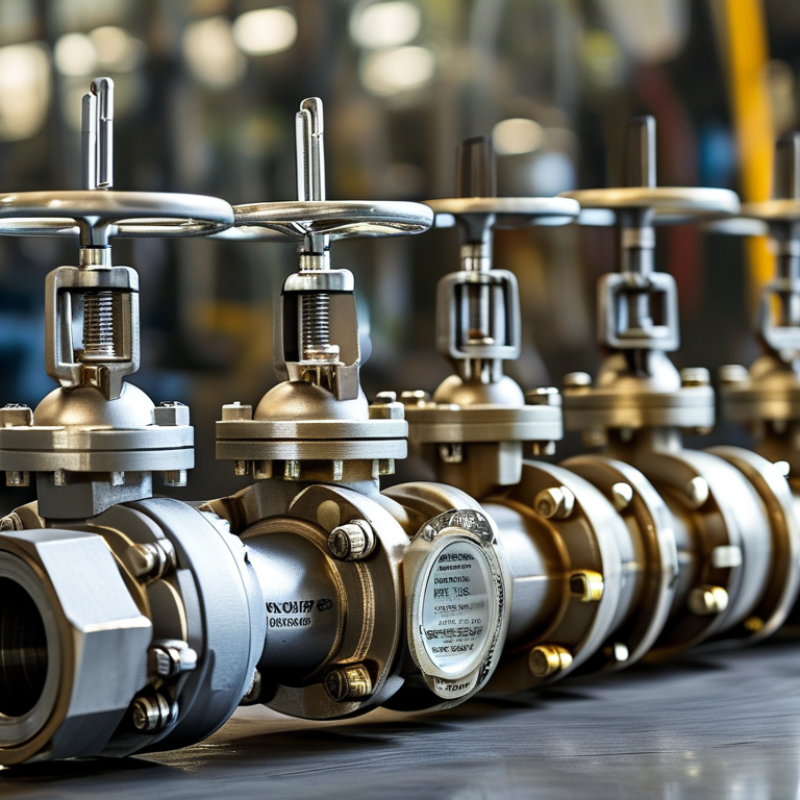
Overview of Metal Seated Ball Valves and Their Applications
Metal seated ball valves are crucial in various industrial applications. They are designed to handle high-temperature and high-pressure environments. These valves use metal seats instead of rubber or plastic, which enhances durability. In harsh conditions, metal seated ball valves exhibit superior performance. They offer reduced wear and can withstand extreme conditions better than conventional valves.
Industries such as oil and gas, chemical processing, and power generation rely on metal seated ball valves. Their ability to maintain a tight seal is significant for safety and efficiency. However, selecting the right valve involves understanding specific application requirements. Factors like pressure ratings, temperature limits, and fluid types must be considered.
There are challenges in ensuring consistent manufacturing quality in these valves. Variations in materials can affect performance. Proper testing standards should be in place to guarantee reliability. Exploring innovative designs can help improve their effectiveness. Users need to be aware of their maintenance requirements to prevent failures. Regular inspections can mitigate issues and enhance longevity.
Key Features and Benefits of Metal Seated Ball Valves
Metal seated ball valves offer distinct advantages for various industrial applications. Their robust design makes them suitable for high-pressure and high-temperature environments. This durability is crucial in industries such as oil and gas, chemicals, and power generation. These valves often outperform traditional soft-seated variants in severe service conditions, ensuring long-term reliability.
Another key benefit is their resistance to abrasion and wear. Metal seated designs can handle solid particles in the flow, reducing the risk of valve failure. This feature can significantly decrease maintenance costs and downtime, which is essential for continuous operations. However, they may require precise alignment during installation. Improper handling can lead to performance issues over time.
When considering procurement, it’s important to evaluate specific application requirements. They may not be ideal for all scenarios. The initial cost can be higher than traditional valves, but the long-term benefits often outweigh these concerns. Understanding the unique operational environment is essential for optimal performance and efficiency.
Best Metal Seated Ball Valves for Global Procurement Needs
Top Manufacturers and Suppliers of Metal Seated Ball Valves
When sourcing metal seated ball valves, the choice of manufacturers and suppliers is crucial. Key players in this field need to demonstrate proven expertise and a commitment to quality. Many manufacturers offer a range of options, catering to various industries such as oil, gas, and water management. These valves are favored for their durability and ability to withstand harsh conditions.
Supplier reliability is equally important. Companies should evaluate potential partners based on their production standards and customer feedback. Engaging with experienced suppliers can provide insights into the latest trends and technologies in valve design. However, not all suppliers may meet your specific needs. A thorough assessment process can help identify the best fit.
Selecting the right metal seated ball valve can be daunting. Sometimes, even established companies may struggle with consistent performance. It's vital to consider not just cost, but also long-term value. Poor choices can lead to operational disruptions and financial losses. Carefully reviewing technical specifications allows for better decision-making. The goal is to balance quality, efficiency, and cost-effectiveness in procurement.
Best Metal Seated Ball Valves for Global Procurement Needs
| Valve Size (inch) |
Material Type |
Pressure Rating (PSI) |
Temperature Range (°F) |
Connection Type |
| 1.5 |
Carbon Steel |
600 |
-20 to 400 |
Flanged |
| 2.0 |
Stainless Steel |
800 |
-50 to 350 |
Welded |
| 3.0 |
Alloy Steel |
1500 |
-40 to 450 |
Screwed |
| 4.0 |
Bronze |
300 |
0 to 200 |
Flanged |
| 6.0 |
PVC |
150 |
-10 to 70 |
Socket Weld |
Global Procurement Strategies for Metal Seated Ball Valves
In today's competitive landscape, effective procurement strategies for metal seated ball valves are crucial. These valves are known for their durability and performance in demanding environments. According to a recent market report by XYZ Research, the global metal seated ball valve market is projected to grow by 5.2% annually through 2026. This growth indicates an increasing reliance on high-performance valves across various industries.
When evaluating procurement options, understanding the material specifications and operational limits of metal seated ball valves is essential. These valves often excel in high-pressure and high-temperature applications, making them ideal for oil and gas sectors. However, not all valves meet the same standards, leading to costly errors if the wrong choice is made. Ensure your suppliers provide detailed product data to avoid pitfalls in performance.
Tip: Always conduct a supplier assessment before procurement. This can include checking their certification and past customer feedback. Global suppliers may offer diverse options, but consistency in quality is vital. Engaging with multiple suppliers could lead to better price negotiations and supply chain resilience. Balancing cost with quality should always be a priority in procurement strategies.
Future Trends in Metal Seated Ball Valve Technology
The future of metal seated ball valve technology is evolving rapidly. Innovation in materials and design is at the forefront. Upcoming developments focus on durability and resistance to extreme conditions. Companies are increasingly using advanced alloys that enhance performance. These materials reduce wear and extend service life.
Automation in valve operations is another emerging trend. Smart valves equipped with sensors can monitor performance in real-time. This capability allows for predictive maintenance, reducing downtime. However, integrating these technologies poses challenges. The learning curve for operators can be steep, and many companies must adapt.
Sustainability is increasingly vital in valve design. Manufacturers are exploring eco-friendly materials. However, balancing performance with sustainability remains complex. The industry still grapples with the recycling of materials. Efforts to streamline this process are necessary to meet future demands. Addressing these issues will be crucial as the market evolves.