2026 How to Choose the Right Split Body Ball Valve?
Choosing the right Split Body Ball Valve is crucial for any industrial application. According to a recent report by MarketsandMarkets, the global market for ball valves is projected to reach $3.5 billion by 2026, emphasizing their importance in fluid management systems. The split body design offers ease of maintenance, which is a significant advantage. Industry expert Dr. Emily Roberts states, “Selecting the correct Split Body Ball Valve can enhance operational efficiency and reduce downtime.”
In the quest for the ideal valve, users must consider various factors, including material compatibility, pressure rating, and flow characteristics. A mismatch can lead to issues like leaks or reduced performance. For example, in the oil and gas sector, even the slightest error can have serious safety implications. Data from the Valve Manufacturers Association shows that improperly chosen valves account for nearly 15% of operational failures.
Detailed research is essential when selecting a Split Body Ball Valve. Real-world performance depends on specifications that meet the required standards. Some valves may not perform as expected in high-stress environments, leading to unforeseen costs and operational interruptions. Thus, diligent analysis and expert consultation are key to making the right choice.
Understanding Split Body Ball Valves: A Comprehensive Overview
Understanding Split Body Ball Valves: A Comprehensive Overview
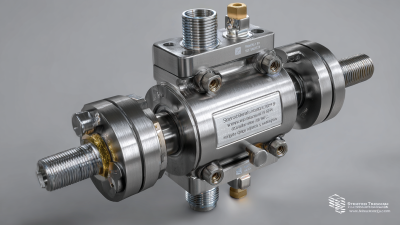
Split body ball valves are crucial in various industries. They offer reliable performance and ease of maintenance. These valves are designed in two separate parts, simplifying repair tasks. Maintenance personnel appreciate this feature during routine inspections. Split body designs are beneficial in tight spaces.
When choosing a split body ball valve, consider the material. Stainless steel and brass are common options. The right choice depends on the application's fluid type. Furthermore, ensure the valve pressure rating meets system requirements. Ignoring these factors could lead to operational failures.
Tips: Always assess the installation environment. Factors like temperature and corrosion resistance are vital. Evaluate the valve size carefully; a mismatch can cause performance issues. Investing time in research pays off in long-term reliability.
Remember that not all valves perform equally under different conditions. Testing the valve in real-life scenarios can highlight potential flaws. Familiarize yourself with the specifications provided by manufacturers. This knowledge can guide proper installation and maintenance practices.
2026 How to Choose the Right Split Body Ball Valve? - Understanding Split Body Ball Valves: A Comprehensive Overview
| Dimension |
Material |
Pressure Rating (PSI) |
Temperature Range (°F) |
Connection Type |
| 1" (25mm) |
Stainless Steel |
150 |
-20 to 250 |
Threaded |
| 2" (50mm) |
Brass |
200 |
-10 to 300 |
Flanged |
| 3" (80mm) |
Carbon Steel |
300 |
0 to 400 |
Welded |
| 4" (100mm) |
PVC |
100 |
-40 to 140 |
Solvent Weld |
Key Factors to Consider When Choosing a Split Body Ball Valve
When selecting a split body ball valve, several key factors warrant careful consideration. The material of the valve is crucial. It impacts durability and resistance to corrosion or extreme temperatures. Common materials include stainless steel and brass. Each material has unique properties that may suit specific applications. Always assess the environmental conditions of the installation site before making a decision.
Another important aspect is the valve's size and connection types. Ensure compatibility with existing piping systems for a seamless fit. Mismatches can lead to leaks or failures. Check the pressure rating as well. A valve must withstand the system pressures without compromising safety.
Finally, consider the maintenance requirements. Some valves are easier to service than others. Regular maintenance can extend the lifecycle of the valve. However, some designs may complicate access for repairs. It’s critical to balance your needs for reliability and ease of maintenance. Don’t overlook these factors as they can significantly affect performance and sustainability.
Material Selection: Finding the Right Construction for Your Application
Material selection is a critical aspect when choosing the right split body ball valve for your needs. Proper materials can enhance durability and performance in various applications. For instance, the corrosion resistance of stainless steel makes it ideal for harsh environments. According to a report by the American Society of Mechanical Engineers, approximately 40% of valve failures are due to material degradation over time. This underscores the importance of selecting suitable construction materials.
Understanding the operating conditions and fluids being handled is essential. For example, plastic valve options are often lighter and resistant to certain chemicals. However, they may lack the strength for high-pressure systems. A study from the Valve Manufacturers Association highlights that 30% of facility failures involve improper valve selection, often linked to material mismatches. This statistic prompts reflection on the need for careful assessment during selection.
It's clear that experience and knowledge in material properties lead to better decisions. However, many still overlook the subtle differences in material grades. Inadequate research may lead to switching costs and increased maintenance times. Emphasizing the right material can prevent such pitfalls, saving time and resources. Always consider the specific application demands before making your choice.
Sizing and Pressure Ratings: Ensuring Compatibility with Your System
Choosing the right split body ball valve involves careful consideration of sizing and pressure ratings. These factors are crucial for ensuring compatibility with your piping system. According to the latest industry reports, valves must match the system's flow requirements. For instance, a miscalculated diameter can lead to inadequate performance or excessive pressure drops.
Pressure ratings also play a significant role. They should align with the maximum operating pressure of your system. A study by the American Society of Mechanical Engineers highlights that 30% of valve failures arise from mismatch in pressure ratings. It is essential to verify that your valve can sustain these pressures under operational conditions. In some cases, overestimating the pressure needs can lead to unnecessary expenditures.
Taking the time to assess these specifications can prevent future complications. Many users overlook details like temperature compatibility, which can influence the valve's longevity. Research indicates that about 20% of valves fail prematurely due to thermal stress. Balancing these factors ensures you make an informed choice, enhancing reliability and efficiency in your systems.
Maintenance and Longevity: Evaluating Performance Over Time
When evaluating the longevity and performance of split body ball valves, maintenance plays a crucial role. According to a recent industry report by the Valve Manufacturers Association, proper maintenance can extend the lifespan of these valves by up to 30%. Regular inspection for corrosion, wear, and debris accumulation is essential for sustaining optimal performance. Manufacturers recommend a routine check-up every six months for industrial settings.
**Tip:** Implementing a documented maintenance schedule can help identify issues early. Use visual checks to spot signs of wear.
Materials significantly impact durability. Split body ball valves made from corrosion-resistant alloys tend to perform better under harsh conditions. However, many users overlook fluid compatibility and environmental factors in their selection process. This oversight can lead to premature failures and costly repairs. An alarming 18% of valve failures occur due to incorrect material choices, as noted in several field studies.
**Tip:** Always refer to technical data sheets when selecting valves. Consider environmental impacts, such as temperature and pressure fluctuations.