2026 How to Choose the Right Screwed Ball Valve for Your Needs?
Choosing the right Screwed Ball Valve can significantly impact your project's success. These valves are essential in many industries, providing reliable control of fluid flow. However, selecting the appropriate valve is not a simple task. Various factors come into play, including material, size, and pressure ratings.
When considering a Screwed Ball Valve, you need to assess your specific requirements. Different applications may demand unique features. For example, a valve used in a corrosive environment should be made of resistant materials. Understanding these details can ensure durability and performance.
It’s crucial to balance cost with quality. While cheaper options may seem attractive, they might not offer the reliability you need. Reflecting on your long-term goals can help guide your decision. Investing in a quality Screwed Ball Valve now can save future headaches.
Understanding Screwed Ball Valves: Key Features and Types
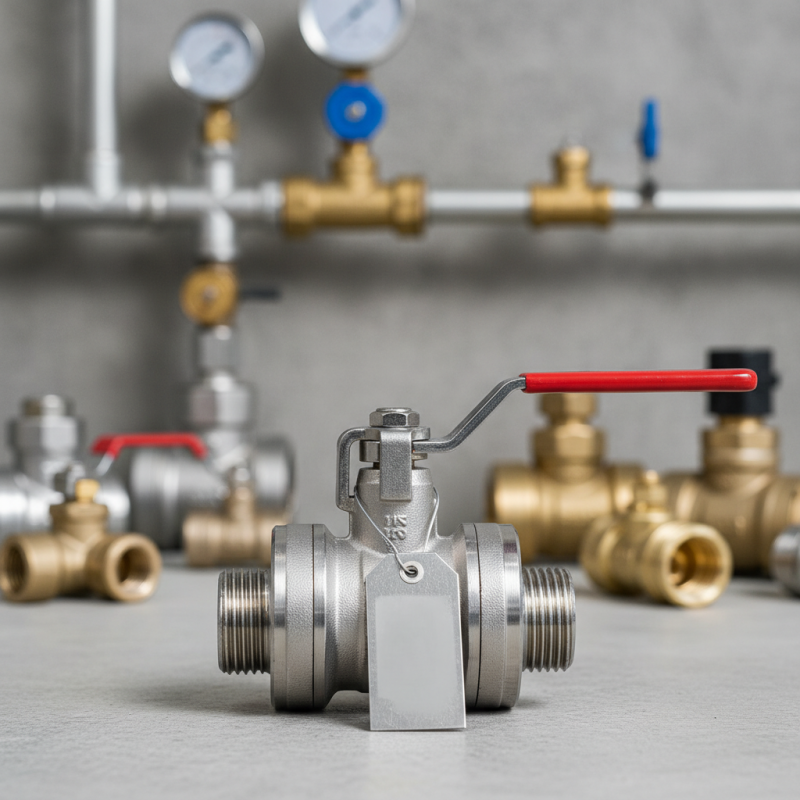
Screwed ball valves are crucial in various industries. Understanding their key features helps in making informed choices. These valves are designed with a spherical disc that controls flow. They provide excellent sealing when fully closed, preventing leaks effectively.
There are different types of screwed ball valves. One common type is the full-port valve, which allows unrestricted flow. Then, there’s the reduced-port valve that features a smaller opening, offering better control but reducing flow capacity. The choice between them depends on your specific needs and applications.
Another important feature is the material used in construction. Common materials include stainless steel, brass, and plastic. Each material has its properties, impacting durability and corrosion resistance. It’s vital to consider the medium's nature flowing through the valve. Reflect on the environmental conditions too. For instance, extreme temperatures or corrosive substances can affect performance over time.
Assessing the Application: Where Will the Valve Be Used?
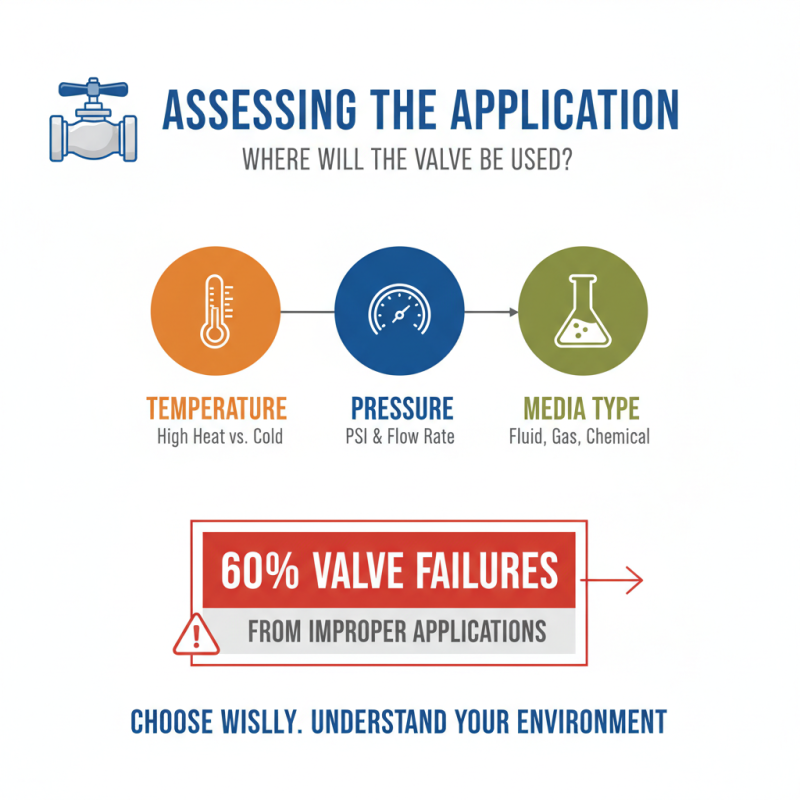
When choosing a screwed ball valve, application is key. Understanding your environment is crucial. Temperature, pressure, and the type of media are all important considerations. For example, high-temperature fluids can demand different materials compared to those for cold water systems. Industry reports indicate that 60% of valve failures stem from improper applications.
In aggressive environments, such as chemical processing, resistance to corrosion becomes vital. Choosing the wrong valve can result in leaks and safety hazards. Data shows that about 30% of system failures occur due to unsuitable valve types in these scenarios. Evaluating the area, such as the need for ATEX certification in explosive atmospheres, cannot be overlooked. Each setting has specific requirements.
Geographically, applications vary widely. Regions with extreme weather can influence valve performance. A valve suitable for a temperate area may fail in a cold climate. Hence, professionals often recommend extensive site assessments. Understanding the local conditions is crucial for ensuring reliability. Practical experience reinforces the notion that detailed analysis leads to better choices. The stakes are high; a single mistake can lead to significant operational downtime.
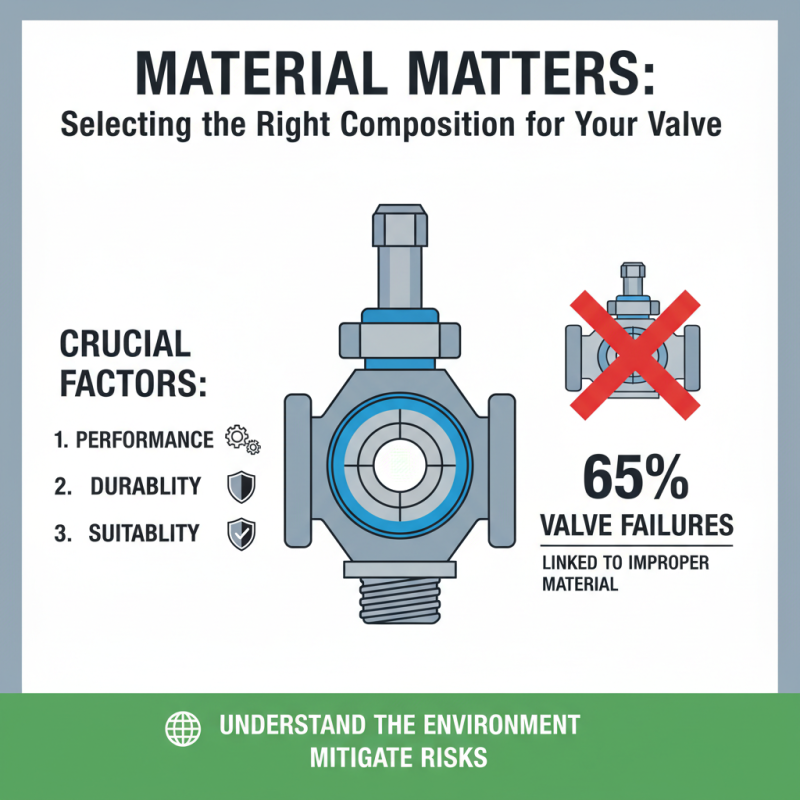
Material Matters: Selecting the Right Composition for Your Valve
When selecting a screwed ball valve, material composition is crucial. The valve's material directly influences its performance, durability, and suitability for specific applications. Statistical reports indicate that over 65% of valve failures are linked to improper material selection. Understanding the environment in which the valve operates can help mitigate these risks.
Valves may be constructed from various materials such as stainless steel, brass, or plastic. Stainless steel offers great resistance to corrosion, making it suitable for harsh environments. Brass, while durable, may not withstand acidic conditions. In terms of market data, the demand for corrosion-resistant materials has increased by 25% over the last five years. This indicates a growing awareness of material properties' significance in production and maintenance costs.
However, selecting the right material is not always straightforward. Users must consider temperature and pressure ratings. Some materials may perform well in low-temperature applications but falter under high pressures. Misjudgments in this area can lead to significant operational costs and even safety risks. Continuous education on material properties is necessary to make informed choices.
Determining Size and Pressure Ratings: Ensuring Compatibility
Choosing the right screwed ball valve requires careful consideration of size and pressure ratings. These factors ensure the valve can handle your specific application. A valve that is too small may restrict flow, while one that is oversized can lead to inefficiencies. Measure your existing pipes accurately. Always account for the diameter and the type of fluid. This information is crucial to finding a compatible size.
Pressure ratings are equally important. Valves have a maximum pressure they can withstand. Exceeding this limit can cause leaks or failures. It’s essential to assess the system's pressure to avoid mishaps. Many users overlook this detail, which can result in costly downtime. Not every valve is made for high-pressure situations. Therefore, understanding your needs and system capabilities is vital.
Choosing the correct size and pressure ratings is an ongoing process. Sometimes, trial and error might be needed to find the best fit. Observing performance over time helps refine your choice. Consider regular evaluations to ensure longevity and reliability. Understanding these aspects helps in making informed decisions.
2026 How to Choose the Right Screwed Ball Valve for Your Needs? - Determining Size and Pressure Ratings: Ensuring Compatibility
| Valve Size (Inches) |
Pressure Rating (PSI) |
Material |
Temperature Range (°F) |
Recommended Use |
| 1/2 |
150 |
Brass |
-20 to 200 |
Water, Oil |
| 3/4 |
300 |
Stainless Steel |
-40 to 300 |
Chemical, Gas |
| 1 |
1000 |
Carbon Steel |
-20 to 400 |
Steam, High Pressure |
| 1.5 |
600 |
PVC |
32 to 140 |
Wastewater, Irrigation |
| 2 |
250 |
Bronze |
-20 to 300 |
Marine Applications |
Maintenance and Longevity: Factors to Consider for Durability
When selecting a screwed ball valve, maintenance is crucial. Keeping the valve in good shape extends its life. Regular inspections can reveal wear or corrosion early. Replace seals and gaskets when needed, as these are common failure points. Small leaks can lead to bigger issues if not caught on time.
Durability also depends on material choice. Different environments require different materials. For instance, harsh chemicals can damage inferior metals. Consider how the valve interacts with its surroundings. The right materials ensure optimal performance and longevity. You might need to rethink your choices if you notice issues arising.
Understanding operating conditions is vital. High pressures and temperatures can accelerate wear. Adjust your maintenance schedule based on these factors. Be proactive about maintenance. Avoiding short-term fixes will help you avoid long-term headaches. Observing these aspects could greatly enhance durability and reliability.