Top 10 Ball Valves in China for Global Buyers?
The ball valves industry is a significant sector in China, catering to the global market. According to a recent report by Market Research Future, the global ball valve market is projected to grow at a compound annual growth rate (CAGR) of 6.2% from 2022 to 2030. This growth indicates high demand for reliable ball valves in various applications, including oil and gas and water supply.
As stated by industry expert Dr. Zhang Wei, "The choice of ball valves can significantly impact operational efficiency." His insight emphasizes the importance of selecting quality products. Various manufacturers in China provide a range of ball valves that meet international standards, ensuring performance and durability.
However, not all products live up to expectations. Some buyers encounter issues with subpar quality and performance inconsistency. This unpredictability makes choosing the right ball valve crucial for long-term success. Evaluating the best options in the market helps global buyers make informed decisions and mitigate potential risks.
Top 10 Ball Valve Manufacturers in China: An Overview
In the realm of industrial applications, ball valves are crucial. They ensure efficient flow control in various systems. According to the latest market analysis, the global ball valve market is expected to reach USD 20 billion by 2025, driven largely by rising industrialization in China. This trend impacts global buyers significantly, as they look for reliable manufacturers.
China boasts numerous reputable ball valve producers. Many of them are recognized for their quality and innovation. A notable report highlighted that around 30% of the world's ball valve production comes from China. This is reflective of the country's robust manufacturing capabilities and focus on technological advancement. However, quality can vary widely among manufacturers, prompting buyers to conduct thorough research.
Despite the presence of many established firms, issues remain. Not all manufacturers adhere to stringent quality control standards. Some products do not meet international certifications, weakening trust in their performance. End-users often report inconsistent quality, impacting operational efficiency. Therefore, global buyers must engage in careful supplier selection to navigate these challenges effectively.
Market Trends in China's Ball Valve Industry: Growth and Predictions
The ball valve industry in China is experiencing significant growth. Recent reports estimate the market size could reach USD 10 billion by 2025. This growth is driven by rising demand in sectors like oil and gas, water treatment, and manufacturing. Economic development and urbanization in China also play a crucial role. Companies are investing in advanced technologies to enhance product quality.
However, challenges exist. Many manufacturers face stiff competition and fluctuating raw material prices. A study highlighted that nearly 40% of firms struggle with supply chain disruptions. Additionally, while the market is expanding, sustainability is a pressing concern. The industry is under pressure to adopt greener practices to reduce environmental impact.
In terms of market trends, innovation is vital. The shift towards automation and smart valves is noticeable. These advancements promise better efficiency and control. Yet, there is a need for continuous improvement in quality assurance practices. Reports indicate that 25% of products fail to meet international standards. The industry must reflect on these shortcomings to maintain its global competitiveness.
Key Features to Consider When Choosing Ball Valves for Global Markets
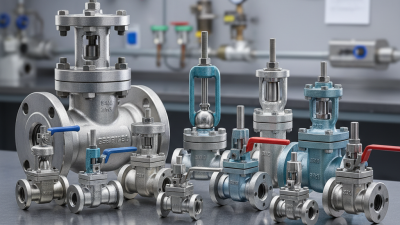
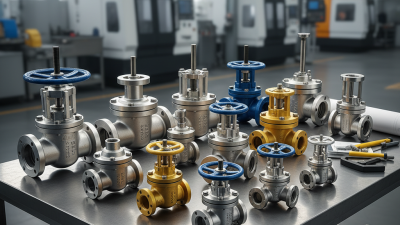
When selecting ball valves for global markets, several key features deserve attention. Material choice is critical. Stainless steel and brass offer durability under diverse conditions. The valve's construction must withstand varying pressures and temperatures. Quality seals ensure leak prevention and longevity. This is essential for maintaining system integrity.
Another important factor is the valve size and connection type. Understanding the specifications helps in achieving optimal performance. Consider the intended application. Some industries may require specialized valves for unique conditions. Additionally, look for certifications that indicate compliance with international standards. These can enhance the valve's reliability in global operations.
Finally, evaluating the manufacturer's reputation is vital. Experience and expertise in ball valve production can impact quality. Researching customer feedback can reveal potential pitfalls and areas for improvement. While many options exist, thorough assessment is necessary for making informed decisions. It is worth noting that not all products will meet expectations. Continuous improvement is key in this competitive landscape.
Top 10 Ball Valves in China for Global Buyers
| Valve Type |
Material |
Size Range (mm) |
Pressure Rating (PN) |
Temperature Range (°C) |
End Connection Type |
| Floating Ball Valve |
Stainless Steel |
15-100 |
PN10 |
-20 to 150 |
Flanged |
| Trunnion Ball Valve |
Carbon Steel |
50-300 |
PN20 |
-29 to 120 |
Welded |
| Electric Ball Valve |
PVC |
20-80 |
PN16 |
0 to 60 |
Socket |
| Manual Ball Valve |
Brass |
15-50 |
PN25 |
-10 to 90 |
Threaded |
| High Pressure Ball Valve |
Alloy Steel |
25-150 |
PN40 |
-40 to 200 |
Flanged |
| Cryogenic Ball Valve |
Stainless Steel |
10-100 |
PN16 |
-196 to 50 |
Flanged |
| Sanitary Ball Valve |
316 Stainless Steel |
25-100 |
PN20 |
-10 to 130 |
Clamp |
| Pneumatic Ball Valve |
Aluminium |
50-200 |
PN16 |
-20 to 120 |
Flanged |
| Check Ball Valve |
Cast Iron |
15-80 |
PN10 |
0 to 70 |
Flanged |
Quality Standards and Certifications for Ball Valves in China
In China, ball valves must meet stringent quality standards and certifications. ISO 9001 is a common certification, ensuring effective quality management systems. According to the China National Standard, ball valves are categorized by their pressure ratings and materials. Standardized testing processes verify these criteria.
Manufacturers are increasingly adopting API and ASME certifications. These certifications signify adherence to international quality benchmarks. Reports indicate that over 75% of Chinese manufacturers now pursue these certifications. This move enhances global trade opportunities and assures buyers of product reliability and safety.
Despite progress, challenges remain. Some manufacturers still lack compliance with all regulations, leading to quality inconsistencies. Moreover, a lack of transparency in the production process can leave some buyers uncertain. Continued efforts are necessary to bridge these gaps in quality assurance and build confidence in China's ball valve industry.
Impact of Technology on Ball Valve Production and Innovation in China
The landscape of ball valve production in China has transformed significantly thanks to technological advancements. The integration of automation and advanced manufacturing techniques has improved efficiency and quality. In 2022, reports indicated that automated processes reduced production time by nearly 30%. This shift allows manufacturers to meet global demands effectively.
Digital simulation tools are also playing a crucial role. They provide accurate predictions of valve performance under various conditions. These innovations are not just improving products but also driving investment in R&D. A survey showed that about 40% of companies are increasing their budgets for technological upgrades. Despite these advancements, challenges remain in ensuring consistent quality across all products.
The demand for sustainability is shaping production processes. Companies are exploring eco-friendly materials and energy-efficient methods. Reports from industry analysts suggest that 25% of manufacturers are adopting green technologies. Balancing innovation with sustainable practices poses a significant challenge. Ongoing reflection on these methods is essential for long-term success in the competitive global market.
Top 10 Ball Valves in China for Global Buyers
This chart displays the evaluation criteria ratings for the top ball valves in China, focusing on various important factors that global buyers consider when selecting products. Ratings are based on a scale of 1 to 10, where higher scores indicate stronger performances in each category.