Leave Your Message

China Top Double Block Bleed Valve Suppliers?

Choosing China’s top Double Block Bleed Valve suppliers requires more than comparing prices or catalog photographs. These valves support isolation, maintenance, and pressure control in demanding process systems. They commonly serve oil and gas, petrochemical, power, and industrial applications. A reliable supplier should explain its design choices clearly. Material selection matters, especially for corrosive fluids, high temperatures, and changing pressure conditions. Small details matter.

This guide examines manufacturers through practical and technical evidence. Key points include body materials, sealing systems, pressure ratings, connection standards, and factory testing procedures. Strong suppliers can provide dimensional drawings, pressure test reports, material certificates, and traceability records. Their engineers should also discuss installation space and operating limitations. Certifications may support credibility, but certificates alone do not prove consistent performance. That point is easy to overlook.

Supplier evaluation should include production experience and after-sales support. Ask how the company handles nonconforming parts, replacement seals, and technical questions after delivery. A transparent factory will describe its inspection stages without vague promises. Site audits, sample testing, and reference checks can reveal differences between suppliers. Still, no single ranking fits every project. Your fluid, pressure class, standards, and delivery schedule may change the best choice.

This article presents a careful comparison of leading Chinese manufacturers and exporters. It considers engineering capability, manufacturing control, customization, documentation, and customer reliability. Some information may require direct verification, especially when websites contain incomplete or outdated claims. That is the imperfect part. A thoughtful buyer should confirm every critical specification before approval. Reliable sourcing depends on evidence, not confident wording.
China Top Double Block Bleed Valve Suppliers?

What Is a Double Block and Bleed Valve?

What Is a Double Block and Bleed Valve?

A double block and bleed valve isolates process media with two independent sealing barriers. A bleed port sits between them. Operators can release trapped pressure before maintenance or inspection. This arrangement is common in pipelines, storage terminals, and process plants. API 6D and ISO 14313 provide widely used design and testing references for pipeline valves.

The safety logic is practical. If the first seat leaks, the second seat should maintain isolation. The center cavity can then be vented or drained through the bleed connection. Pressure gauges, drain piping, and discharge routing still need careful review. A valve alone cannot replace a complete isolation procedure.

Field experience shows why this detail matters. The U.S. Environmental Protection Agency’s LDAR guidance identifies valves as a major source of fugitive emissions, often cited at approximately 60% in refinery operations. The International Energy Agency’s Global Methane Tracker 2024 estimated about 120 million tonnes of methane emissions from fossil fuel operations in 2023. Effective isolation can reduce release risks, but performance depends on seat materials, actuator selection, testing, and maintenance.

A drawing can look perfect.

One caution remains. Double block and bleed does not guarantee zero leakage. Temperature changes, dirty media, and incorrect bleeding can defeat the intended protection. Suppliers should provide pressure-test records, material certificates, cavity-relief details, and clear installation limits. I would also question vague claims such as “maintenance-free.” Real equipment rarely deserves that description.
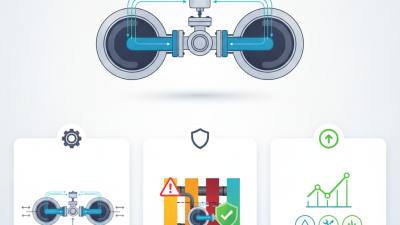
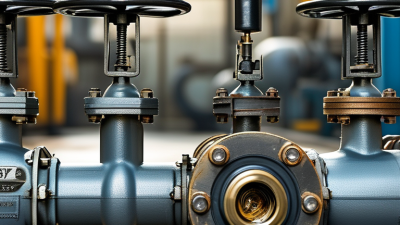
How Double Block and Bleed Valves Work

How Double Block and Bleed Valves Work

Double block and bleed valves isolate equipment from both upstream and downstream pressure. Two shutoff barriers close around the process line. A smaller bleed valve sits between them. When both barriers seal, trapped fluid remains inside the center cavity. Opening the bleed valve releases this pressure through a controlled outlet. Technicians can then confirm isolation before inspection or maintenance.

The process sounds simple. It is not always. Temperature changes can increase cavity pressure after closure. Sediment may also prevent a seat from sealing correctly. For this reason, operators check pressure indicators and observe the bleed outlet carefully.

A reliable supplier should provide pressure-test records, material traceability, and clear operating instructions. The correct valve also depends on pressure class, temperature, fluid type, and installation space.

Tips: Close the upstream valve before the downstream valve when procedures require it. Open the bleed slowly. Never assume zero pressure without verification. In field work, the weak point is often procedure, not the valve. A written isolation plan helps prevent overlooked pressure pockets. Suppliers should explain cavity relief, seat design, and testing methods in practical language. Some specifications still look complete, yet miss drainage, access, or maintenance details. Review them again.

Key Standards for Evaluating Chinese Valve Suppliers

When evaluating Chinese double block and bleed valve suppliers, standards should guide the decision, not attractive catalog photos. Confirm whether the supplier designs valves against recognized requirements, such as API 6D, ISO 14313, or applicable project specifications. The exact standard matters. A supplier may claim compliance while offering limited evidence.

Request pressure-test records for each production batch. These should identify the valve size, rating, test medium, pressure, and holding time. Ask for material certificates, preferably with heat numbers linked to body and trim components. On a factory visit, inspect machining areas, assembly benches, calibration labels, and storage conditions. Small details often reveal process discipline. A clean workshop helps, but it proves little alone.

Evaluate the supplier’s quality system through documented procedures, internal audits, and corrective-action records. Check whether critical dimensions receive inspection before assembly. Review sealing performance under realistic temperature and pressure conditions, including the bleed function. For demanding service, ask about fugitive-emission testing and non-destructive examination. Do not accept vague words like “premium quality.”

Experience deserves practical verification. Request references from comparable valve sizes, pressure classes, and operating media. Confirm delivery history, field failures, and response times. It is reasonable to ask difficult questions. Some suppliers may have excellent machining but weak documentation. Others may provide complete files yet lack long-term field experience. That difference can change project risk. My own evaluation would include a trial order, witnessed testing, and an independent document review. Even then, no checklist removes every uncertainty.

Key Standards for Evaluating Chinese Double Block and Bleed Valve Suppliers

The chart compares the publication or edition year of widely referenced standards used when reviewing valve design, pressure testing, quality management, and fugitive-emission control. These standards can be included in supplier qualification checklists without comparing individual companies or brands.

  • API 6D: Pipeline and piping valves, including design and manufacturing requirements.
  • API 598: Valve inspection and pressure-test requirements.
  • ISO 5208: Industrial valve pressure-testing and leakage-rate classification.
  • ISO 9001: Quality-management-system requirements for manufacturing organizations.
  • ISO 15848-1: Fugitive-emission type testing and production acceptance for industrial valves.

Reference sources: API Standards, ISO Online Browsing Platform, and published standard editions available through official standards organizations. Always confirm the latest applicable edition and project-specific requirements before procurement.

Leading China-Based Double Block and Bleed Valve Suppliers

China-based double block and bleed valve suppliers are attracting attention as energy, chemical, and pipeline projects demand safer isolation. The MarketsandMarkets Industrial Valves report estimates the global market will grow from about USD 78.7 billion in 2024 to USD 94.7 billion by 2029. This expansion increases interest in reliable Chinese manufacturing and export support.

A capable supplier should provide forged or cast bodies, documented material traceability, and pressure-test records. Double block and bleed designs isolate process media through two seating surfaces, while the bleed connection verifies cavity pressure. Buyers should request test evidence aligned with API 6D and leakage classification under ISO 5208. For corrosive service, alloy selection matters. Stainless steel, duplex steel, and nickel-based materials may suit different media and temperatures.

Details matter. Ask for heat-number records, dimensional reports, coating thickness, and actuator compatibility. A factory audit should examine machining areas, calibration labels, and final inspection routines. The IEA’s World Energy Investment 2024 report indicates global energy investment will exceed USD 3 trillion, supporting continued demand for dependable flow-control equipment.

Still, low pricing can hide weak documentation or inconsistent testing. A polished brochure proves little. I would compare sample certificates against valve markings and production records. That step is sometimes missed. Delivery capability also needs scrutiny, especially when custom pressure classes or short lead times are involved. The best China-based suppliers combine practical engineering support, transparent quality evidence, and stable manufacturing discipline. Supplier selection should remain technical, not promotional.

How to Select the Right Supplier for Your Project

China Top Double Block Bleed Valve Suppliers?

How to Select the Right Supplier for Your Project

Choosing a double block bleed valve supplier requires more than comparing prices. Start by matching the valve design with your project’s pressure, temperature, fluid, and installation space. Ask for material certificates, pressure-test records, dimensional drawings, and traceability documents. A reliable supplier should explain sealing performance, cavity relief, corrosion resistance, and maintenance access in practical terms. Avoid vague answers. They often create expensive problems later.

Tips: Request a sample inspection plan before placing an order. Check whether the supplier performs shell, seat, and functional tests on every valve. Review machining tolerances and coating details, especially for valves used offshore or in chemically aggressive service. Confirm manufacturing lead times, spare-part support, and the supplier’s response process for nonconforming products. Factory audits, video inspections, and recent project references can reveal more than a polished website.

Technical expertise matters, but communication matters too. Ask how the supplier handles design changes, inspection comments, and delivery delays. An experienced engineering team should identify risks before production begins. A low quotation may seem attractive, but it can hide weaker documentation or limited after-sales support. That mistake is easy to make. No checklist is perfect, so record every assumption in the purchase specification. Select the supplier that offers clear evidence, consistent quality, and realistic support throughout the valve’s service life.

China Top Double Block Bleed Valve Suppliers? - How to Select the Right Supplier for Your Project

Selection Dimension Recommended Project Benchmark Why It Matters Supplier Evidence to Request
Valve Configuration True double block and bleed design with two independent isolation barriers and an intermediate bleed or drain connection Allows the line section between the primary and secondary seats to be isolated and depressurized for maintenance or verification Sectional drawing, flow-path diagram, seat arrangement, and functional description
Applicable Valve Standard API 6D for pipeline and pipeline-service valves, where applicable; API 6D does not replace project-specific requirements Provides recognized requirements for design, manufacturing, testing, documentation, and marking of pipeline valves Valid certificates, standard edition, scope of certification, and technical compliance statement
Pressure Class ASME Class 150, 300, 600, 900, 1500, or 2500, selected according to design pressure, temperature, and piping specification Pressure class determines allowable pressure-temperature limits and flange or end-connection compatibility Pressure-temperature rating chart, design calculation, and dimensional drawing
Nominal Size Common project ranges include NPS ½ to NPS 24; larger sizes require project-specific engineering review Size affects flow capacity, actuator torque, weight, installation space, and delivery complexity General arrangement drawing, face-to-face dimensions, bore information, and shipping weight
Body and Trim Materials Carbon steel, low-temperature carbon steel, stainless steel, or alloy materials selected for the medium, temperature, pressure, and corrosion conditions Material selection affects mechanical strength, corrosion resistance, service temperature, and lifecycle cost Material specification, heat numbers, PMI records, MTRs, and corrosion allowance statement
Hydrostatic and Seat Testing Testing in accordance with the specified standard, commonly API 6D and API 598, with seat leakage acceptance defined by the purchase specification Confirms pressure boundary integrity and verifies the sealing performance of each isolation seat Approved test procedure, calibrated instrument records, pressure-holding time, and signed test reports
Double Block Verification Independent testing of both seats with monitoring of the cavity pressure or bleed connection, as required by the project specification Demonstrates that the two barriers function independently rather than acting as a single sealing point DBB test procedure, cavity-pressure test record, seat-leakage result, and test acceptance criteria
Bleed and Drain Arrangement Bleed, vent, or drain connection sized and located according to the process hazard review; common connections include threaded, socket-weld, or flanged ends Provides controlled cavity depressurization, leakage monitoring, sampling, or draining Connection size, material, rating, orientation, valve arrangement, and hazardous-area requirements
Fire-Safe Design API 607 for quarter-turn valves or API 6FA where applicable to the valve design and project specification Supports valve performance requirements during and after exposure to fire conditions Fire-test certificate, test standard and edition, valve model coverage, and fire-safe construction details
Emission Control ISO 15848-1 or project-defined fugitive-emission requirements for stem and body-joint sealing Reduces leakage of hazardous or volatile process media to the atmosphere Type-test certificate, leakage class, test temperature, test cycles, and packing specification
Sour-Service Compatibility NACE MR0175/ISO 15156 for equipment exposed to hydrogen sulfide in oil and gas production, when applicable Controls material susceptibility to sulfide stress cracking and other forms of hydrogen-related damage NACE compliance statement, material hardness data, heat-treatment records, and trim details
End Connections Raised-face, ring-type-joint, wafer, lug, butt-weld, or other connections matching the piping class and installation method Incorrect end dimensions or facing can prevent installation and create sealing or alignment problems ASME B16.5 or ASME B16.47 flange data, ASME B16.25 weld-end details, and dimensional inspection report
Actuation and Fail Position Manual, pneumatic, hydraulic, or electric actuation; fail-open or fail-closed position determined by process safety analysis Actuator sizing and fail action affect isolation reliability, emergency response, and operating torque Torque calculation, actuator datasheet, operating-speed requirement, control schematic, and position indication details
Quality Management Documented quality system, traceable inspection stages, controlled welding and heat-treatment processes, and calibrated measurement equipment Consistent manufacturing controls reduce dimensional, material, and testing defects Quality manual, inspection and test plan, calibration certificates, welding procedures, and nonconformance records
Inspection and Nondestructive Examination Visual, dimensional, hardness, PMI, radiographic, ultrasonic, magnetic-particle, or liquid-penetrant inspection according to the ITP Detects surface, internal, material-identification, and dimensional defects before shipment NDE procedures, personnel qualifications, inspection reports, acceptance criteria, and third-party inspection options
Documentation Package Drawings, data sheets, material certificates, inspection records, test reports, certificates, operation manuals, and spare-parts lists Complete documentation supports approval, commissioning, maintenance, and audit requirements Document register, sample manufacturing record book, submission schedule, and final dossier format
Delivery and After-Sales Support Lead time confirmed against material availability, testing scope, inspection requirements, quantity, and actuator integration A realistic schedule reduces procurement risk and helps coordinate installation and commissioning Manufacturing schedule, shipment milestones, warranty terms, spare-parts availability, service response time, and repair procedures
Note: The benchmarks above are general procurement guidelines. Final valve selection must be confirmed against the project piping class, process conditions, applicable codes, hazardous-area requirements, inspection plan, and end-user specifications.