The Ultimate Guide to Forged Ball Valves in China
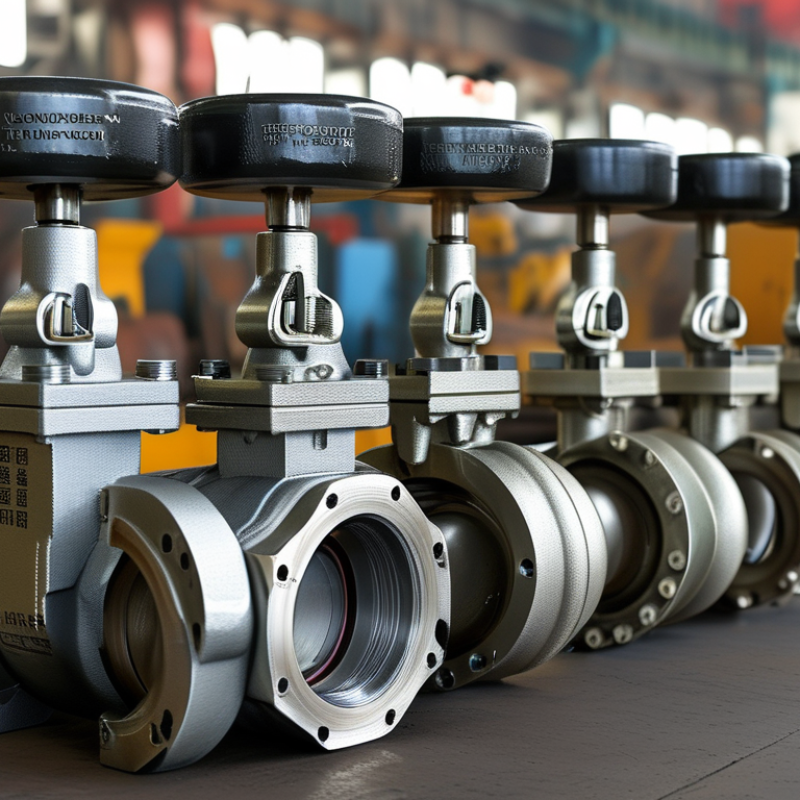
Forged Ball Valves are essential components in various industrial applications. Their strength and reliability make them popular in high-pressure situations. Many industries in China rely on these valves for their processes.
This guide delves into the intricacies of Forged Ball Valves. Understanding their manufacturing process is crucial. It involves using high-quality materials under precise conditions. The result is a product that can withstand harsh environments.
China's market for Forged Ball Valves is vast and competitive. Companies must navigate quality standards and certifications. Buyers often face challenges in selecting the right products. Awareness of these issues fosters smarter purchasing decisions. Embracing a critical view of available options can lead to better outcomes.
Understanding Forged Ball Valves: Definition and Characteristics
Forged ball valves are essential components in various industries. These valves are known for their durability and reliability. They are made from a single piece of metal, which enhances strength and reduces the risk of leaks. According to a recent industry report, the global forged valve market is projected to grow by over 5% annually, reflecting increasing demand in sectors like oil and gas.
Understanding the characteristics of forged ball valves is crucial for selecting the right type. They typically offer a full port design, facilitating better flow rates. Additionally, forged ball valves can withstand high pressure and temperature, making them suitable for severe environments. However, the manufacturing process is not without its challenges. Quality control is vital, as defects can lead to failures in critical applications.
Consider regular maintenance for optimal performance. An annual inspection can identify wear and tear early. This proactive approach can save costs and prevent failures. Ensure to choose valves that comply with recognized industry standards for safety and performance. Remember that not all forged valves are created equal; researching materials and specifications is key.
The Ultimate Guide to Forged Ball Valves in China
This chart represents the characteristics rating of forged ball valves based on various parameters commonly assessed in the industry. Each parameter is rated on a scale from 1 to 10, illustrating the performance and quality benchmarks of these valves in the Chinese market.
Key Materials Used in Forged Ball Valve Manufacturing in China
Forged ball valves are essential in various industries, particularly in oil and gas, water supply, and chemical processing. The quality of these valves relies heavily on the materials used in their manufacturing. In China, common materials include stainless steel, carbon steel, and alloy steel, which each offer unique benefits.
Stainless steel, particularly grades like 304 and 316, is favored for its corrosion resistance. According to industry reports, around 60% of forged ball valves are made from stainless steel. This material can withstand harsh environments, making it suitable for applications in chemical and food industries.
Carbon steel, while not as corrosion-resistant, provides exceptional strength and durability. Its cost-effectiveness has led to widespread use, particularly in water supply systems. Interestingly, some manufacturers are exploring new alloys to enhance performance and reduce costs. However, there remains a challenge in ensuring product consistency and quality across different factories. Reliability and standardization are ongoing concerns within the industry.
Market Analysis: Demand and Growth Trends for Forged Ball Valves in China
In recent years, the forged ball valve market in China has witnessed significant demand. Industrial growth, particularly in oil and gas, has fueled this trend. As companies expand their operations, the need for reliable valves increases. These components ensure efficient fluid control in critical applications.
Market analysis reveals that many manufacturers focus on quality and innovation. The demand for durable and high-performance valves continues to rise. However, challenges remain. Some manufacturers struggle with quality consistency and supply chain management. Addressing these issues is crucial for maintaining competitiveness.
The growth trend shows no signs of slowing down. However, the market must adapt to changes. Sustainability concerns are gaining traction as industries shift toward greener practices. This shift may reshape manufacturing processes and materials used. Producers must reflect on how to meet these evolving demands, ensuring they stay ahead in a competitive landscape.
The Ultimate Guide to Forged Ball Valves in China - Market Analysis
| Year |
Market Demand (Units) |
Market Growth (%) |
Key Industries |
| 2020 |
150,000 |
5.0 |
Oil & Gas, Power |
| 2021 |
160,000 |
6.5 |
Chemicals, Water Supply |
| 2022 |
175,000 |
8.0 |
Pharmaceuticals, Food & Beverages |
| 2023 |
190,000 |
9.5 |
Energy, Mining |
Quality Standards and Certifications for Forged Ball Valves in China
In China, the production of forged ball valves adheres to rigorous quality standards and certifications. These ensure the reliability and safety of the valves in various applications. The process involves strict inspections and adherence to international norms. A valve may pass initial checks but may still fall short in real-world conditions. Continuous monitoring is necessary.
Forged ball valves must meet specific certifications like ISO 9001 and API 608. These certifications signify that manufacturers follow best practices in quality management. However, compliance doesn’t guarantee flawless performance. The materials used and the manufacturing techniques play critical roles. Without thorough testing, even certified products can have hidden flaws.
Many manufacturers offer detailed documentation of compliance, yet there are discrepancies. Not all suppliers maintain the same level of quality in their production processes. Buyers should perform due diligence. Requesting third-party inspections can provide additional assurance. It's crucial to analyze not just the certifications but also the manufacturer’s track record in the industry. This reflection can prevent costly failures in the long run.
Future Outlook: Innovations and Technological Advances in Valve Design
The future of forged ball valves in China is being shaped by innovative designs and technological advancements. The global valve market is projected to reach USD 97.76 billion by 2027, growing at a CAGR of 5.2% from 2020. Such numbers reflect an increasing demand for efficient and durable valve solutions. In China, advanced manufacturing techniques, including precision forging, are enhancing performance and sustainability.
Recent trends indicate a shift towards smart valves integrated with IoT technology. These smart valves offer real-time monitoring and improved operational efficiency. By 2025, it is estimated that 30% of valve manufacturers will adopt IoT solutions. However, this shift requires careful consideration of cybersecurity risks. Connecting devices can expose vulnerabilities within industrial systems.
Furthermore, materials innovation plays a crucial role in valve design. High-performance alloys are becoming standard, improving resistance to corrosion and high temperatures. The need for environmentally friendly materials is also imperative. Some manufacturers are exploring bio-based polymers, which could reduce environmental impact. Yet, the challenge remains in balancing performance and sustainability, as some materials may not meet demanding industry standards.